Get your free personalized podcast brief
We scan new podcasts and send you the top 5 insights daily.
On strategically positions itself as a premium brand by investing heavily in innovation to justify its price, aiming to give everyone a better experience. This is contrasted with luxury brands that create value through exclusivity and limiting access.

Related Insights
Instead of lowering prices to capture a wider audience, Scarlet Chase embraces a high-end niche. The founder's philosophy is that diluting the product's quality for broader appeal is a mistake. The strategy is to deliver exceptional value to a focused group of customers who can afford and appreciate the investment.
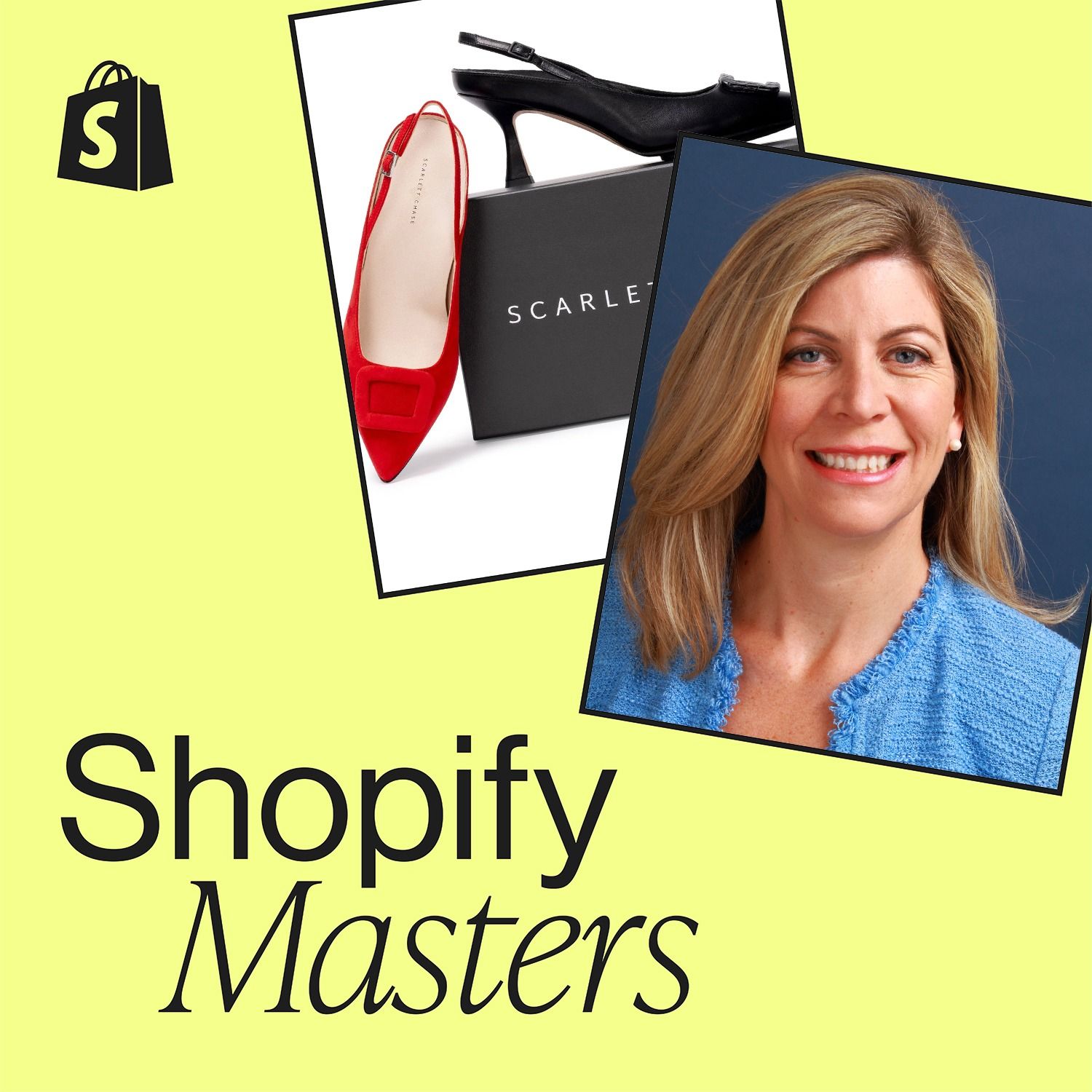
The founder reconciles the high price of her luxury shoes by positioning them as a solution that removes a major distraction for successful women. By eliminating foot pain, the shoes allow these high-impact individuals to focus their energy on more important work, making the product an investment in their overall effectiveness.
For luxury brands, raising prices is a strategic tool to enhance brand perception. Unlike mass-market goods where high prices deter buyers, in luxury, price hikes increase desirability and signal exclusivity. This reinforces the brand's elite status and makes it more coveted.
After a period of stagnation, Nike unveiled three futuristic products. While not immediately commercial, these "moonshots" serve to re-establish its innovation leadership, justify massive R&D spending, and create a brand halo that smaller competitors like On and Brooks cannot replicate.

Achieving a brand status that commands a premium price is not a short-term project. It demands years, often decades, of consistent messaging and marketing investment to build the necessary emotional connection with customers. Most companies lack the patience and long-term vision for this.

A brand is a powerful moat that makes a generic product unique in the customer's mind. For example, Revlon and a generic CVS-brand makeup can come from the same factory, but the Revlon brand commands a higher price, conversion rate, and customer loyalty.

On's co-founder identifies a societal shift from a "leisure class," focused on owning things, to a "movement class" that prioritizes experiences, vitality, and health. This change created a new market for brands like On that align with these modern values.
A strong brand transforms a commodity by pairing it with desirable traits like "winning" or "luxury." Customers pay a premium not for the physical item, but to acquire a small piece of that association for themselves. They exchange money to feel like a winner or part of an exclusive group.
Focusing marketing messaging on the experience and feeling of using a product makes customers less sensitive to its price. Conversely, focusing on discounts or cost makes them more price-conscious. Highlighting the experience allows for premium positioning.

A brand can make a generic product unique, commanding higher prices and loyalty. Products may come off the same manufacturing line as a generic store brand, but the brand itself allows for a price premium, higher conversion, and increased stickiness, effectively creating a moat where one didn't exist.