Get your free personalized podcast brief
We scan new podcasts and send you the top 5 insights daily.
Instead of competing on price, heritage brand Levi's drove an 8% sales jump by introducing its most expensive jeans ever—a premium Japanese denim line priced over $300. This successful premiumization strategy shows that even mass-market brands can fuel growth by targeting affluent consumers willing to pay more for perceived quality and exclusivity.

Related Insights
Despite a poor earnings report, the real story for Levi's is its successful diversification. The brand, synonymous with jeans, now generates nearly half of its sales from tops. This shift from a single-product identity is a crucial, though less visible, strategy for how legacy brands can adapt and remain relevant in modern retail.

Contrary to the typical dynamic of pressuring suppliers to lower costs, Target encouraged e.l.f. to introduce a higher-priced product line ("e.l.f. Studio" at $3). This strategy aimed to increase the brand's average sales per linear foot.

Instead of discounting its $3,000 trench coat, Burberry is driving growth by elevating its $300 scarf into a 'hero product' with dedicated 'Scarf Bars.' This tactic engages aspirational but price-sensitive consumers without devaluing the core brand.
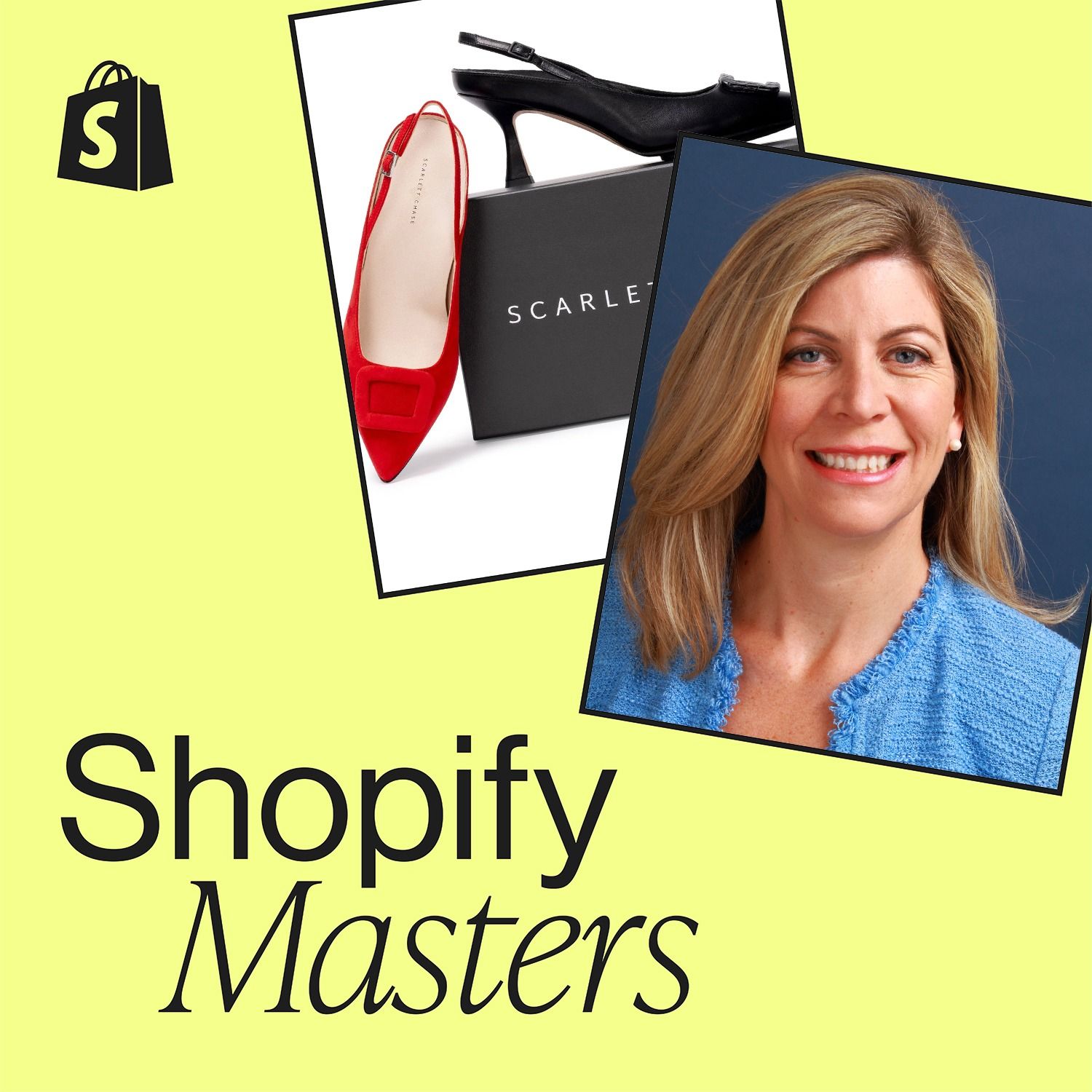
Instead of lowering prices to capture a wider audience, Scarlet Chase embraces a high-end niche. The founder's philosophy is that diluting the product's quality for broader appeal is a mistake. The strategy is to deliver exceptional value to a focused group of customers who can afford and appreciate the investment.
For luxury brands, raising prices is a strategic tool to enhance brand perception. Unlike mass-market goods where high prices deter buyers, in luxury, price hikes increase desirability and signal exclusivity. This reinforces the brand's elite status and makes it more coveted.
For mass-market brands in India, premiumization is a gradual process. Instead of trying to convert a consumer from a ₹10 product to a ₹200 one, the successful strategy is to create a slightly better, slightly more expensive version (e.g., ₹15). This incremental approach is more effective than trying to force a large jump in price point.

To jump from $6.5B to $10B, Levi's leadership believes its brand equity is significantly larger than its current revenue. This mindset, learned from high-growth companies like Snap and Elf, fuels an audacious "make no small plans" strategy essential for dramatic growth.

Levi's is launching a premium denim line using a blue tab instead of its iconic red one. This simple visual change serves as a powerful status signal, allowing consumers to publicly display that they've purchased the more expensive, exclusive version of the product, creating a new tier within the brand's ecosystem.
When a new KFC premium product wasn't selling, they doubled the price instead of discounting it. This aligned the price with consumer expectations for a premium item, signaling quality and causing sales to soar. Low prices can imply low quality for high-end goods.

The fashion industry, which usually relies on a single dominant trend, is now seeing multiple jean styles (skinny, baggy, wide) trend simultaneously. This "deregulated era" is a boon for brands like Levi's, who can sell a diverse portfolio of fits to the same customer, boosting overall sales.
