Get your free personalized podcast brief
We scan new podcasts and send you the top 5 insights daily.
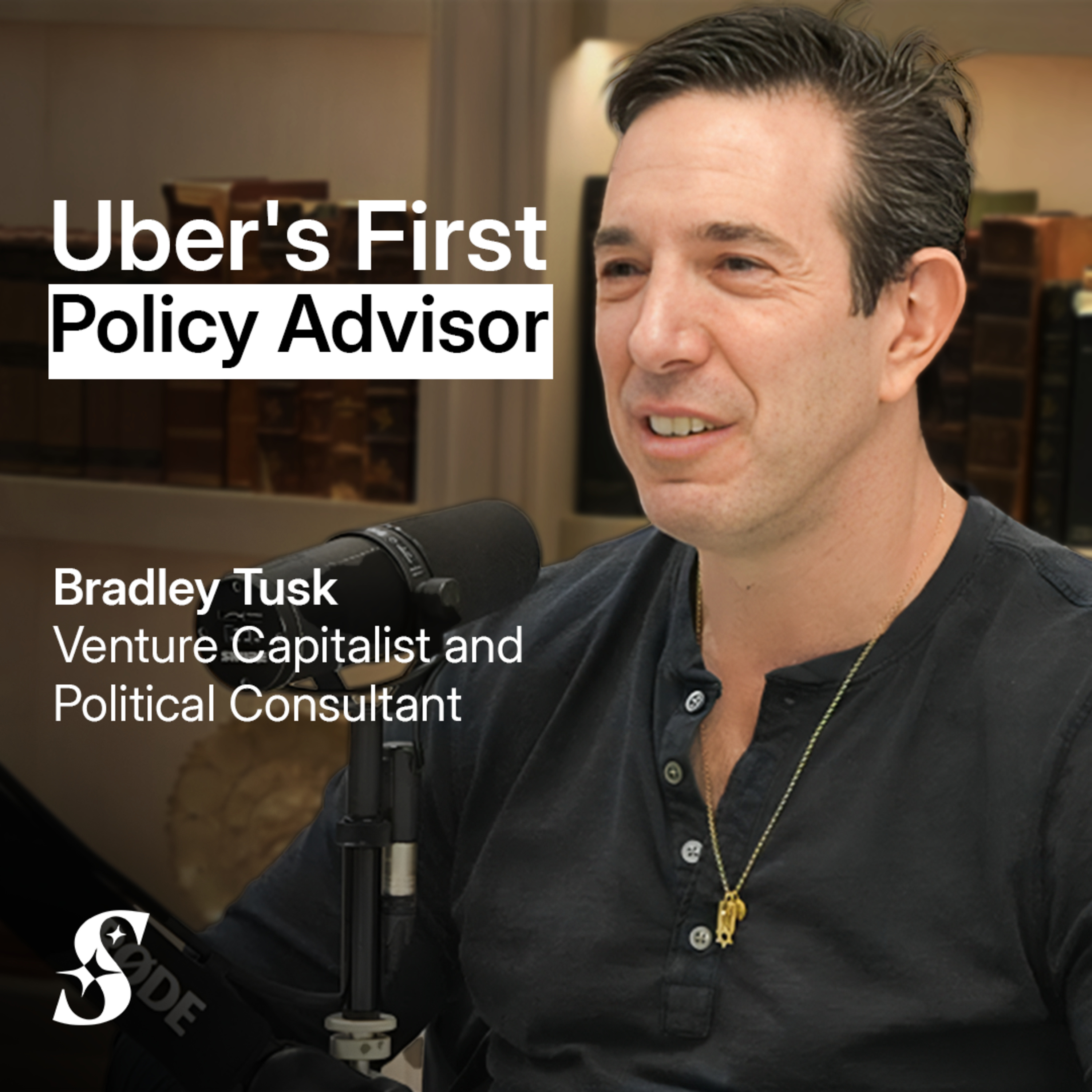
Veteran advisor Bradley Tusk argues that successful startup lobbying is not about technology's merits, but about a politician's self-interest. The key is to demonstrate how approving the startup's agenda helps a politician win their next election, or how blocking it will hurt their chances.

Related Insights
In heavily regulated or legally ambiguous industries, a founder's most valuable asset can be political connections. One startup literally used a pitch deck slide showing its co-founder with prominent politicians to signal their ability to influence future legislation in their favor. This represents a stark, real-world "crony capitalism" business strategy.

As described by Microsoft's President, corporate political donations are the "entry ticket" to the retreats and dinners where politicians spend their time. The check doesn't buy a specific policy outcome but provides the consistent access needed to build influential relationships.

The current political and regulatory environment means running a biotech company is no longer just about science and capital. CEOs must now actively engage in policy discussions and lobby legislators to ensure the ecosystem remains favorable for innovation. Ignoring politics is no longer an option.

Luckey reveals that Anduril prioritized institutional engagement over engineering in its early days, initially hiring more lawyers and lobbyists. The biggest challenge wasn't building the technology, but convincing the Department of Defense and political stakeholders to believe in a new procurement model, proving that shaping the system is a prerequisite for success.
![Palmer Luckey - Inventing the Future of Defense - [Invest Like the Best, CLASSICS] thumbnail](https://megaphone.imgix.net/podcasts/f7c9aa8e-cb8d-11f0-828e-0b281809c10a/image/cc07f91ec47f95abbde771a4956b37b7.jpg?ixlib=rails-4.3.1&max-w=3000&max-h=3000&fit=crop&auto=format,compress)
Bradley Tusk, known for his work with Uber, advises startups to focus their regulatory efforts on state and local governments. He argues that achieving federal-level change is akin to a miracle. In contrast, states offer 50 different opportunities to pass favorable legislation, establish precedent, and build momentum for broader change.

A regulator who approves a new technology that fails faces immense public backlash and career ruin. Conversely, they receive little glory for a success. This asymmetric risk profile creates a powerful incentive to deny or delay new innovations, preserving the status quo regardless of potential benefits.

The controversy over OpenAI seeking government loan guarantees highlights a key founder responsibility: maximizing shareholder value by securing any available public funds, even if it creates poor optics. Lobbying for handouts is framed as a strategic best practice, not a moral failing.

Dubbed "Travis's Law," Uber's core political innovation was turning its passionate customer base into a powerful lobbying force. By building advocacy tools directly into their product, startups can mobilize users to defeat powerful, entrenched incumbents in regulated industries.
Instead of seeking permission, Uber launched first to demonstrate its superior service. When regulators tried to shut them down, the company leveraged its loyal customer base to create overwhelming public and political pressure, effectively making users its most powerful lobby.

By first helping government agencies craft regulations, a startup gains deep expertise and credibility. This naturally leads to high-value inbound interest from private sector firms needing help complying with those same regulations, creating a powerful two-sided market flywheel with built-in demand.
