Get your free personalized podcast brief
We scan new podcasts and send you the top 5 insights daily.
If your habitual approaches to relationships consistently fail, the solution is to do the opposite of what feels comfortable. This discomfort is a sign you are breaking a non-productive cycle, whether in communication, dating, or setting social plans.

Related Insights
Suggesting a weekly ritual of sharing positives and areas for improvement can trigger a partner's deepest fear: that if their true self is known, they won't be loved. This discomfort avoidance is a major relationship obstacle.

Relationship satisfaction can be improved with small cognitive shifts called "love hacks." These involve changing one's internal narrative rather than external realities, such as adopting a "growth mindset" about compatibility or reinterpreting a partner's negative behavior more charitably (e.g., as situational rather than characterological).

Insisting a partner must change for you to be happy creates a state of "self-justifying passivity." You become trapped waiting for them, rather than reclaiming your power to improve the relationship by being the one who moves first towards understanding.
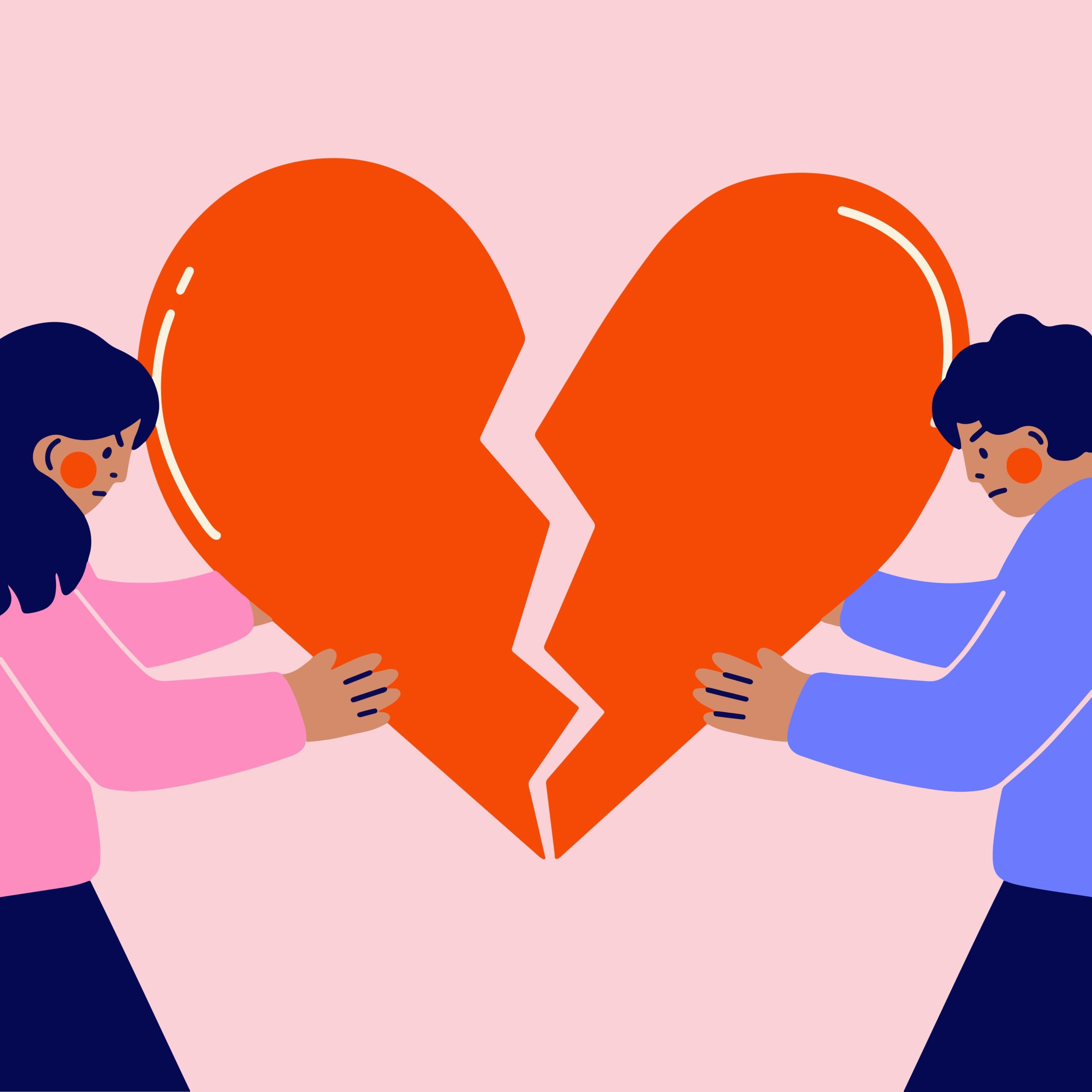
Psychologist James Cordova describes the "paradox of acceptance": the less you actively try to change your partner, the more willing they become to change. This requires genuine surrender, as feigning acceptance with the ulterior motive of instigating change is transparent and ineffective.

A profound personal unlock involves shifting from a transactional, "scorecard" approach in relationships to an intentional one. Instead of tracking give-and-take, decide the kind of person you want to be (e.g., a generous partner) and hold yourself to that standard unilaterally. This fosters healthier connections.

Contrary to popular belief, a degree of pessimism is a useful tool for building resilient relationships. Expecting a partner to be imperfect, frustrating, and disappointing at times creates a stronger foundation than entering a relationship with idealized, fragile expectations.

In a world hyper-optimized for convenience and efficiency, true romance is a disruptive force. It defies schedules, logic, and productivity. If a relationship fits perfectly into a pre-planned life without causing any friction or spontaneity, it may be lacking the essential, inconvenient spark of passion.

Conflict avoidance is not a sign of a healthy relationship. True intimacy is built through cycles of 'rupture and repair,' where disagreements are used as opportunities for deeper understanding. A relationship without conflict may be fragile, as its ability to repair has never been tested.
Success in relationships isn't just about picking the right partner. It's about consciously choosing which "you" shows up. If you bring your transactional, score-keeping persona to your relationship, it will fail. You must intentionally select your best, most generous self.

The root cause of most relationship issues is not the other person, but your own inability to handle difficult emotions like stress, disappointment, or hurt. Instead of processing these feelings internally, you expel them onto your partner through blame, a harsh tone, or withdrawal. Healing begins with regulating your own emotional state.