Get your free personalized podcast brief
We scan new podcasts and send you the top 5 insights daily.
The global maritime and trade architecture depends upon credible American deterrence at critical global chokepoints. If the United States ceases policing international transit corridors, vulnerable allies and powers will seek their own nuclear weapons for survival.

Related Insights
The reluctance of U.S. allies to develop a 'Plan B' is not from ignorance but from the sheer difficulty of the alternative. For 80 years, the U.S. security guarantee was a 'good deal' that allowed allies to focus on economic growth. Accepting its demise means undertaking painful, costly, and risky actions like massive defense buildups and nuclearization, a conclusion they would rather avoid.
The US's failure to deter Russia in Ukraine or swiftly reopen the Strait of Hormuz signals a decline in its role as the global peacekeeper. This perceived weakness encourages adversaries to challenge US interests, leading to a more chaotic and unstable world order.

The world is observing two key events: Ukraine was attacked *after* giving up its nuclear arsenal, and Iran was attacked while *pursuing* one. Analyst Fiona Hill argues this creates a powerful incentive for nations to acquire nuclear weapons as the sole guarantor of sovereignty, potentially triggering widespread proliferation.
Post-Cold War globalization and its resulting just-in-time supply chains relied on the implicit security of maritime choke points, a role largely guaranteed by the US Navy. As regional conflicts rise and US commitment becomes uncertain, this foundational assumption of safe passage is collapsing, forcing a reassessment of global trade.

The US has long used the threat of military force to keep the Strait of Hormuz open. By failing to act despite a large naval presence, it has revealed this deterrent is hollow. This hands Iran a proven economic weapon and erodes the credibility of US power projection globally.

With the New START treaty gone and doubts about America's commitment to "extended deterrence," especially under Donald Trump, allies in Europe and Asia are debating acquiring their own nuclear weapons. This could lead to a dangerous proliferation free-for-all, increasing the risk of preemptive strikes.
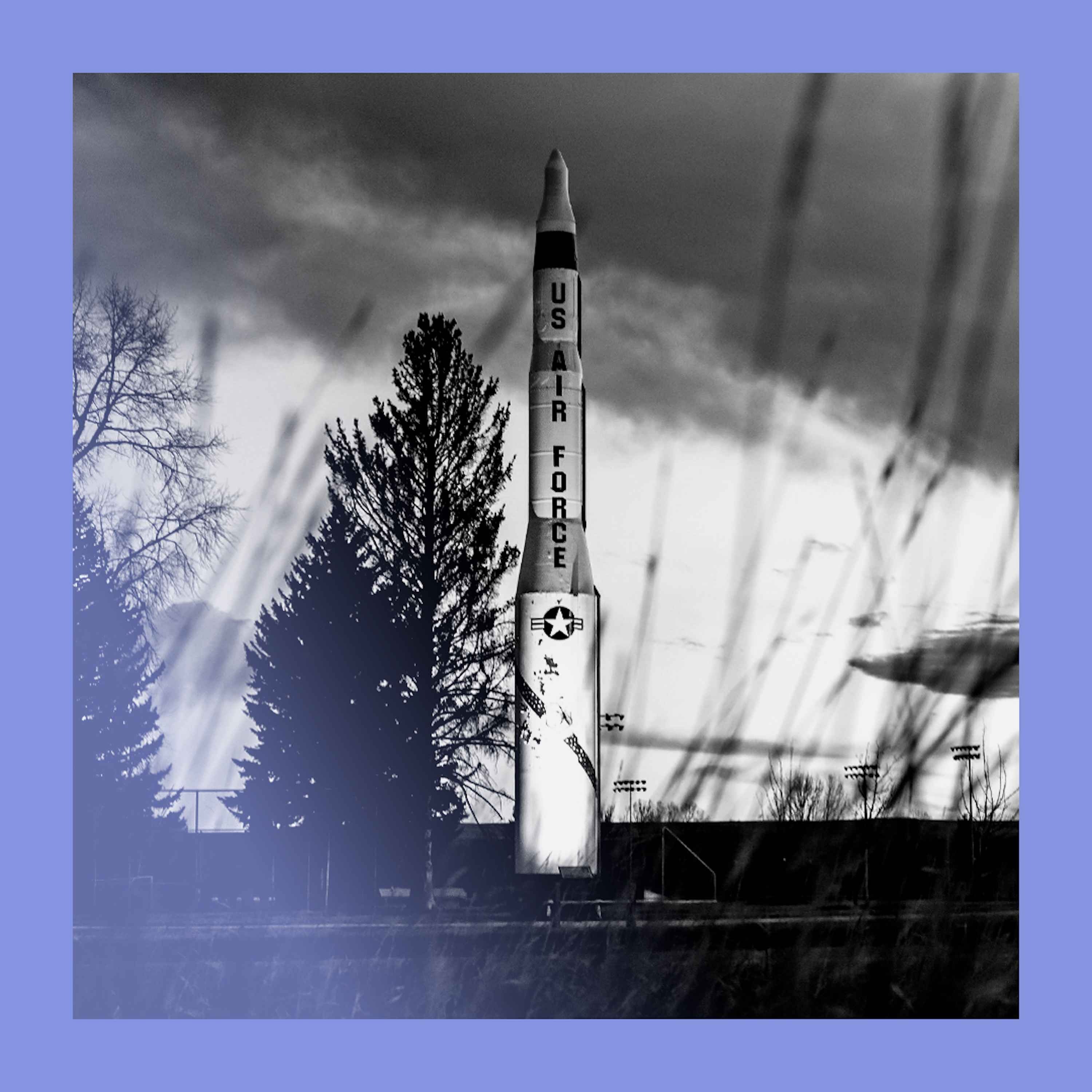
The current geopolitical landscape shows that nations with nuclear weapons can act with impunity, while non-nuclear nations are vulnerable. The West's hesitant support for Ukraine reinforces this lesson, creating a rational incentive for smaller countries to pursue their own nuclear deterrents, risking dangerous proliferation.

European rhetoric about 'strategic autonomy' is ultimately hollow. For decades, Europe's security has been guaranteed by the U.S. nuclear umbrella, a public good it cannot afford or politically agree to replicate. This fundamental dependency ensures Europe cannot truly break from U.S. foreign policy, regardless of leadership style.

Allies like Europe and Latin America no longer trust the US as a stable partner, forcing them to build their own defense and trade systems independent of America. This loss of trust creates a long-term economic threat that a single 'reasonable' election cannot easily reverse.

Facing a potential US pullback and rising Chinese aggression, Japan's leadership is reportedly questioning its long-held "three non-nuclear principles." This signals a major strategic shift, potentially aiming to allow US nuclear vessels in its ports to establish a credible, independent deterrent against China.