Get your free personalized podcast brief
We scan new podcasts and send you the top 5 insights daily.
Vance argues Trump's pragmatic approach makes previously unimaginable foreign policy scenarios possible. For example, offering Iran economic prosperity for abandoning its nuclear program is a deal no traditional Democrat or Republican administration would consider, breaking decades of established policy.

Related Insights
Beyond the short-term political calculus of avoiding an unpopular war, President Trump's motivation for a deal with Iran is deeply rooted in legacy-building. He seeks to be the president who fundamentally reshapes the US-Iran relationship, a historic diplomatic achievement that provides a powerful personal incentive for resolution.
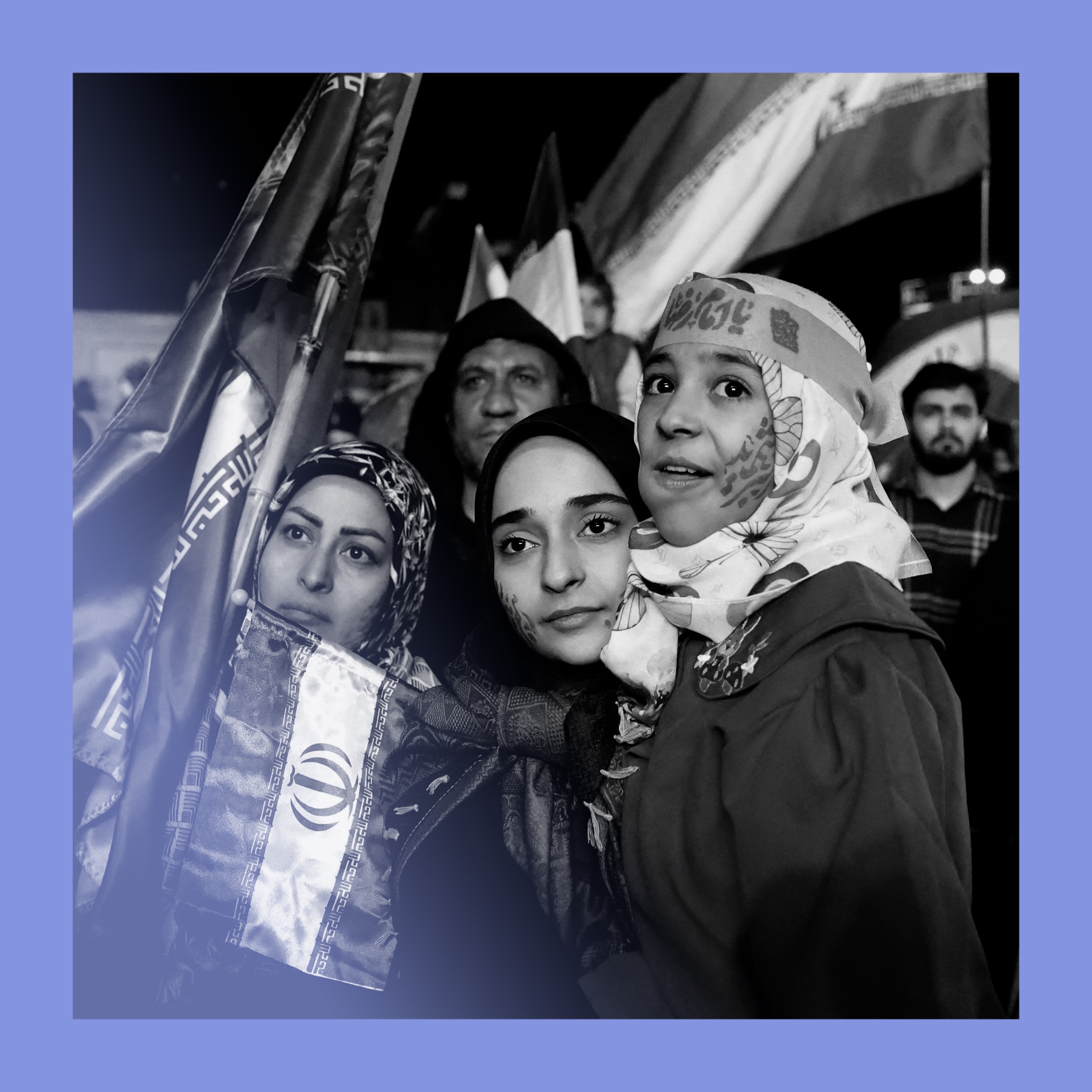
Despite the largest military deployment in 20 years, President Trump's goal is not necessarily conflict. He would rather use the credible threat of force as leverage to secure a diplomatic deal with Iran, providing him an "off-ramp" from his aggressive posturing.

The public threats of a military strike against Iran may be a high-stakes negotiating tactic, consistent with Trump's style of creating chaos before seeking a deal. The goal is likely not war, which would be politically damaging, but to force Iran into economic concessions or a new agreement on US terms.

A viable nuclear deal with Iran exists, structurally similar to the JCPOA. The primary barrier is not substance, but a clash of styles. Trump needs to publicly "win" and show he made Iran concede, while Iran's leadership culture cannot accept any deal that smacks of public surrender.

Instead of traditional regime change, current U.S. strategy focuses on 'conversion.' This involves creating such favorable economic and diplomatic conditions for adversaries that abandoning hostile ideologies becomes their only rational choice.
By bringing top CEOs like Elon Musk and Tim Cook to China, Trump employed "dollar diplomacy" to show economic respect and acknowledge China as a peer, a crucial tactic for negotiating with leaders like Xi Jinping.

The latest U.S. National Security Strategy drops confrontational rhetoric about China as an ideological threat, instead framing the relationship around economic rivalry and rebalancing. This shift prioritizes tangible deals over promoting American values globally, marking a departure from Reagan-era foreign policy.

By cutting a pragmatic deal to stay in power after Maduro's removal, Delcy Rodriguez demonstrated to other Latin American leaders that anyone can partner with Trump. Her success has established a new model: cooperate to gain benefits and avoid the high costs of defiance, shifting the strategic calculus for leaders across the region.

A core element of Trump's worldview is the belief that global affairs can be managed through personal relationships and deals between powerful leaders, bypassing institutions. This 'great power condominium' approach explains his attempts to charm leaders like Putin and Xi, believing his personal diplomacy can resolve complex structural issues.
The Trump administration's stated goals for a new deal, including a commitment from Iran not to develop nuclear weapons and allowing inspections, are identical to the provisions of the JCPOA. This makes the current conflict an absurdly ironic path to potentially achieving a slightly different version of the agreement Trump dismantled.
