Get your free personalized podcast brief
We scan new podcasts and send you the top 5 insights daily.
Instead of traditional regime change, current U.S. strategy focuses on 'conversion.' This involves creating such favorable economic and diplomatic conditions for adversaries that abandoning hostile ideologies becomes their only rational choice.

Related Insights
Russia's offer to re-embrace the dollar is not merely an economic concession but a strategic maneuver. It's designed to appeal to a potential Trump administration by offering a clear win for the U.S., aiming to shift American foreign policy away from its current confrontational posture toward Moscow.

The era of a strong, passive dollar designed to attract foreign capital is over. The US now actively manipulates the dollar's value to suit strategic needs, rewarding allies and punishing enemies. The currency has been drafted into foreign policy as a tool of statecraft, moving from a stable 'King' to an active 'General'.

Encouraging members of an authoritarian society to defect is futile without a clear alternative. People do not simply defect *from* a regime; they must have something credible to defect *to*. The failure to provide a viable political destination is a critical weakness in many U.S. foreign policy efforts.

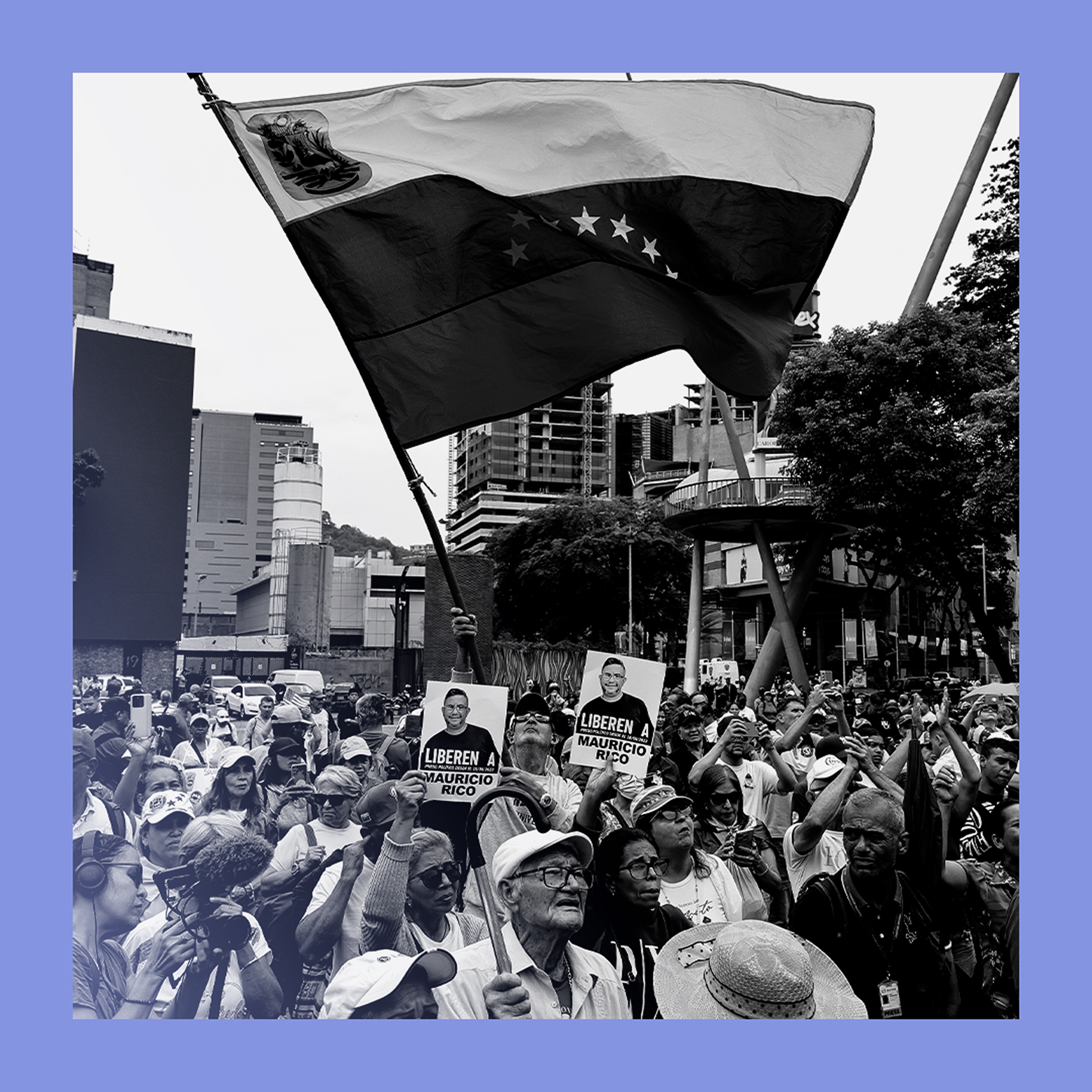
The U.S. action in Venezuela should be viewed as 'regime alteration.' Unlike the failed Iraq strategy of dismantling a state, this was a targeted move to swap a leader aligned with China and Russia for one answerable to the U.S. It’s a pragmatic assertion of influence, not an idealistic attempt at democratization.

Beyond geopolitics, transforming Iran into a stable, pro-West trading partner could unlock vast oil and gas reserves and unleash entrepreneurial talent. This would stabilize global energy prices, providing an economic upside that is a powerful, often overlooked, aspect of the conflict.

Instead of pursuing overt regime change or democracy promotion, a more effective U.S. policy is 'political deterrence.' This involves exploiting the inherent rivalries and disaffection within authoritarian regimes to throw them off balance, creating leverage for negotiations from a position of strength.
In post-Maduro Venezuela, American pressure is primarily focused on liberalizing the economy for foreign investment, especially in oil. While this has resulted in some political shifts, the overwhelming priority is economic access for American interests, demonstrating a pragmatic rather than purely ideological approach to nation-building.
Instead of direct military intervention, a modern strategy involves crippling a nation's economy and military so severely that the regime deteriorates from internal pressure. This approach aims to force a collapse without committing ground troops, which is politically unpopular.
The latest U.S. National Security Strategy drops confrontational rhetoric about China as an ideological threat, instead framing the relationship around economic rivalry and rebalancing. This shift prioritizes tangible deals over promoting American values globally, marking a departure from Reagan-era foreign policy.

Despite rhetoric supporting protesters in Iran and Venezuela, the Trump administration's actions suggest a preference for replacing existing leaders with more compliant strongmen. In Venezuela, this meant dealing with Maduro's VP, indicating a pragmatic focus on control and stability over messy, long-term nation-building.