Get your free personalized podcast brief
We scan new podcasts and send you the top 5 insights daily.
EQT leverages a 'Nordic' culture emphasizing informality, transparency, and a lack of hierarchy. This appeals to professionals seeking an alternative to the sharp-elbowed, 'typical dealmaker' environment prevalent in many top-tier financial firms, creating a competitive advantage in talent acquisition.

Related Insights
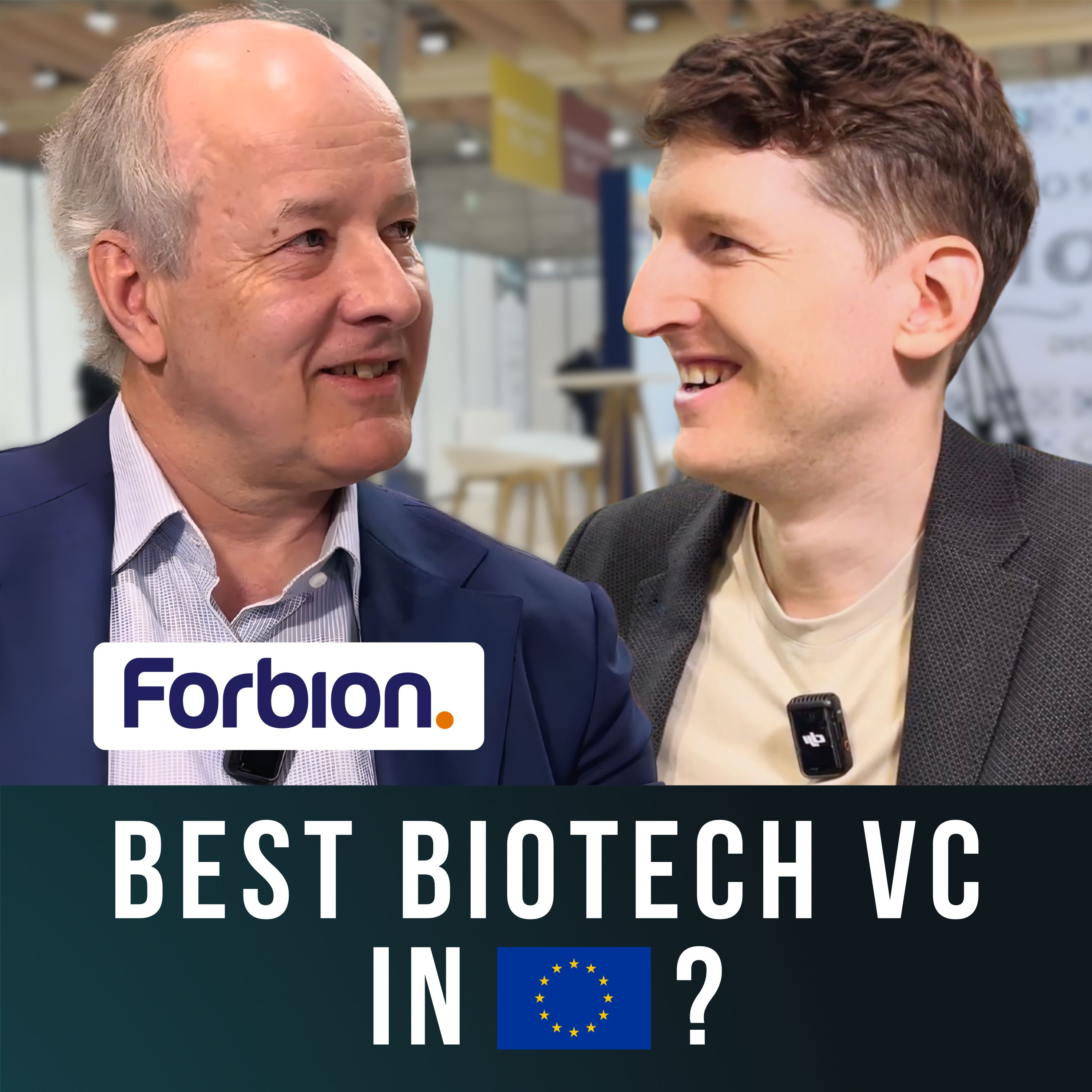
Forbion's internal culture is modeled on Dutch collectivism, where hierarchy is downplayed. In deal flow meetings, everyone from junior analysts to senior partners is encouraged to contribute. This prevents a "prima donna" culture and ensures decisions are based on pooled intelligence, not individual deal-makers.
Bending Spoons views its company as its most important product, engineered to be the ideal place for the world's best inexperienced talent. The goal is to create an institution that acts as the ultimate training ground, enabling high-potential individuals to skyrocket their careers.
![Luca Ferrari - Building Bending Spoons - [Invest Like the Best, EP.446] thumbnail](https://megaphone.imgix.net/podcasts/b29cbd80-b93a-11f0-a1b7-2b977c9469a2/image/39f7864ea628f71a81b94662bd4a86df.jpg?ixlib=rails-4.3.1&max-w=3000&max-h=3000&fit=crop&auto=format,compress)
Golden intentionally defines and maintains its culture, which acts as a recruiting magnet for highly aligned talent. This 'gravitational pull' attracts unusually skilled subject matter experts who are already motivated to do this specific work, making culture a primary tool for acquiring top-tier employees who are a natural fit.
Instead of creating a broadly appealing culture, build one that is intensely attractive to a tiny, specific niche (e.g., "we wear suits and use Windows"). This polarization repels most people but creates an incredibly strong, cohesive team from the few who are deeply drawn to it.

Culture is a strategic tool, not just a set of values. It must be designed to reinforce your specific competitive moat. Amazon’s frugal culture supports its low-price leadership, while Apple's design-obsessed culture supports its premium brand.

Despite massive growth, Apollo preserves its culture by having senior partners work physically among the teams, not on an executive floor. This proximity encourages "casual collisions" in common areas, ensuring cultural values and open communication are maintained during rapid scaling.

EQT's European origins provided an advantage in Asia. Having experience navigating diverse cultures across Europe (e.g., Nordics vs. Germany), they had a heightened appreciation for the distinct cultural nuances between Asian markets like Japan, India, and China.
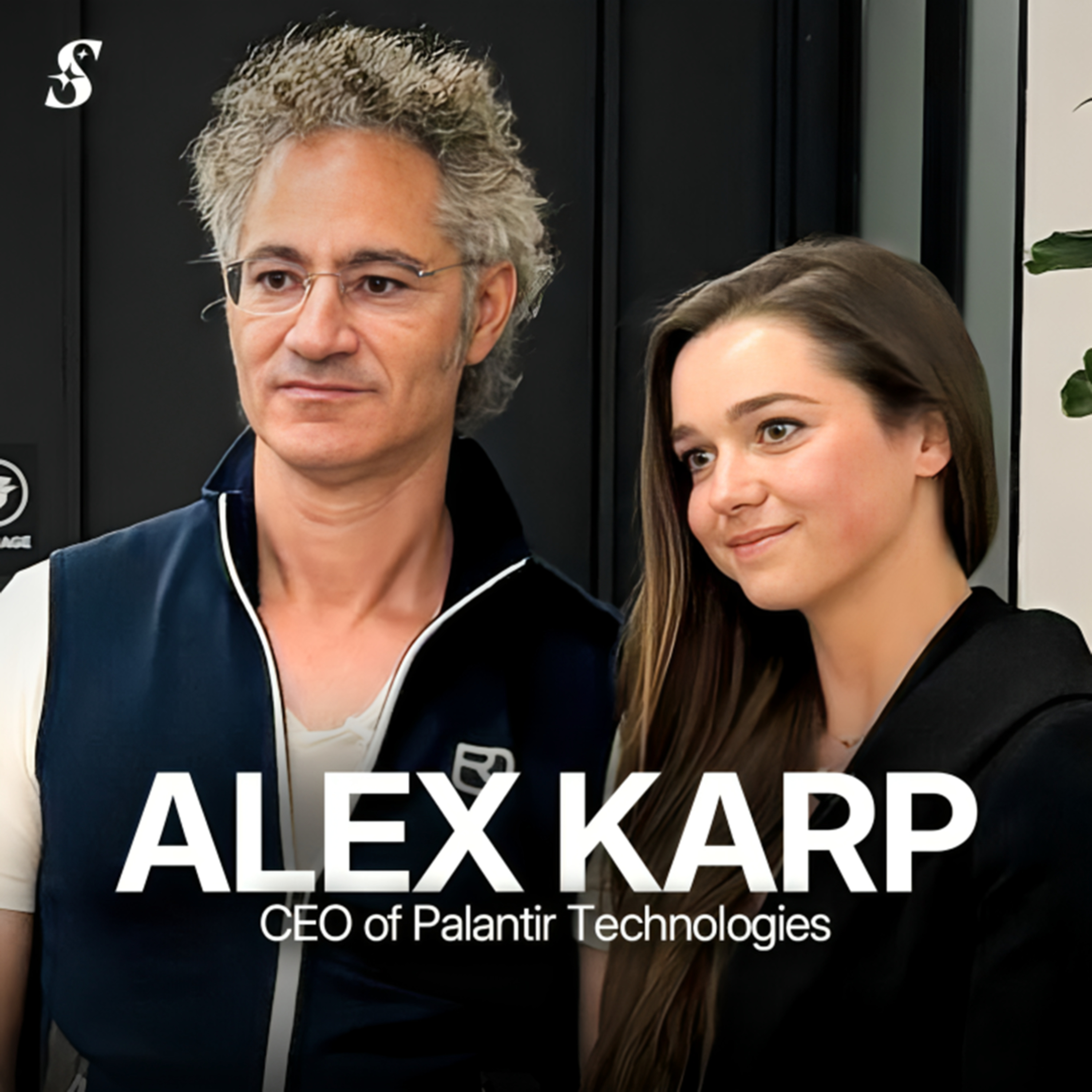
Palantir's success stems from its "anti-playbook" culture. It maintains a flat, meritocratic structure that feels like a startup despite its size. This environment fosters original thinking and rewards those who excel outside of rigid, conventional frameworks, turning traditionally undervalued traits into strengths.
Unlike hierarchical firms, Benchmark's equal partnership model provides a competitive edge. It simplifies recruiting top talent from other firms, fosters intense internal collaboration since all partners share equally in success, and removes time-wasting internal politics around compensation.

The high concentration of successful serial acquirers in the Nordics is attributed to a culture of transparency and non-hierarchical management. This flat structure makes it easier to acquire and empower founder-led businesses, fostering autonomy over rigid, top-down corporate control.
