Get your free personalized podcast brief
We scan new podcasts and send you the top 5 insights daily.
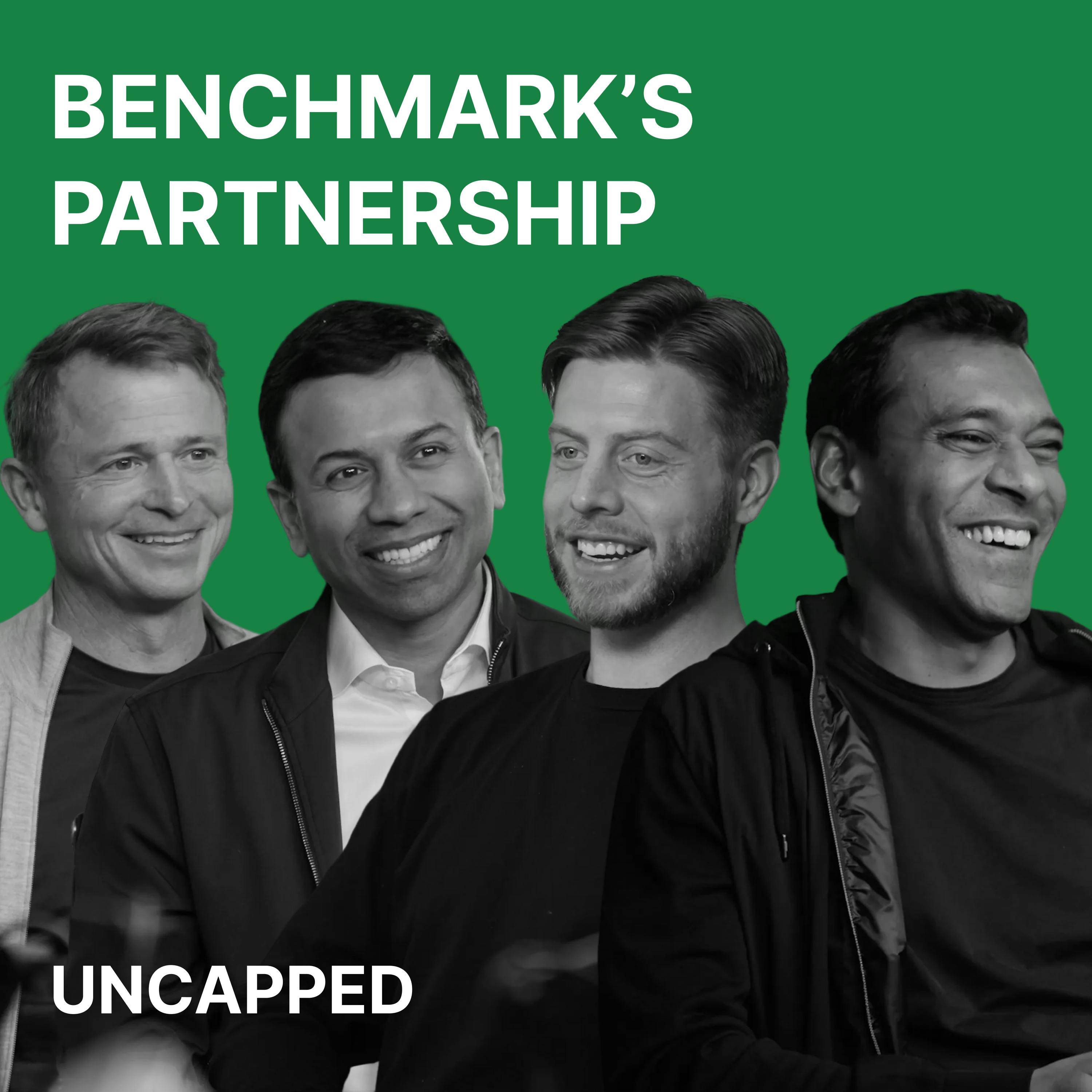
Unlike hierarchical firms, Benchmark's equal partnership model provides a competitive edge. It simplifies recruiting top talent from other firms, fosters intense internal collaboration since all partners share equally in success, and removes time-wasting internal politics around compensation.

Related Insights
Top partners are not just trying to hire scarce talent; they are intentionally forming partnerships with specialized organizations. This strategy allows them to augment their in-house skills, expand offerings, and move faster without being solely constrained by talent availability, treating the ecosystem as a solution to operational challenges.

To ensure genuine collaboration across funds, Centerbridge structures compensation so a "substantial minority" of an individual's pay comes from other areas of the firm. This economic incentive forces a firm-wide perspective and makes being "part of one team" a financial reality, not just a cultural slogan.

New partners receive equal ownership from day one, with no residual economics for departing founders. This unique structure creates a powerful sense of responsibility to pay it forward to the next generation, making the handover of the firm the seminal cultural moment.
Greylock measures partner contribution by whether they were "causally impactful" to a successful investment, rather than just who sourced it. This model incentivizes deep collaboration, such as building a prepared mind, helping win a deal, or adding critical value post-investment.

By compensating employees based on firm-wide results, Goldman's partnership culture turns every employee into a risk manager. This structure incentivizes people to scrutinize activities outside their own silo, creating a robust, decentralized system of checks and balances that protects the entire firm.

Structuring compensation around a single, firm-wide P&L, rather than individual deal performance, eliminates internal competition. It forces a culture of true collaboration, as everyone's success is tied together. The system is maintained as a meritocracy by removing underperformers from the 'boat.'
![Martín Escobari - Inside General Atlantic - [Invest Like the Best, EP.449] thumbnail](https://megaphone.imgix.net/podcasts/90e6e3e6-c984-11f0-ae5f-27bb851bdc56/image/608fac468f77cb3014e96336896d96de.jpg?ixlib=rails-4.3.1&max-w=3000&max-h=3000&fit=crop&auto=format,compress)
Benchmark's unconventional structure, where all partners have equal equity and power, aligns incentives for collaboration. Instead of the 'sharp elbow' culture of hierarchical firms, this model ensures senior partners are motivated to mentor and support junior members, as everyone shares equally in their success.

Benchmark intentionally remains a small firm with a small capital base. They acknowledge this isn't the most financially lucrative strategy for the partners but believe it maximizes their professional happiness and ensures deep, aligned partnerships with early-stage founders.
To avoid losing its "partnership culture" after going public, Goldman Sachs deliberately maintained key mechanisms like partner elections and compensation tied heavily to overall firm performance, not just individual silos. This fostered a sense of collective ownership and long-term commitment.

Triton rejects a hierarchy where only deal-makers are partners. They extend partnership and carried interest to functions like Investor Relations and operational units. This fosters an egalitarian "one team" culture and ensures long-term alignment, recognizing these functions are strategic, not administrative.
