Get your free personalized podcast brief
We scan new podcasts and send you the top 5 insights daily.
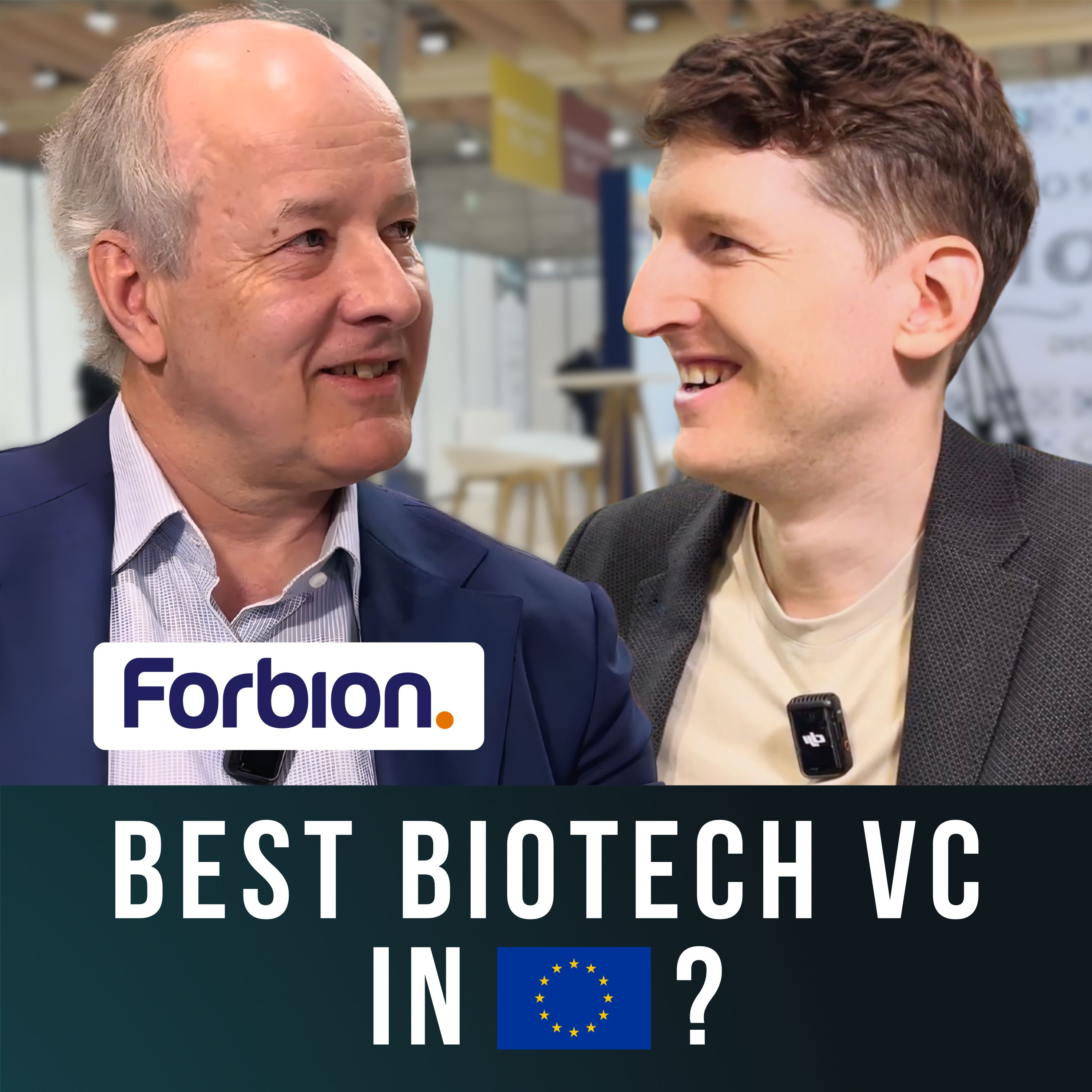
Forbion's internal culture is modeled on Dutch collectivism, where hierarchy is downplayed. In deal flow meetings, everyone from junior analysts to senior partners is encouraged to contribute. This prevents a "prima donna" culture and ensures decisions are based on pooled intelligence, not individual deal-makers.
Related Insights
Mike Dustar describes Novo Nordisk's Scandinavian culture as inherently inclusive, a positive trait long before D&I became a corporate focus. However, this consensus-driven approach can slow down decision-making by requiring consolidation of numerous opinions, a potential liability in a fast-moving industry.

To ensure genuine collaboration across funds, Centerbridge structures compensation so a "substantial minority" of an individual's pay comes from other areas of the firm. This economic incentive forces a firm-wide perspective and makes being "part of one team" a financial reality, not just a cultural slogan.

DoorDash uses the value "One Team, One Fight" to define everyone's job as "helping the customer win," irrespective of job title. This fosters a culture of high accountability for the end result while simultaneously ensuring low blame, as everyone shares responsibility when problems arise.
In VCU's investment process, the entire team participates in underwriting and meets managers. This shared ownership model encourages bolder, higher-conviction bets because the responsibility is collective, reducing the fear of individual failure and career risk for junior members.
To maintain an "ownership culture" in a large public company, leaders must treat key employees like partners. This means floating ideas, gathering reactions, adjusting plans, and sometimes postponing actions—a slower, more collaborative process than a typical top-down corporate hierarchy.

By compensating employees based on firm-wide results, Goldman's partnership culture turns every employee into a risk manager. This structure incentivizes people to scrutinize activities outside their own silo, creating a robust, decentralized system of checks and balances that protects the entire firm.

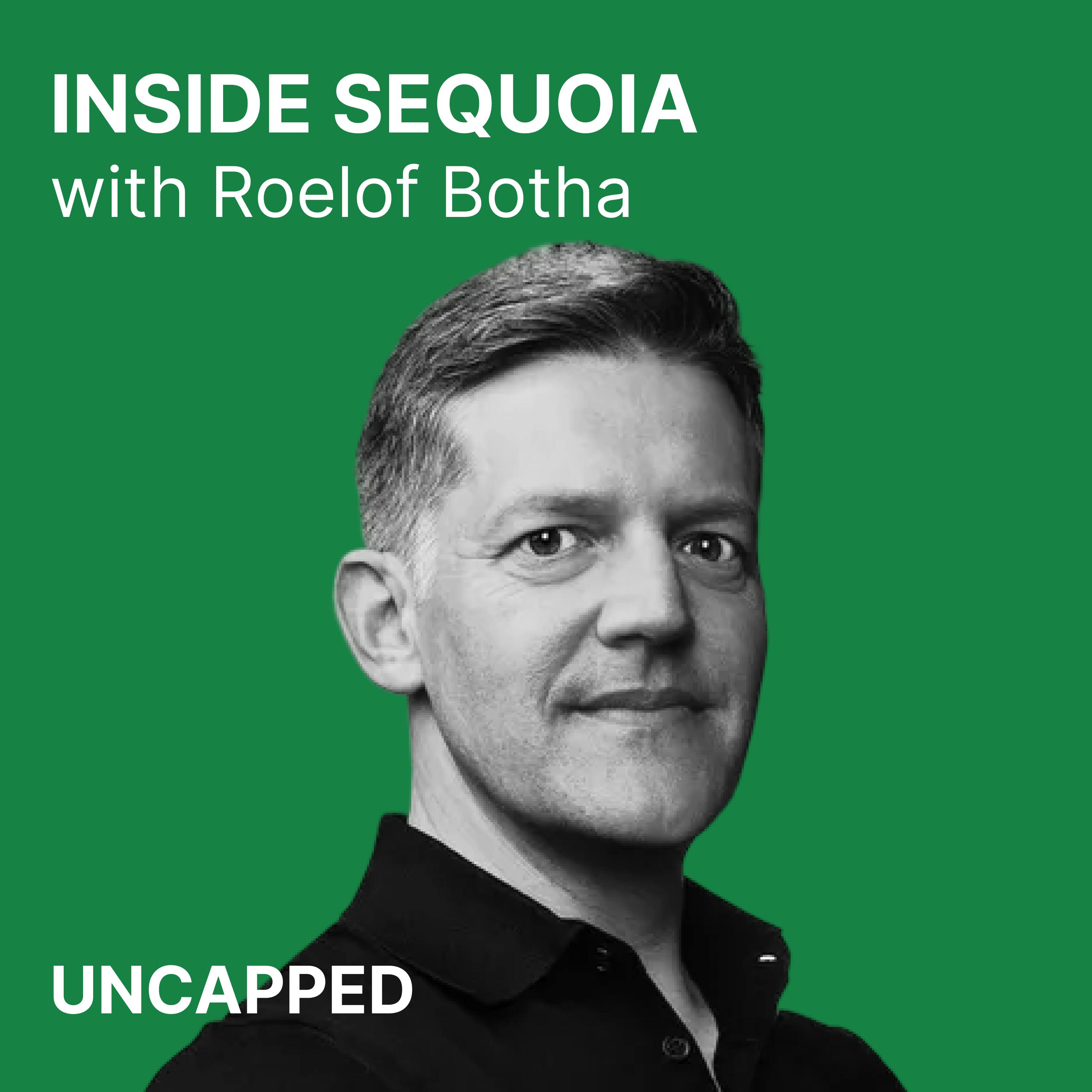
To ensure the "triumph of ideas, not the triumph of seniority," Sequoia uses anonymized inputs for strategic planning and initial investment votes. This forces the team to debate the merits of an idea without being influenced by who proposed it, leveling the playing field.
Structuring compensation around a single, firm-wide P&L, rather than individual deal performance, eliminates internal competition. It forces a culture of true collaboration, as everyone's success is tied together. The system is maintained as a meritocracy by removing underperformers from the 'boat.'
![Martín Escobari - Inside General Atlantic - [Invest Like the Best, EP.449] thumbnail](https://megaphone.imgix.net/podcasts/90e6e3e6-c984-11f0-ae5f-27bb851bdc56/image/608fac468f77cb3014e96336896d96de.jpg?ixlib=rails-4.3.1&max-w=3000&max-h=3000&fit=crop&auto=format,compress)
Benchmark's unconventional structure, where all partners have equal equity and power, aligns incentives for collaboration. Instead of the 'sharp elbow' culture of hierarchical firms, this model ensures senior partners are motivated to mentor and support junior members, as everyone shares equally in their success.

Sequoia makes consensus investment decisions, viewing each deal as "our investment." This is only possible through a culture of high trust and "front stabbing"—brutally honest, direct debate about a deal's merits. This prevents passive aggression and ensures collective ownership.