Get your free personalized podcast brief
We scan new podcasts and send you the top 5 insights daily.
Culture is a strategic tool, not just a set of values. It must be designed to reinforce your specific competitive moat. Amazon’s frugal culture supports its low-price leadership, while Apple's design-obsessed culture supports its premium brand.

Related Insights
Financial results are a downstream outcome. The true upstream driver is a company's culture—its talent density, hiring practices, and incentive systems. A strong culture creates a reinforcing feedback loop that attracts talent, improves decisions, and fuels compounding for decades.

Unlike companies where values are just posters, Amazon integrates its leadership principles into core processes like promotion documents and project meetings. This constant, practical application forces employees to learn and embody the principles, making them the true operating system of the company culture.

Instead of creating a broadly appealing culture, build one that is intensely attractive to a tiny, specific niche (e.g., "we wear suits and use Windows"). This polarization repels most people but creates an incredibly strong, cohesive team from the few who are deeply drawn to it.

Generic values like "Speed" are meaningless because no one disagrees with them. To make a value impactful, embed its inherent trade-off into the statement, like Facebook's "Move Fast and Break Things." This acknowledges what you are willing to sacrifice, making the value a unique and actionable strategic choice.

Culture isn't an abstract value statement. It's the sum of concrete behaviors you enforce, like fining partners for being late to meetings. These specific actions, not words, define your organization's true character and priorities.
A sustainable competitive advantage is often rooted in a company's culture. When core values are directly aligned with what gives a company its market edge (e.g., Costco's employee focus driving superior retail service), the moat becomes incredibly difficult for competitors to replicate.
![[REPLAY] Paul Black - Gratitude, Fun, and Growth Stocks (Capital Allocators, EP.51) thumbnail](https://static.libsyn.com/p/assets/f/b/7/6/fb76e1c8bfb69e8dd959afa2a1bf1c87/CA_Square_logo_light_background_6.26.24.jpg)
Instead of asking "what culture do we want?", BBDO asked "what are the characteristics of people who do best here?". This approach reverse-engineers a culture based on proven success, creating a practical and authentic behavioral language for the entire organization.

Instead of vague values, define culture as a concrete set of "if-then" statements that govern reinforcement (e.g., "IF you are on time, THEN you are respected"). This turns an abstract concept into an operational system that can be explicitly taught, managed, and improved across the organization.

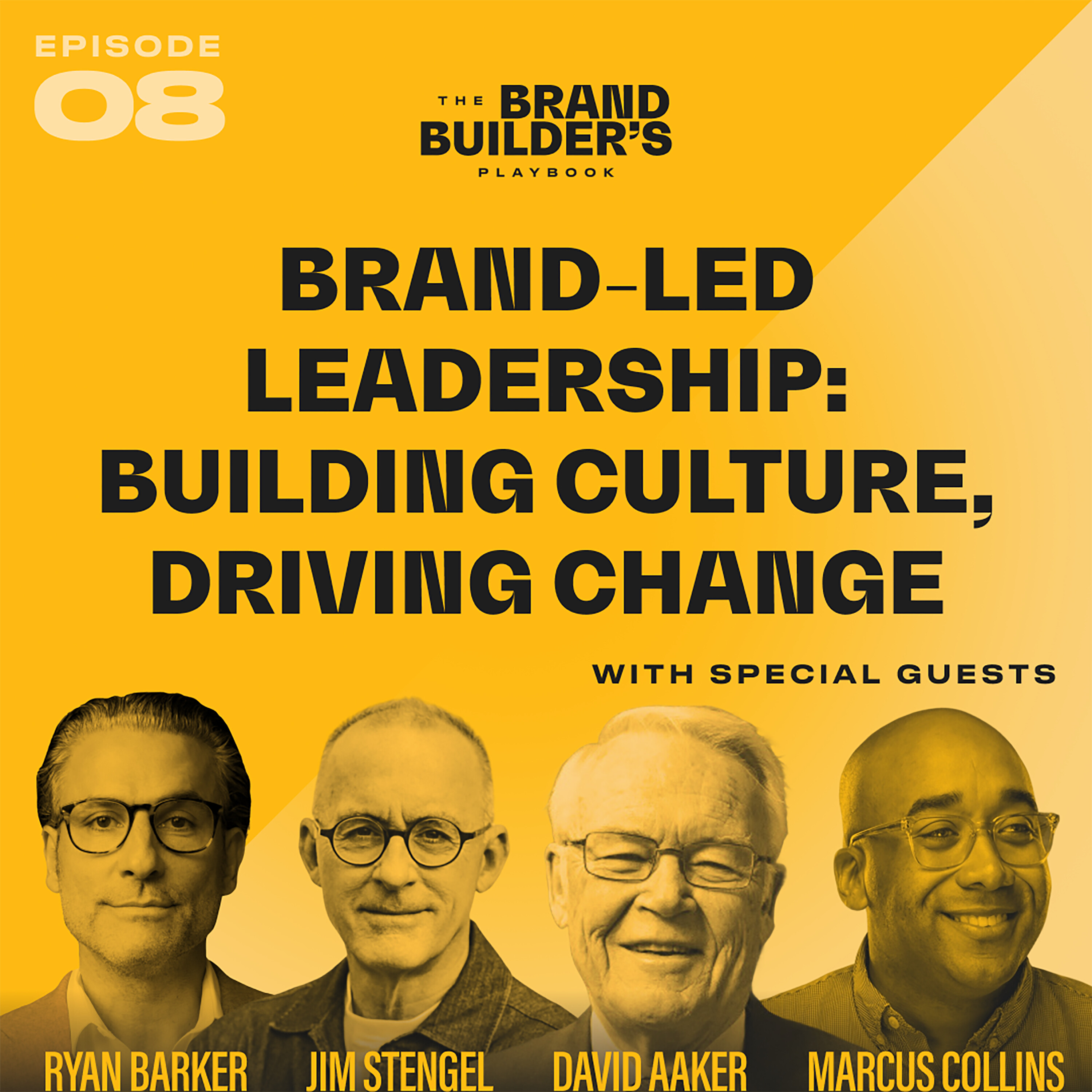
David Aaker identifies a simple, powerful tactic: ask your team what makes the company special—its "secret sauce"—and turn that into a formal brand asset. He argues even abstract concepts, like a unique way of treating people, can be branded (e.g., "the HP way") to create a potent, ownable differentiator.
Culture isn't about values listed on a wall; it's the sum of daily, observable behaviors. To build a strong culture, leaders must define and enforce specific actions that embody the desired virtues, especially under stress. Abstract ideals are useless without concrete, enforced behaviors.
