Get your free personalized podcast brief
We scan new podcasts and send you the top 5 insights daily.
Caribou Coffee translates its purpose—"create daymaking experiences"—into action by embedding core values directly into HR processes. Behaviors tied to these values are integrated into hiring, training, and performance reviews, ensuring employees are empowered to deliver the brand promise.

Related Insights
Identifying a company's stated values is insufficient. WCM's research evolved to analyze the social mechanisms that reinforce desired behaviors, turning values into a "cult." They found that many companies espouse the same behaviors, but only the best have the rituals and systems to make them stick.

Laura Kneebush's "Living Our Brands" initiative treats brand building as a company-wide responsibility. By training sales, R&D, and even manufacturing on brand strategy, the entire organization becomes accountable for the consumer experience, leading to deeper alignment and cultural change.
Values are not just words on a wall; they are an active management system. They should be a filter in the hiring process, a reason for public celebration when embodied, and a non-negotiable standard for performance. A company's true values are defined by the behavior it is willing to tolerate.

Ally reinforces its "brand is everyone's job" mantra by giving every employee 100 shares of company stock annually. This creates a powerful owner's mindset, directly linking the company's success to the brand experience delivered by every individual, from the call center to the C-suite.
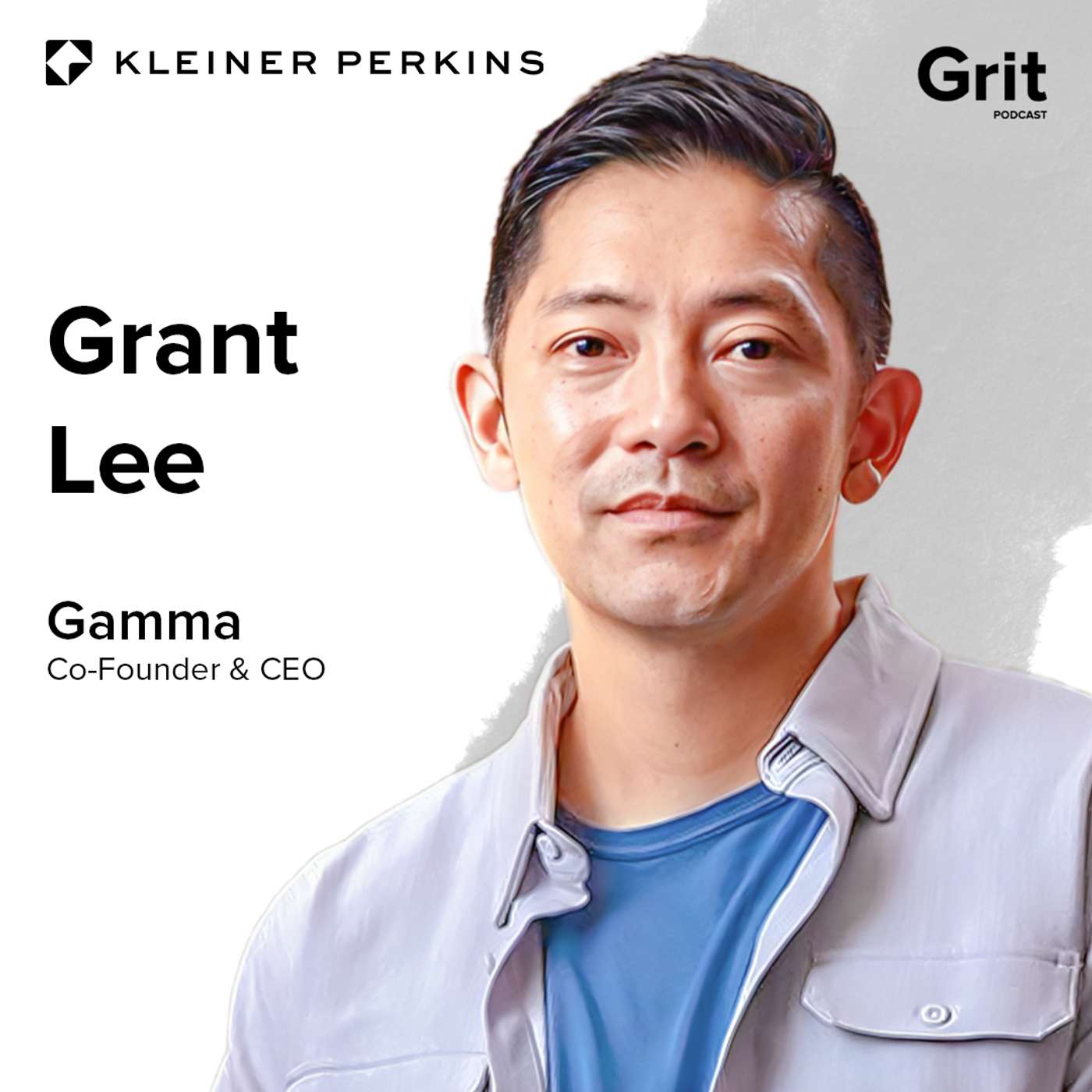
Instead of imposing top-down values, Gamma's CEO created a "notebook" of behaviors that team members organically praised in each other. These observed, authentic actions became the foundation of their culture deck, ensuring the values reflected reality.
Caribou Coffee's "Make Fun Happen" value inspires engaging internal activities that serve business goals. For a ticket giveaway, they ran a "drink bracket" competition, making the event enjoyable while simultaneously deepening the marketing team's knowledge of their own products.
One-off volunteer days or CSR initiatives are superficial fixes that employees recognize as inauthentic. Purpose must be the core reason a company exists and be embedded in every decision, not treated as a separate, performative activity to boost public image.
A company’s true values aren't in its mission statement, but in its operational systems. Good intentions are meaningless without supporting structures. What an organization truly values is revealed by its compensation systems, promotion decisions, and which behaviors are publicly celebrated and honored.

Georgia Pacific successfully operationalized the ANA's SeeHer initiative by embedding its principles directly into their processes. Instead of being an optional add-on, accurate representation became a criterion in creative briefs, evaluations, and measurement, making it a non-negotiable part of daily work.
Instead of typical corporate offsites, the Tim Hortons marketing team spends a day at one of its children's camps. They participate in team-building activities designed for campers, directly connecting their daily work to the brand's larger purpose and strengthening internal bonds through a shared mission.