Get your free personalized podcast brief
We scan new podcasts and send you the top 5 insights daily.
Instead of typical corporate offsites, the Tim Hortons marketing team spends a day at one of its children's camps. They participate in team-building activities designed for campers, directly connecting their daily work to the brand's larger purpose and strengthening internal bonds through a shared mission.

Related Insights
To combat remote work isolation, Atlassian designates one team member per week as the "Chief Vibes Officer" (CVO). This person's job is to inject fun and connection through activities like posting prompts in Slack. This simple ritual builds social bridges, leading to higher trust and better problem-solving.
To maximize the value of bringing teams together physically, focus on one of three goals. "Doing" involves collaborative work on a key project. "Learning" focuses on gaining business context. "Planning" aligns the team on strategy and roadmaps. This framework ensures gatherings are purposeful and effective.
A "team brag session"—where each member publicly praises a colleague—is counterintuitively more beneficial for the giver. While the recipient feels respected, the act of recognizing others elevates the praiser's own morale and strengthens team bonds.

Common team-building activities like happy hours or escape rooms often fail because they allow existing dynamics to persist: the loud get louder, cliques huddle together, and nothing new is revealed. Effective team building must intentionally break these patterns to foster new connections and build genuine trust.

Rituals like 'Waffle Wednesday' were not top-down mandates but organic traditions that fostered a family-like culture. This powerful culture became a self-correcting mechanism, quickly identifying and rejecting new hires who were selfish or not team players, often before management even noticed a problem.

WCM avoids the 'family' metaphor, which implies unconditional belonging and can make performance conversations difficult. They prefer framing the team as 'a group of friends,' which emphasizes voluntary commitment and a mutual desire not to let each other down, fostering greater accountability.
![[REPLAY] Paul Black and Mike Trigg – How to Build a $100B Money Manager (Capital Allocators, EP.227) thumbnail](https://static.libsyn.com/p/assets/f/b/7/6/fb76e1c8bfb69e8dd959afa2a1bf1c87/CA_Square_logo_light_background_6.26.24.jpg)
A residence manager dancing in the rain with an upset student shows how empowering employees to act with spontaneous empathy creates more trust and community than any structured support system. These moments define an organization's true culture.
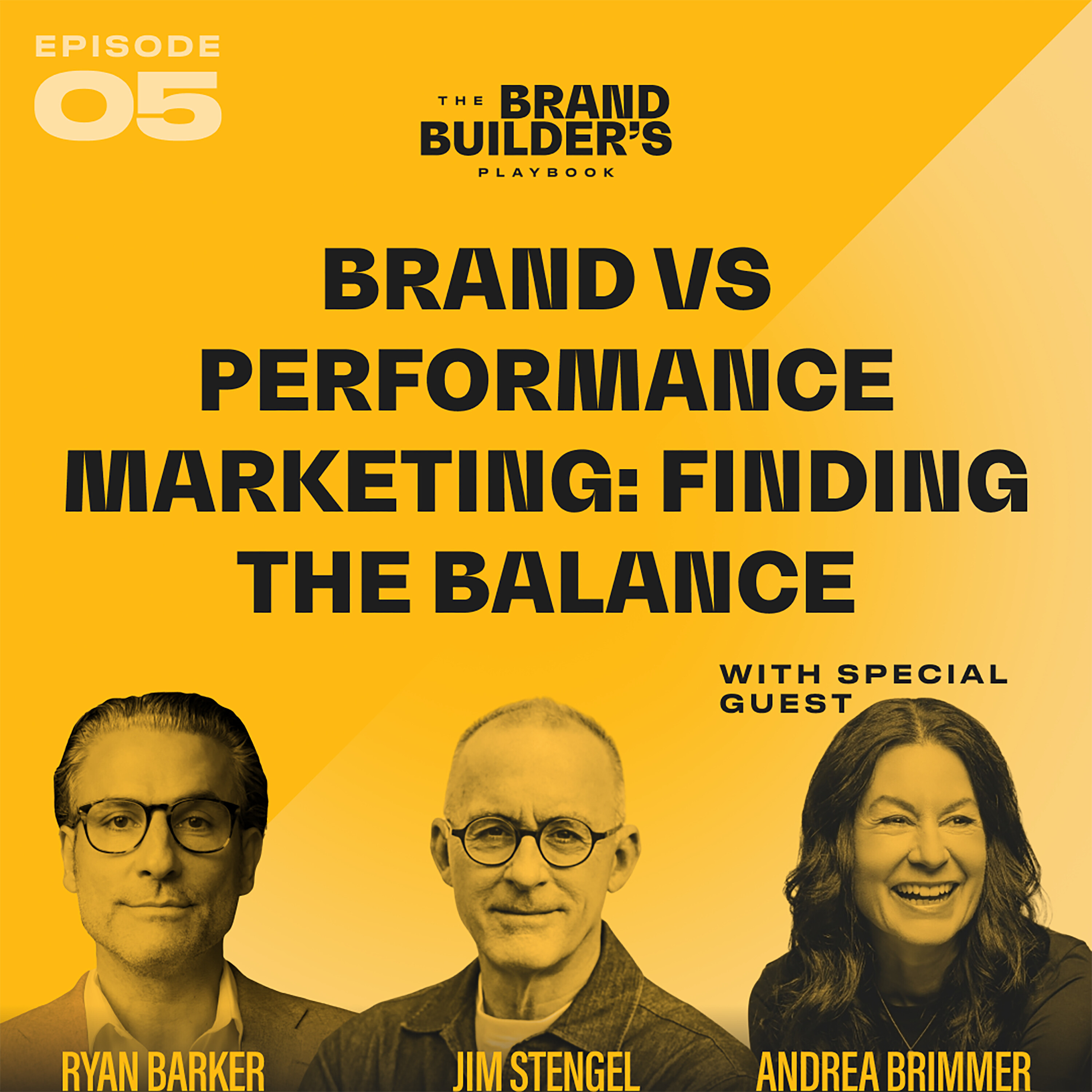
By changing the lexicon from an adversarial "versus" to a complementary "generation and capture," Ally's marketing team created a shared language. This simple reframe aligns disparate functions toward a common goal, dissolving internal friction and fostering collaboration.
Stanford GSB's iconic "Change lives..." tagline wasn't created by executives or an agency. It was forged in a workshop with staff from admissions, fundraising, and marketing, ensuring authentic, organization-wide buy-in from its inception.
Brands can host a single "immersion day" for all shortlisted agencies together. This format allows competitors to meet the team, ask questions openly, and gain deep brand insight simultaneously, fostering transparency and leading to higher-quality, better-informed proposals.
