Get your free personalized podcast brief
We scan new podcasts and send you the top 5 insights daily.
The market focus on Kevin Warsh's potential nomination as Fed Chair is misplaced for FX strategists. His dovish inclination is already priced into rates markets, no significant "uncertainty premium" existed to be removed, and the eventual impact of any balance sheet adjustments on interest rates is too slow and minimal to drive the dollar strategically.

Related Insights
The nomination of Kevin Warsh, perceived as more hawkish, is a deliberate move to restore credibility around the Fed's balance sheet. This counters investor skepticism, signaled by rising gold prices, and buys time for the administration's economic strategy to succeed.

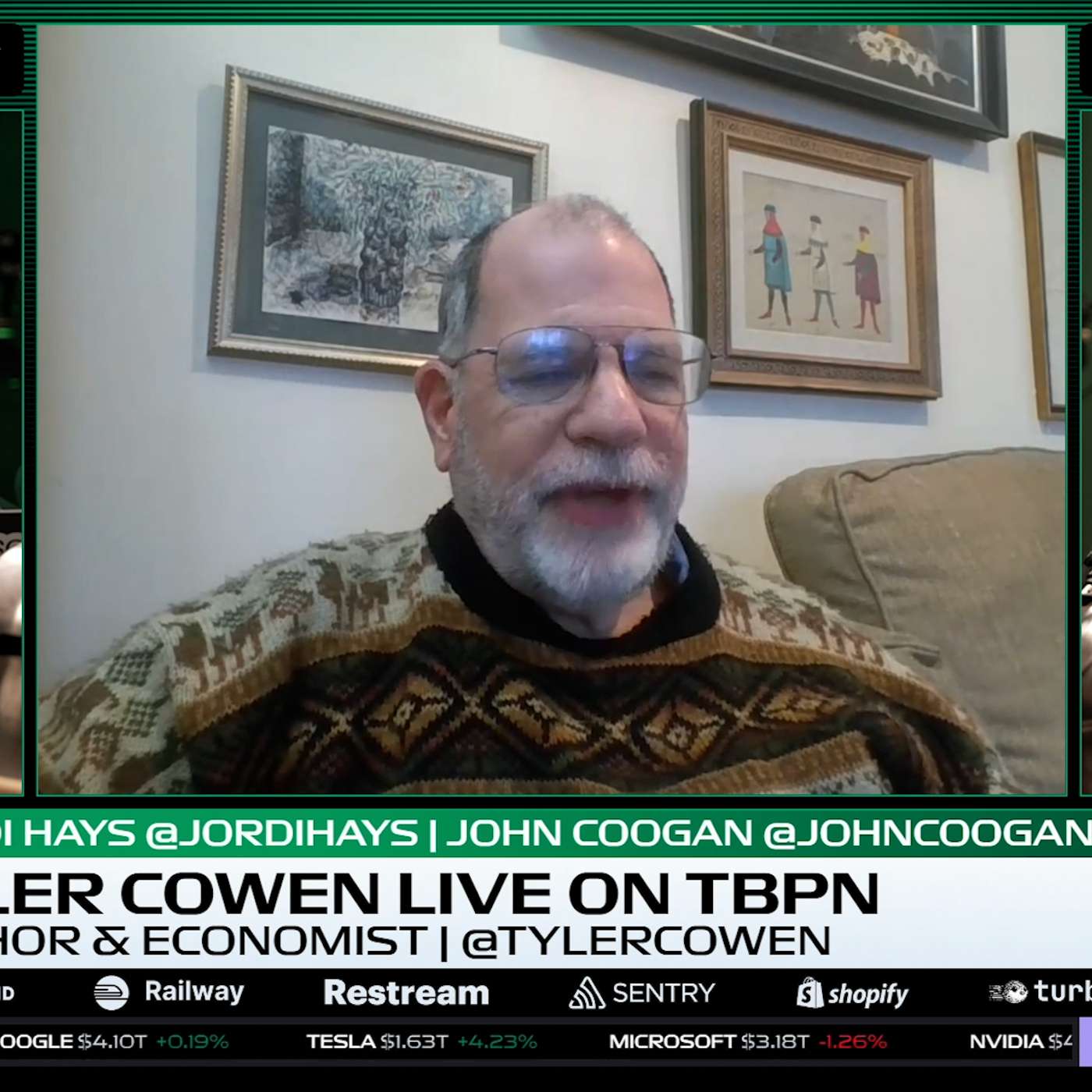
Tyler Cowen argues that Kevin Warsh is a political operator whose past economic stances are less predictive of his future actions than his desire to navigate the political landscape, particularly his relationship with Trump. Warsh's personal wealth from the Lauder family gives him the freedom to act independently if necessary, making his political calculus the key variable.
Despite his reputation as an inflation hawk, Fed Chair nominee Kevin Warsh is arguing for lower interest rates. He claims a coming AI-driven productivity boom will be disinflationary, allowing for looser monetary policy. This stance strategically aligns with President Trump's desire for rate cuts, making his nomination politically palatable.

The Fed Chair is just one vote on the FOMC and cannot unilaterally dictate policy. To be effective, they must persuade other governors and regional presidents. A nominee like Kevin Warsh, perceived as partisan and not data-driven, may struggle to build the necessary consensus to implement his agenda, rendering him less powerful than expected.

To secure a nomination from a president like Donald Trump, candidates like Kevin Warsh must publicly adopt positions, such as rate cuts, that contradict their hawkish history. This "audition process" creates fundamental uncertainty about their true policy direction once appointed.
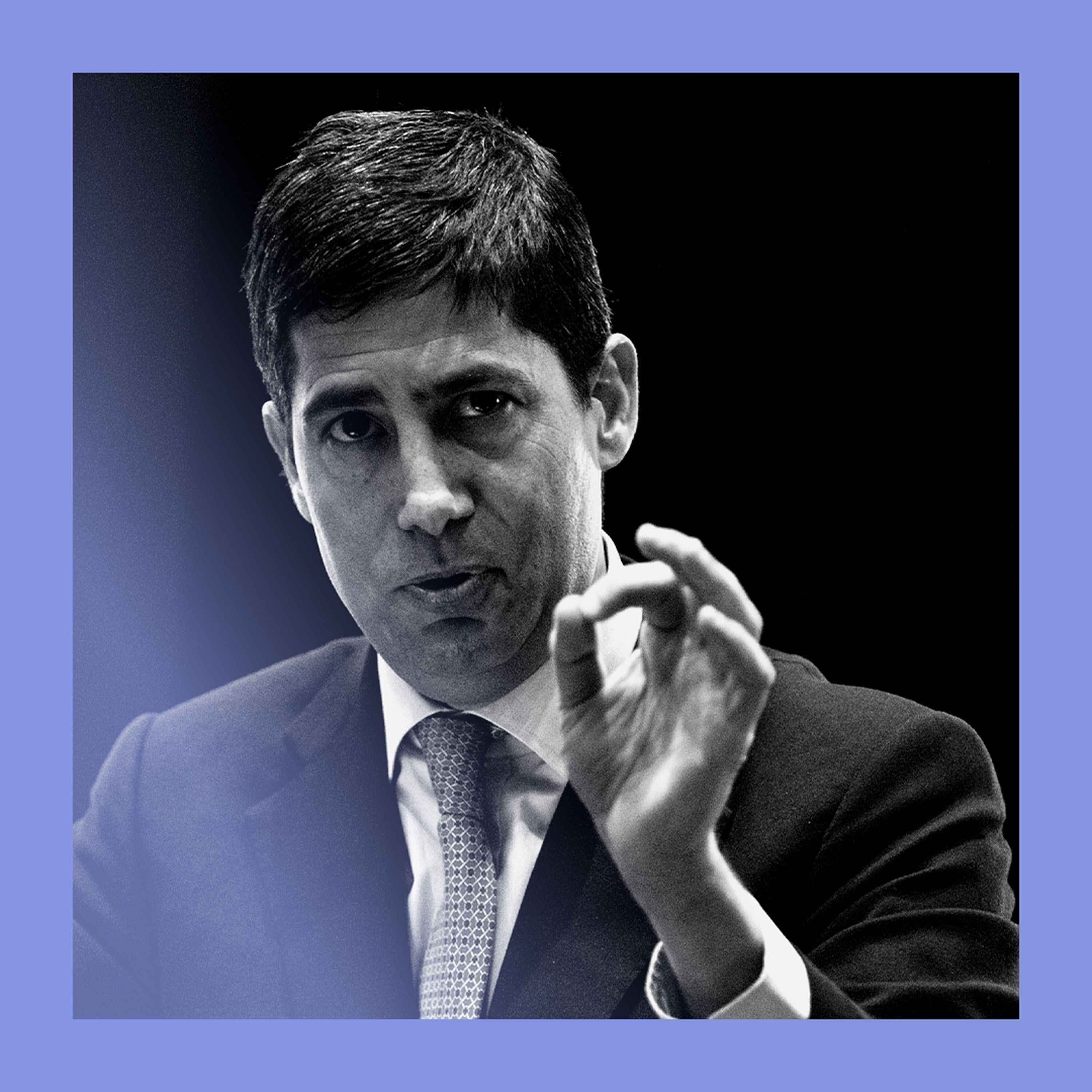
A series of upcoming US policy events, including Fed appointments and defense spending debates, are collectively skewed towards dovish monetary policy implications and a weaker fiscal picture. This creates a coordinated downside risk profile for the US dollar, suggesting potential for weakness is greater than for strength.
While presidents focus on interest rates, a Fed Chair like Kevin Warsh has limited sway as one of 12 votes. His real impact will be on technical areas like the Fed's balance sheet, where he has stronger personal convictions and faces less political scrutiny.
Despite no official announcement, markets are reacting to the shifting probabilities of a more dovish Federal Reserve chair. This expectation, not just economic data, is a key driver for lower front-end rates, with markets pricing a full rate cut only after a new chair is in place.
Despite a change in leadership, the Federal Reserve's interest rate policy is unlikely to shift materially in the near term. The new chair, Kevin Warsh, must build consensus among 16 other committee members whose views are established. The Fed's reaction function is driven by collective data analysis, not the sole will of the chair.
The Trump administration's desire for rate cuts is a given. Warsh's distinct, long-held agenda is to reduce the Fed's balance sheet. This reconciles his hawkish reputation with the dovish policy of cutting rates, a consensus view within the administration.