Get your free personalized podcast brief
We scan new podcasts and send you the top 5 insights daily.
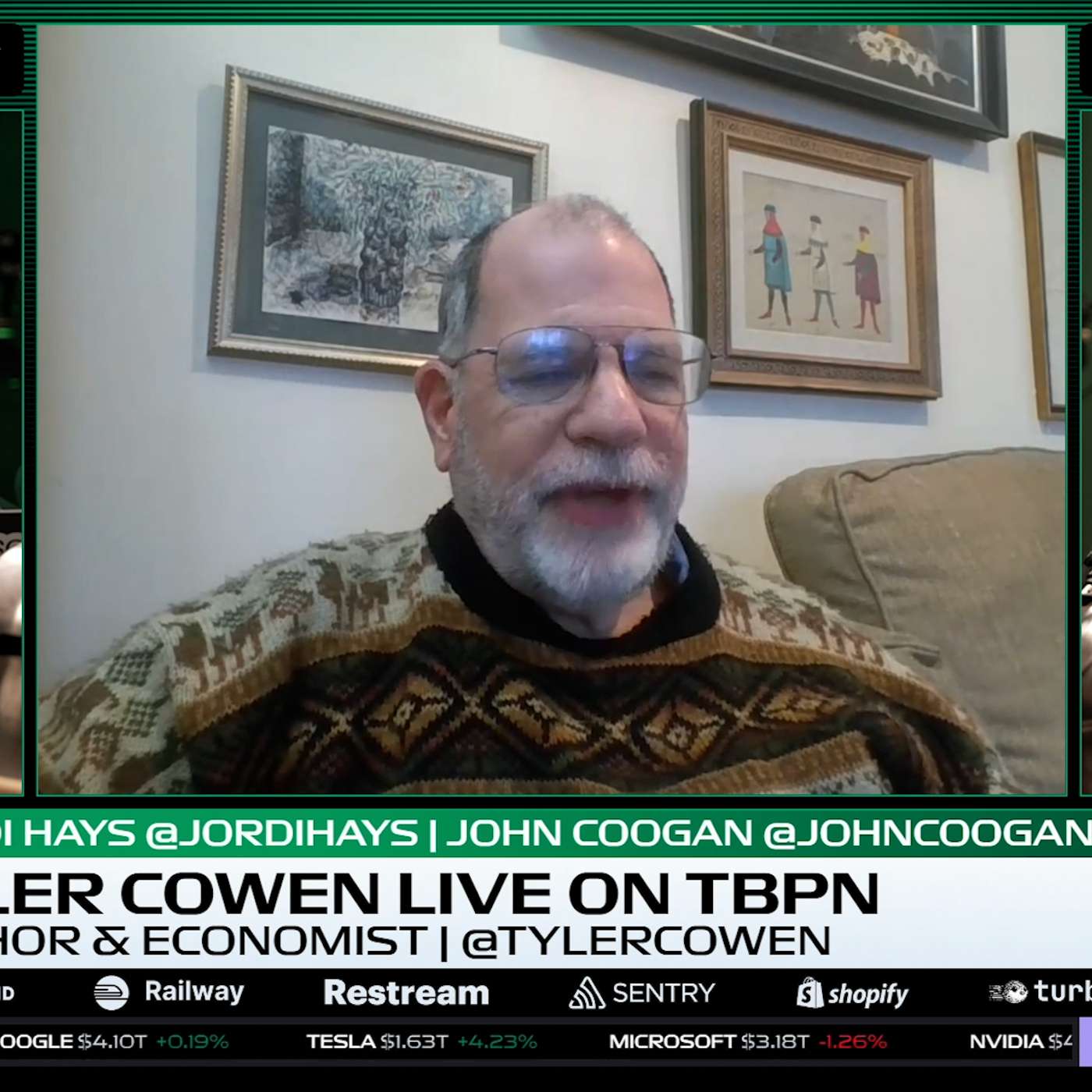
Tyler Cowen argues that Kevin Warsh is a political operator whose past economic stances are less predictive of his future actions than his desire to navigate the political landscape, particularly his relationship with Trump. Warsh's personal wealth from the Lauder family gives him the freedom to act independently if necessary, making his political calculus the key variable.
Related Insights
Increasing political influence, including presidential pressure and politically-aligned board appointments, is compromising the Federal Reserve's independence. This suggests future monetary policy may be more dovish than economic data warrants, as the Fed is pushed to prioritize short-term growth ahead of elections.

The consideration of Kevin Hassett for Fed Chair highlights a significant change in the expected profile for the role. Once viewed as a technocratic economist who published in academic journals, Hassett is now widely seen as a partisan political operator, raising questions about whether the Fed will be led by an independent expert or a political agent.

Figures like Mohamed El-Erian and Jason Furman support Warsh, but this backing is framed as coming from an insular "Group of 30" of former central bankers. Critics argue this elite endorsement overlooks Warsh's public track record of poor calls and partisan shifts, valuing personal rapport over demonstrated performance.

Critics allege Kevin Warsh exhibits a pattern of partisanship, worrying about inflation and fiscal excess under Democratic presidents but pivoting to pro-growth, lower-rate stances under Republicans. This behavior raises serious questions about his political independence and commitment to the Fed's dual mandate, regardless of the administration in power.
The Fed Chair is just one vote on the FOMC and cannot unilaterally dictate policy. To be effective, they must persuade other governors and regional presidents. A nominee like Kevin Warsh, perceived as partisan and not data-driven, may struggle to build the necessary consensus to implement his agenda, rendering him less powerful than expected.
Kevin Warsh advocates for a nuanced economic policy that avoids both the short-termism of temporary stimulus checks and the punishing effects of pure fiscal austerity. His approach focuses on pro-growth supply-side reforms like simplifying the tax code and reducing regulation to foster long-term investment rather than just reinflating consumer bubbles.

Kevin Warsh's criticism of the Fed's reliance on data is viewed as dangerous. Data provides a common, objective language for policy debate and builds legitimacy. Abandoning it in favor of subjective judgment or "vibes" could erode the Fed's credibility and open the door to politically motivated, rather than evidence-based, decisions.
Despite the perception of independence, the Federal Reserve historically yields to political pressure from the White House. Every US president, regardless of party, has ultimately obtained the monetary policy they desired, a pattern that has held true since the Fed's creation.

A Fed Chair's ability to calmly manage market expectations through public speaking and forward guidance is more critical than their economic forecasting prowess. A poor communicator can destroy market sentiment and inadvertently add risk premium, undermining their own policy goals.
In crises like 2008 and 2020, the Fed's perceived independence allowed it to broker vital policy solutions between a divided government. Appointing a figure seen as highly partisan, like Kevin Warsh, risks destroying this institutional trust, potentially paralyzing the Fed's ability to act as a reliable crisis manager when it is needed most.