Get your free personalized podcast brief
We scan new podcasts and send you the top 5 insights daily.
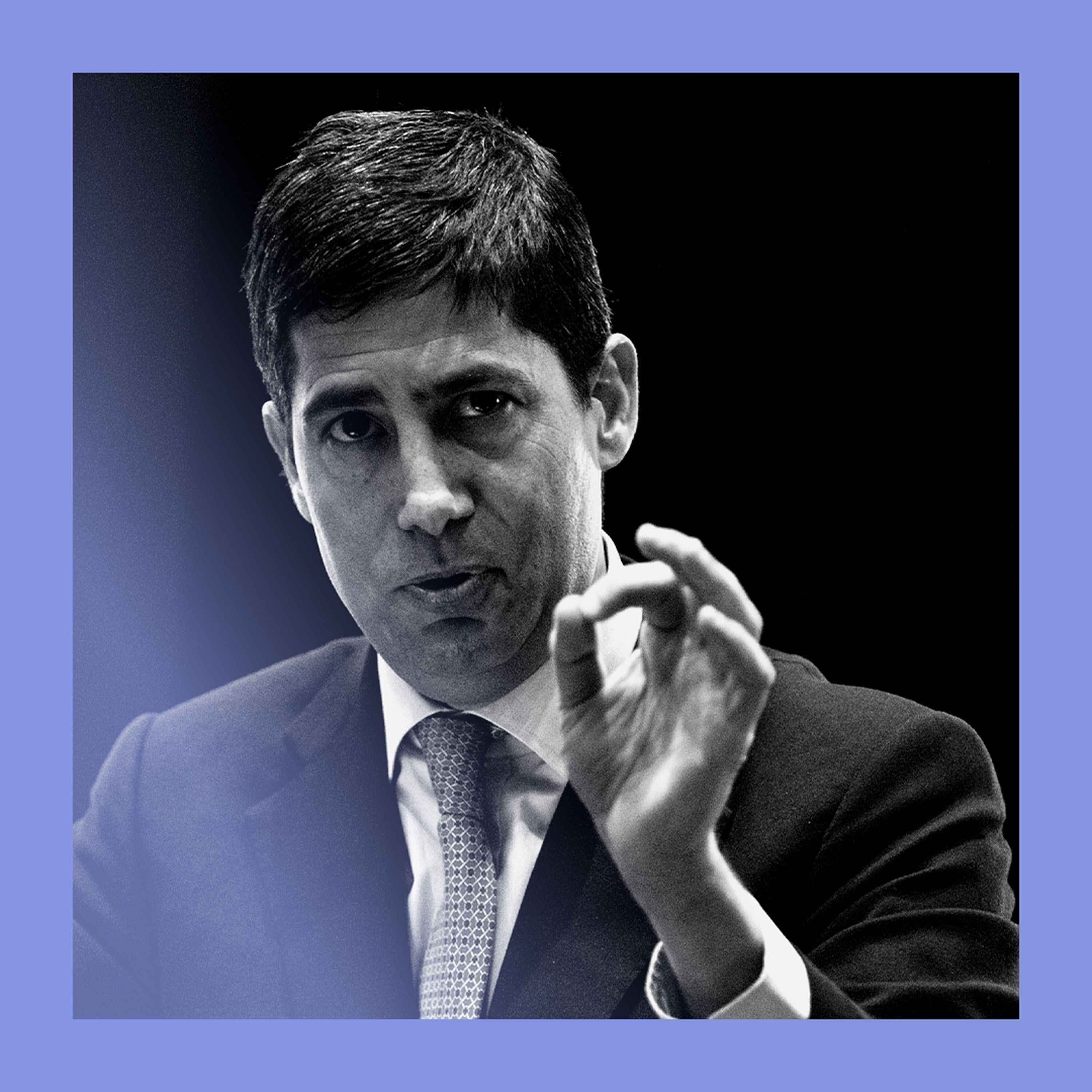
While presidents focus on interest rates, a Fed Chair like Kevin Warsh has limited sway as one of 12 votes. His real impact will be on technical areas like the Fed's balance sheet, where he has stronger personal convictions and faces less political scrutiny.
Related Insights
The appointment of Kevin Warsh as Fed Chair shifts the focus from purely economic decisions to a fundamental governance question: will the central bank remain independent or take political orders from the president? This represents a potential paradigm shift in the separation of powers.

The nomination of Kevin Warsh, perceived as more hawkish, is a deliberate move to restore credibility around the Fed's balance sheet. This counters investor skepticism, signaled by rising gold prices, and buys time for the administration's economic strategy to succeed.

Warsh advocates for a nuanced Fed policy: simultaneously cutting interest rates while passively shrinking the balance sheet by letting bonds mature. This "passive quantitative tightening" aims to reduce the Fed's market footprint without the shock of active selling, representing a middle ground between aggressive easing and hawkish tightening.

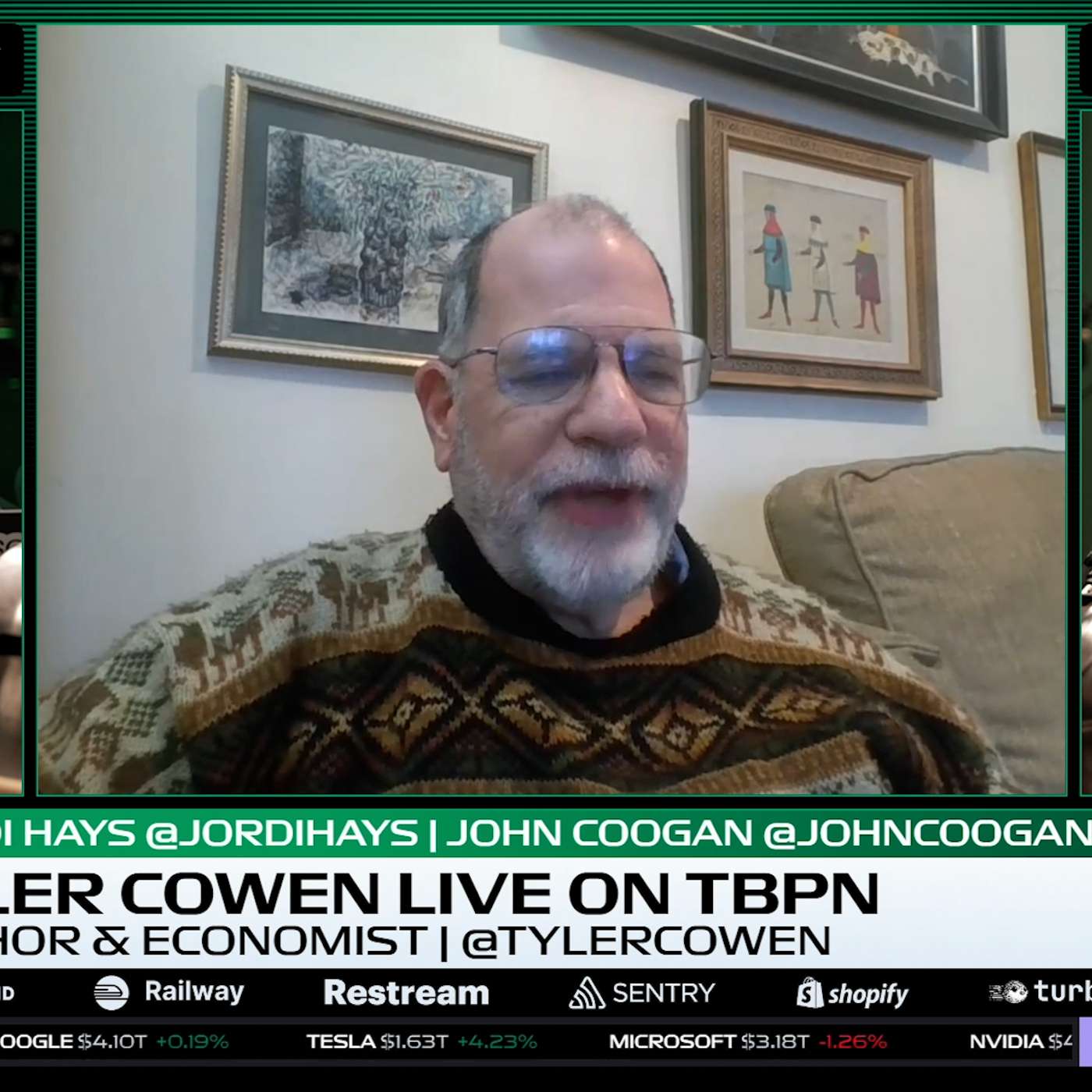
Tyler Cowen argues that Kevin Warsh is a political operator whose past economic stances are less predictive of his future actions than his desire to navigate the political landscape, particularly his relationship with Trump. Warsh's personal wealth from the Lauder family gives him the freedom to act independently if necessary, making his political calculus the key variable.
While interest rates are set by a committee vote, the Federal Reserve Chair wields immense influence by deciding what policy to propose and acting as the primary communicator to markets. The public and financial markets give deference to the chair's views, making their ability to shape the narrative a powerful tool.

Kevin Warsh argues the Fed has experienced "scope creep" by taking on quantitative easing, broad bank regulation, and social initiatives. He advocates for a return to a narrow mandate focused on price stability, using interest rates as the primary tool and exiting non-conventional mechanisms.

Critics allege Kevin Warsh exhibits a pattern of partisanship, worrying about inflation and fiscal excess under Democratic presidents but pivoting to pro-growth, lower-rate stances under Republicans. This behavior raises serious questions about his political independence and commitment to the Fed's dual mandate, regardless of the administration in power.

The Fed Chair is just one vote on the FOMC and cannot unilaterally dictate policy. To be effective, they must persuade other governors and regional presidents. A nominee like Kevin Warsh, perceived as partisan and not data-driven, may struggle to build the necessary consensus to implement his agenda, rendering him less powerful than expected.
Even if a politically motivated chair is appointed, the Federal Reserve's independence is largely preserved by the Federal Open Market Committee (FOMC) structure. The chair only has one vote and must build consensus among other governors and regional bank presidents, making radical, unilateral policy shifts nearly impossible.
Kevin Warsh expresses skepticism about the Fed's reliance on real-time data, forecasts, and complex economic models, which he argues are often wrong and create a false sense of precision. This suggests a preference for a more principles-based monetary policy framework over a reactive, data-driven one.