Get your free personalized podcast brief
We scan new podcasts and send you the top 5 insights daily.
Airstream's CMO initially promised the Camp Airstream experience would only break even. By exceeding this and becoming profitable, the marketing initiative gained significant internal buy-in and operational agency, transforming it from a typical cost center into a sustainable, revenue-generating product.

Related Insights
To run an ongoing experience like Camp Airstream, the marketing team had to operate like a product organization. This meant adopting new roles like a product owner, different budget cycles, and focusing on product metrics like sell-through and NPS, not just traditional campaign metrics like impressions.
To get C-suite buy-in for long-term brand investment, marketers should run small, ring-fenced test campaigns. By isolating a market segment and layering brand tactics on top of demand generation, you can demonstrably prove superior growth compared to a control group, de-risking a larger investment.

A key, and initially underestimated, operational hurdle for Camp Airstream was finding the right on-site staff. Instead of brand ambassadors, they recruited genuine Airstream owners to serve as "camp hosts." This provided an authentic, peer-to-peer experience that proved instrumental to the program's success.
Canva's leadership, with founder buy-in, views brand investment as essential for long-term growth. This philosophy allows them to balance building brand equity for future health with hitting immediate performance marketing goals, justifying spend to the CFO.

To gain CFO buy-in for brand initiatives with unclear ROI, Sean Summers ensured 80% of his budget delivered 100% of the company's short-term results. This performance-first approach built credibility and created the freedom to invest the remaining 20% in future-focused capabilities.

To get buy-in from financial stakeholders, translate the 'soft' concept of brand love into hard metrics. Loved brands can command higher prices, maximize customer lifetime value, and reduce customer acquisition costs through organic advocacy, proving brand is a tangible asset.
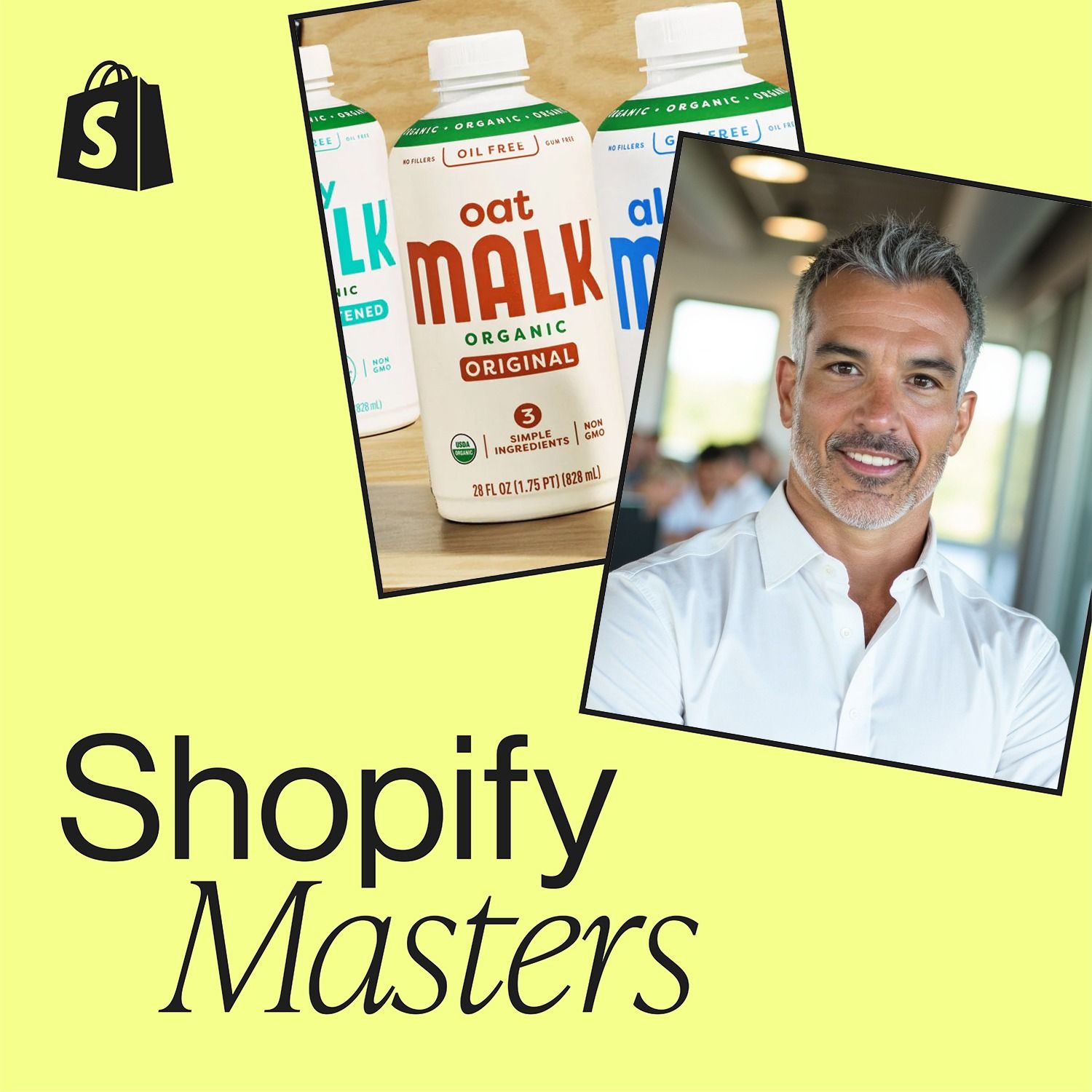
Malk's Erewhon smoothie partnership is a dual-purpose initiative. It generates direct revenue from product sales within Erewhon stores, providing a tangible ROI floor. This sales component de-risks the harder-to-measure brand awareness benefit from social media fame, making "gut feel" marketing decisions easier to justify and assess.
Instead of treating marketing as a cost, create paid, immersive experiences (like the Guinness Storehouse) that invite customers into your brand's world. These 'invitational transformations' can shift a customer's identity (e.g., 'I am a whiskey drinker'), making marketing a profitable brand-building activity.

Instead of a traditional marketing budget, invest resources into creating a remarkable customer experience. The content generated from that experience—the joy, the surprises, the shareable moments—becomes your most effective and authentic marketing asset.

Facing a potential flood of used products post-pandemic, Airstream shifted its focus from customer acquisition to retention. The Camp Airstream experience was conceived as a way to create brand "stickiness," ensuring new owners felt connected to the community and were less likely to sell their vehicle on the used market.