Get your free personalized podcast brief
We scan new podcasts and send you the top 5 insights daily.
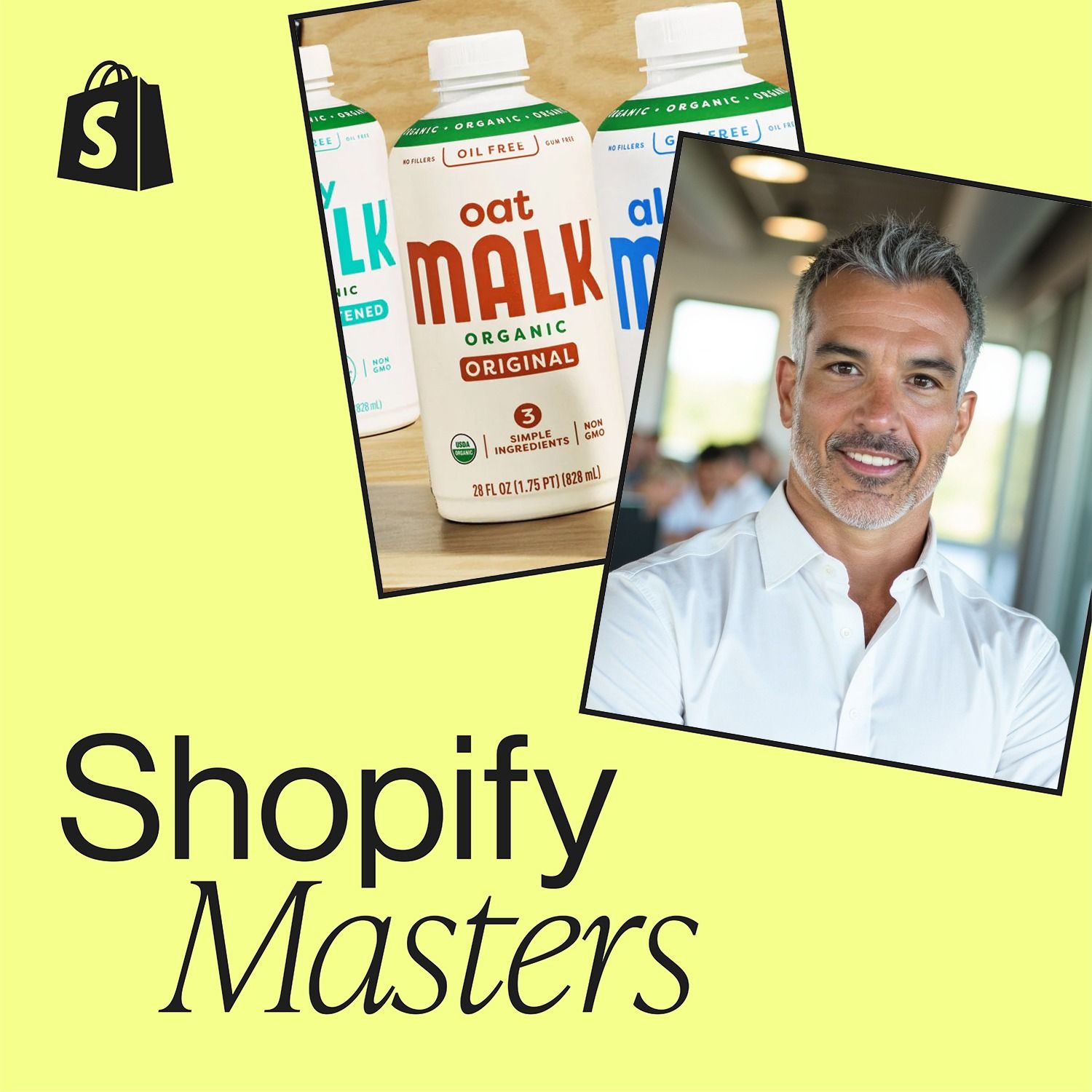
Malk's Erewhon smoothie partnership is a dual-purpose initiative. It generates direct revenue from product sales within Erewhon stores, providing a tangible ROI floor. This sales component de-risks the harder-to-measure brand awareness benefit from social media fame, making "gut feel" marketing decisions easier to justify and assess.
Related Insights
Marketers often silo brand-building and sales-driving objectives, but they are intrinsically linked. If a creative fails to generate a short-term sales lift, it's a strong signal that it's also failing to build long-term brand equity. An ad that sells inherently delivers an equity benefit.

To get C-suite buy-in for long-term brand investment, marketers should run small, ring-fenced test campaigns. By isolating a market segment and layering brand tactics on top of demand generation, you can demonstrably prove superior growth compared to a control group, de-risking a larger investment.

Instead of shouldering the full financial and promotional burden of a first-time event, partner with other companies. By splitting costs and co-promoting to a shared target audience, you significantly lower risk and can test the marketing channel more affordably.

To ensure positive Return on Marketing Investment (ROMI), Autodesk's CMO uses a simple rule: a partnership must generate at least three dollars for every dollar spent. This financial discipline forces marketers to pursue only high-impact collaborations that act as a force multiplier for the brand.
Brand campaigns reach the 95% of buyers not currently in-market. Instead of relying on vanity metrics, Square ties this investment to business outcomes by tracking the subsequent lift in organic traffic, which they've found converts better than paid channels.
Former AB InBev CMO Chris Burgrave argues that brand building is a financial activity, not just a marketing one. A brand's ultimate purpose is to de-risk a business by creating repeatable, predictable future cash flows. This reframes the conversation from soft metrics to tangible financial outcomes like growth, profit, and risk reduction.
Data shows that adding brand marketing to a performance-driven engine can increase median ROI by 90%. The persistent tension between brand and performance stems from short-termism and the allure of easily measured clicks, creating a false dichotomy between two essential functions.
In a world demanding short-term results, brand marketing isn't a separate luxury. It is a critical investment that builds top-of-funnel awareness, ensuring that lower-funnel performance tactics have a sufficient audience to convert and ultimately work harder.

Shift the mindset from a brand vs. performance dichotomy. All marketing should be measured for performance. For brand initiatives, use metrics like branded search volume per dollar spent to quantify impact and tie "fluffy" activities to tangible growth outcomes.
Position marketing as the engine for future quarters' growth, while sales focuses on closing current-quarter deals. This reframes marketing's long-term investments (like brand building) as essential for sustainable revenue, justifying budgets that don't show immediate, direct ROI to a CFO.