Get your free personalized podcast brief
We scan new podcasts and send you the top 5 insights daily.
A key, and initially underestimated, operational hurdle for Camp Airstream was finding the right on-site staff. Instead of brand ambassadors, they recruited genuine Airstream owners to serve as "camp hosts." This provided an authentic, peer-to-peer experience that proved instrumental to the program's success.
Related Insights
Ty Haney, founder of Outdoor Voices, reveals a key community-building step: relinquish brand control. By empowering super fans to host local events, the brand turns them into 'co-owners' of the experience. This generates more authentic engagement and word-of-mouth than centrally-managed marketing ever could.

Instead of using traditional celebrity endorsements, Square's 'See You in the Neighborhood' campaign heroes its actual customers. This approach treats local business owners as influential figures in their own right, lending unparalleled authenticity and relevance to the campaign's storytelling.
After acquiring their first campground, the founders realized they couldn't outsource management because "you can't outsource culture." To maintain the high-touch hospitality of the previous family owners and scale effectively, they built an in-house operations company instead of relying on third parties.

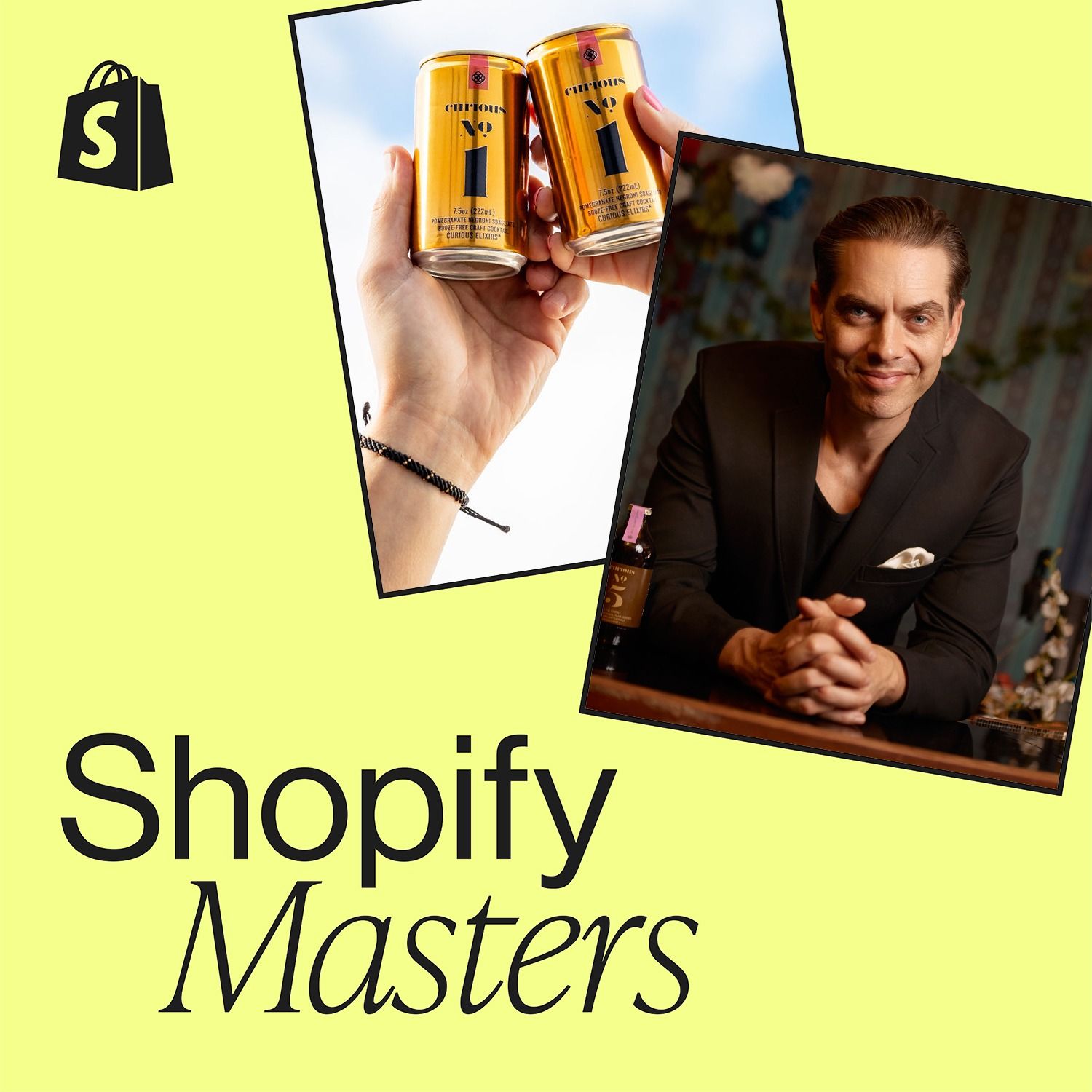
Instead of a single, expensive brand event, Curious Elixirs orchestrates a night where hundreds of customers host their own parties nationwide. The brand simply provides product, letting the community create authentic, diverse, and highly-shareable experiences that scale brand awareness organically.
By empowering ambassadors to host local events, Outdoor Voices turned passive fans into active co-owners. This gave events authentic authorship, making them more powerful for attendees and creating a self-perpetuating flywheel of community growth and brand loyalty.
Airstream's CMO initially promised the Camp Airstream experience would only break even. By exceeding this and becoming profitable, the marketing initiative gained significant internal buy-in and operational agency, transforming it from a typical cost center into a sustainable, revenue-generating product.
Unlike typical brand experiences packed with activities, Camp Airstream includes ample unstructured time. This design choice facilitates spontaneous connections and conversations, leading to owners forming lasting friendships and planning future trips together—a key metric of the program's success at building true community.
Airstream discovered that recap videos from its Camp Airstream events, featuring genuine owners having authentic experiences, were among its highest-engaged social media content. This proved that real customer stories can outperform polished influencer or brand-led content in terms of audience connection and performance.
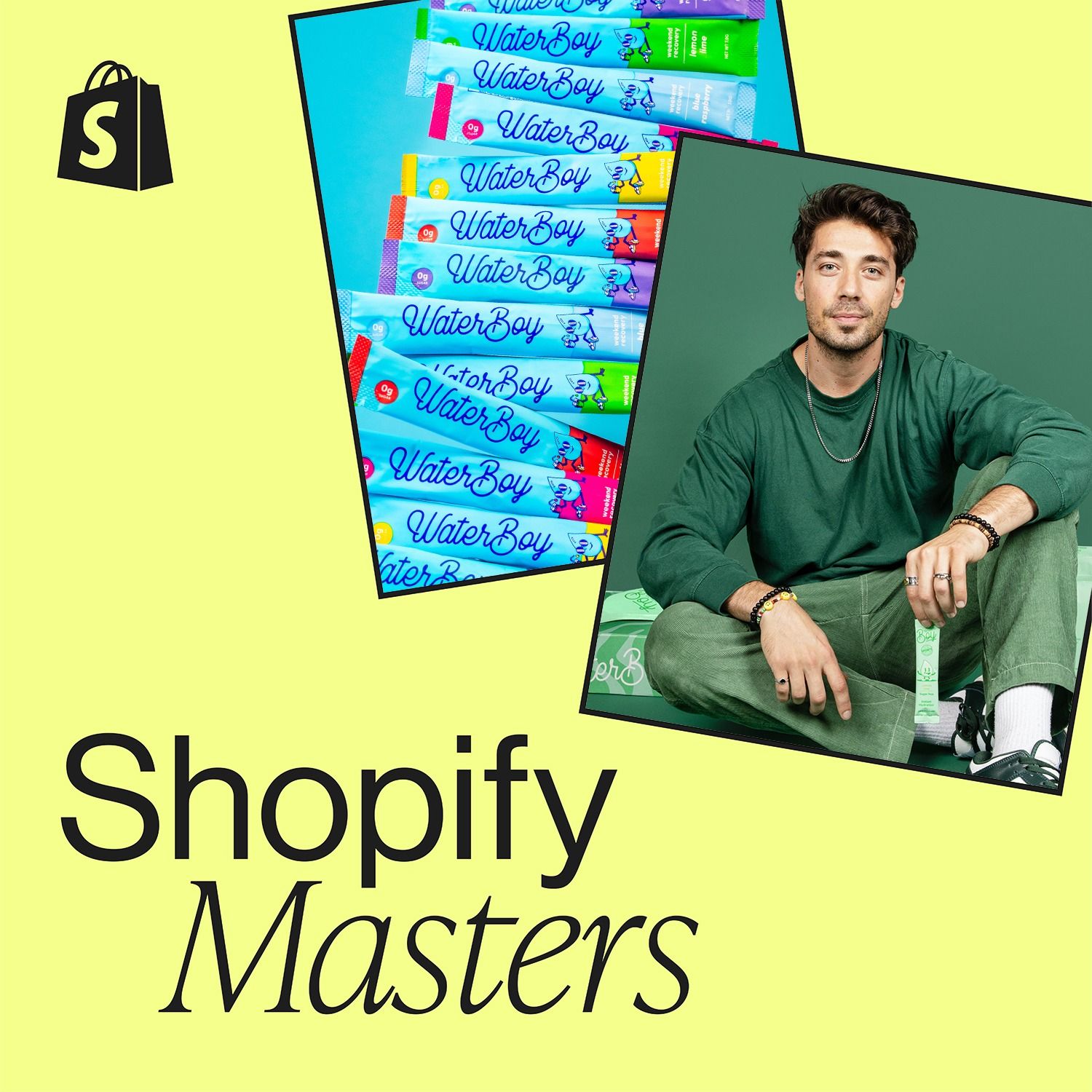
Waterboy opted for a "customer brand trip" instead of a traditional influencer trip, focusing on rewarding loyal buyers. The goal was community-building, not direct ROI. This authentic, against-the-grain approach generated significant buzz and ultimately proved to be ROI-positive.
Facing a potential flood of used products post-pandemic, Airstream shifted its focus from customer acquisition to retention. The Camp Airstream experience was conceived as a way to create brand "stickiness," ensuring new owners felt connected to the community and were less likely to sell their vehicle on the used market.