Get your free personalized podcast brief
We scan new podcasts and send you the top 5 insights daily.
The physical act of writing is slower than digital input, acting as a regulator on the brain. This deliberate pacing forces more selective and considered thought, enhancing focus, comprehension, and retention in a world of high-speed information overload. This is why JCal mandates it in meetings.

Related Insights
Getting stuck in mental loops is common. The physical act of translating thoughts into written or spoken words activates different neural pathways and accountability mechanisms. This externalization process inherently improves clarity and helps break unproductive thought patterns, even without feedback from others.

The motor cortex, activated by physical writing, generates actions and plans. This physical engagement, used by elite Army Rangers with chalkboards, makes planning more effective than passively consuming lists on a PowerPoint, which is how computers think.

The act of consistently publishing ideas, such as in a weekly newsletter, imposes a discipline that rewires your brain. It forces you to organize complex thoughts, articulate them clearly, and ultimately improves your entire decision-making process in investing, business, and life.

To become a better writer, don't just read—transcribe. The physical act of handwriting successful sales copy or literature forces you to internalize its rhythm, word choice, and structure. This 'copywork' practice builds muscle memory for effective writing, much like a musician practicing scales.

High-tech professionals, particularly those with ADHD, are returning to paper planners. Analog systems have no batteries, WiFi requirements, or 'clicks' that create friction. The infinite, non-distracting visual real estate of paper can be superior for seeing relationships between tasks.

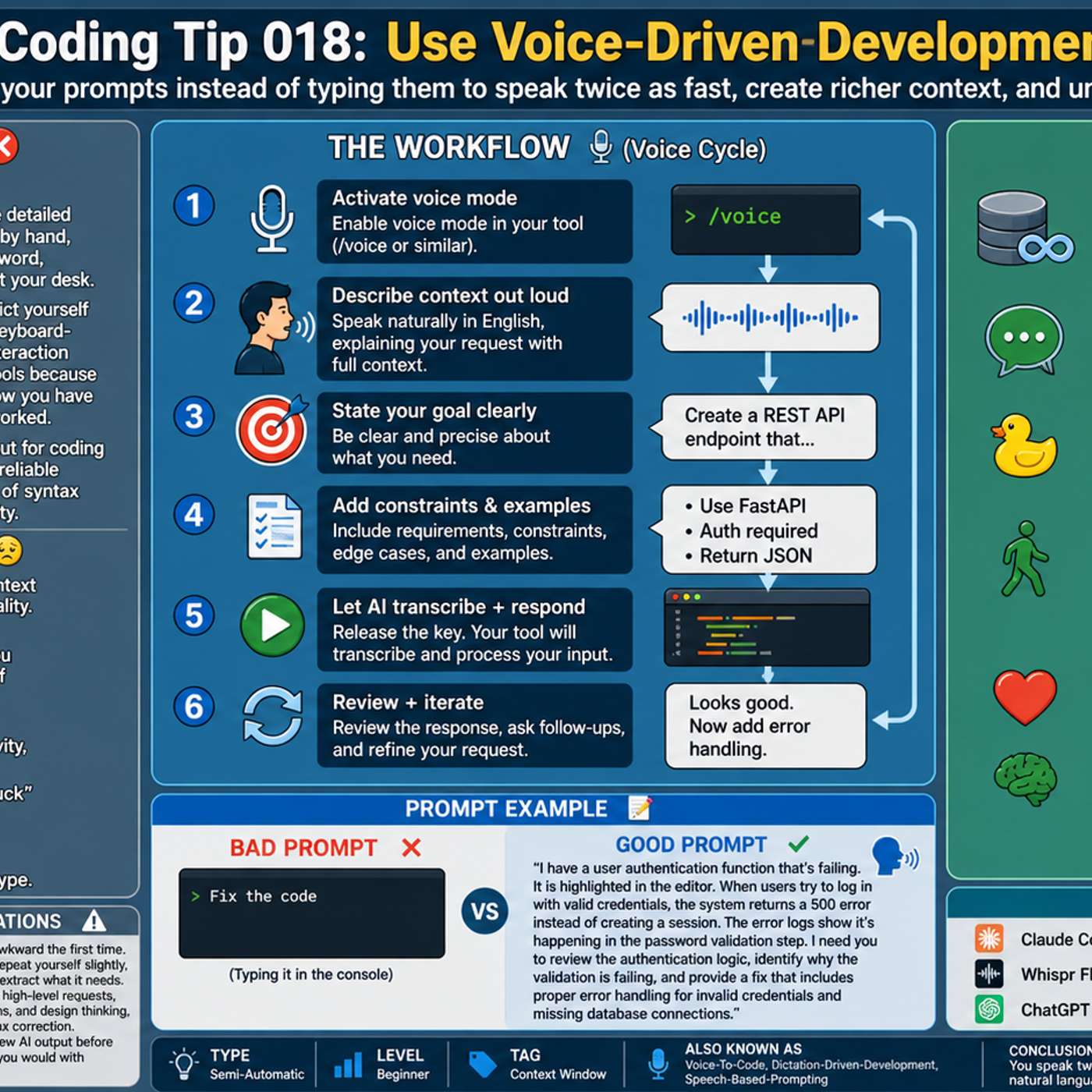
Dictating allows developers to remain in a "thinking mode" focused on the problem, rather than context-switching to the mechanical task of typing. This maintains uninterrupted mental focus on the problem, improving ideation and problem-solving.
Arvind Jain insists on receiving written thoughts before discussions. It's partly for his own processing style (he absorbs information better by reading). More importantly, he believes the act of writing is the most effective way for anyone to structure their thoughts coherently and make better strategic decisions.

Neuroscience shows cognition is embodied. Asking audiences to handwrite notes, versus typing, involves more of the body and forces deeper synthesis of information rather than verbatim transcription. This increases both attention and long-term memory.

The modern world's constant information influx splinters our attention and erodes our ability to focus. To succeed, one must treat information consumption like a food diet, consciously limiting intake to essential sources to regain the capacity for deep, meaningful concentration.

Contrary to belief, doodling is not a distraction. It activates the prefrontal cortex, the brain region for focus and meaning-making. Research shows doodlers are more analytical, retain information better, and are more focused than their colleagues.
