Get your free personalized podcast brief
We scan new podcasts and send you the top 5 insights daily.
Olipop's founder advises that for mass-market appeal, the primary focus must be on superior taste. Clear health benefits are secondary, while complex ingredient stories (like the benefits of ghee) should be reserved for brand evangelists, not front-of-pack messaging.

Related Insights
Despite running a company with a near $2 billion valuation, Olipop's CEO Ben Goodwin personally formulates every flavor. He views this hands-on work not as a hobby, but as his most direct and unfiltered expression to customers, ensuring the product quality that underpins the brand's success.

Malk's messaging evolved from focusing on what it lacked (gums, fillers) to highlighting the sensory experience of using the product. Recognizing that taste is paramount, the brand created assets showing the milk being poured into coffee or cereal. This shift from a rational, feature-based message to an emotional, benefit-driven one is key for brand maturation.
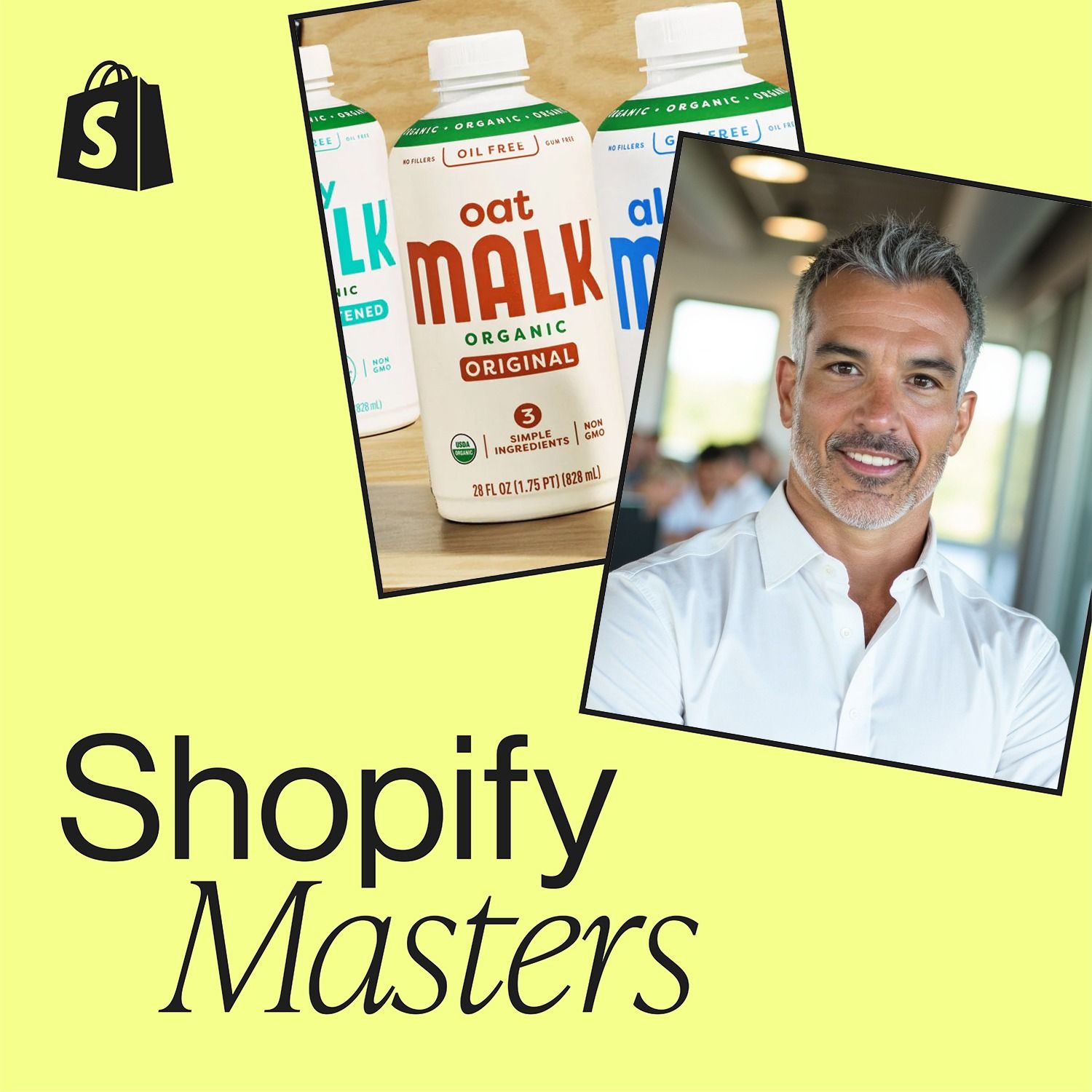
A product's story should be layered. For broad appeal, use simple front-of-pack messages like superior taste and basic health stats. Reserve deeper narratives for dedicated channels like social media or the back of the package to cultivate brand evangelists without confusing new customers.
In crowded retail, packaging is the primary salesperson. Brands like RXBAR won by clearly stating value props (macros, simple ingredients) on the front. A new brand must do the same, highlighting key benefits like "slow burning energy" or "clean carbs" to capture attention instantly.
MadeGood intentionally avoided branding itself solely as an 'allergen-free' product. They focused on great taste first, making the allergen-free aspect a secondary benefit. This prevented non-allergic consumers from self-selecting out and significantly broadened their market appeal.
For those transitioning from biopharma to food tech, the concept of 'efficacy' requires a major mindset shift. While drug efficacy is about clinical outcomes, food efficacy is defined by the consumer's sensory experience—including texture, mouthfeel, aftertaste, and packaging. This is a critical factor for product success.

For a new french fry brand, Jeni Britton advises focusing on deliciousness over its "seed oil-free" attribute. Niche health followers will discover the product on their own, but mass adoption and bringing new customers to the grocery category hinges on superior quality and taste.
Founder Jim Cregan's core philosophy is that a product's success hinges on three elements working in perfect harmony: branding (what it says), packaging (how it feels), and ingredients (how it tastes). If one of these pillars is weak, the entire product fails.

Olipop successfully used the familiar format of soda to introduce prebiotics. This strategy bypasses the difficult task of educating consumers on a new ingredient from scratch, letting the popular product form do the initial work of attracting customers.
To combat the perception of being overly processed, WK Kellogg highlights the simplicity of its products. By marketing that Frosted Flakes has just four natural ingredients, the brand reframes itself to appeal to modern consumers seeking clean labels and transparency.
