Get your free personalized podcast brief
We scan new podcasts and send you the top 5 insights daily.
MadeGood intentionally avoided branding itself solely as an 'allergen-free' product. They focused on great taste first, making the allergen-free aspect a secondary benefit. This prevented non-allergic consumers from self-selecting out and significantly broadened their market appeal.

Related Insights
Companies develop generic, ineffective messaging when trying to appeal to everyone, including hypothetical future personas. Real differentiation is a strategic choice to narrow your focus and clearly define who your product is *not* for.

Strategic communication isn't just about attracting the right people; it's also about efficiently deterring the wrong ones. By using specific imagery and words that appeal only to your niche, you create 'allergies' that filter out those who wouldn't be a good fit, saving everyone time.

For a new french fry brand, Jeni Britton advises focusing on deliciousness over its "seed oil-free" attribute. Niche health followers will discover the product on their own, but mass adoption and bringing new customers to the grocery category hinges on superior quality and taste.
A successful brand 'wedge' isn't a mission statement like 'better ingredients.' It’s a specific, tangible reason—a unique ingredient, a novel form factor—that makes a customer choose you over 47 other options. If you can't state it in a single sentence, you don't have one.

Consumers are trained by food packaging to look for simple, bold 'macros' (e.g., '7g Protein,' 'Gluten-Free'). Applying this concept to non-food items by clearly stating key attributes ('Chemical-Free,' 'Plant-Based') on the packaging can rapidly educate consumers at the point of purchase and differentiate the product.
For brands targeting customers with past negative experiences (e.g., fragrance for the allergy-prone), convincing them a product is safe is a slow process. A better strategy is to create a brand that appeals to everyone, which happens to also serve the niche.
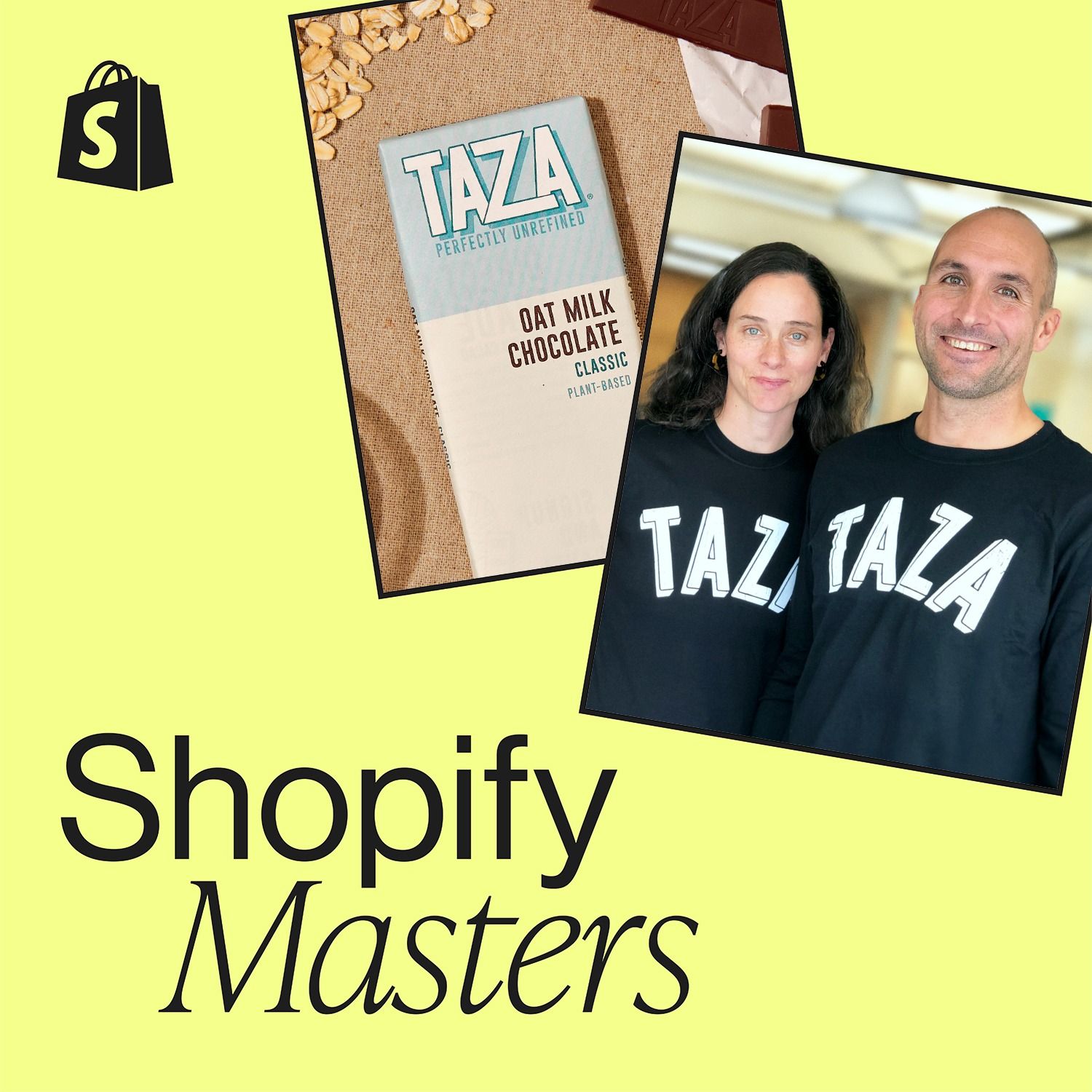
Taza avoided dairy and gluten not for a market trend, but to simplify a complex manufacturing process. This early operational decision inadvertently positioned them perfectly for the future rise of vegan and allergen-free consumer demands, creating a long-term competitive advantage they didn't foresee.
Niching down doesn't limit your market; it clarifies your value proposition for an ideal customer. This extreme specificity about your product's strengths and weaknesses also appeals to a much larger adjacent audience, who can now confidently evaluate your trade-offs and decide to buy.

Instead of using a co-packer, MadeGood built its own factory. This costly move was essential for guaranteeing their 'allergen-free' promise, allowing them to control the entire supply chain and manufacturing process, which provided peace of mind and brand integrity.
Research revealed snacks are a family purchase, not just for kids. MadeGood found 50% of their consuming households had no children, prompting a shift to an 'all-family' brand with portion control for adults. This insight dramatically expanded their addressable market.