Get your free personalized podcast brief
We scan new podcasts and send you the top 5 insights daily.
A product's story should be layered. For broad appeal, use simple front-of-pack messages like superior taste and basic health stats. Reserve deeper narratives for dedicated channels like social media or the back of the package to cultivate brand evangelists without confusing new customers.

Related Insights
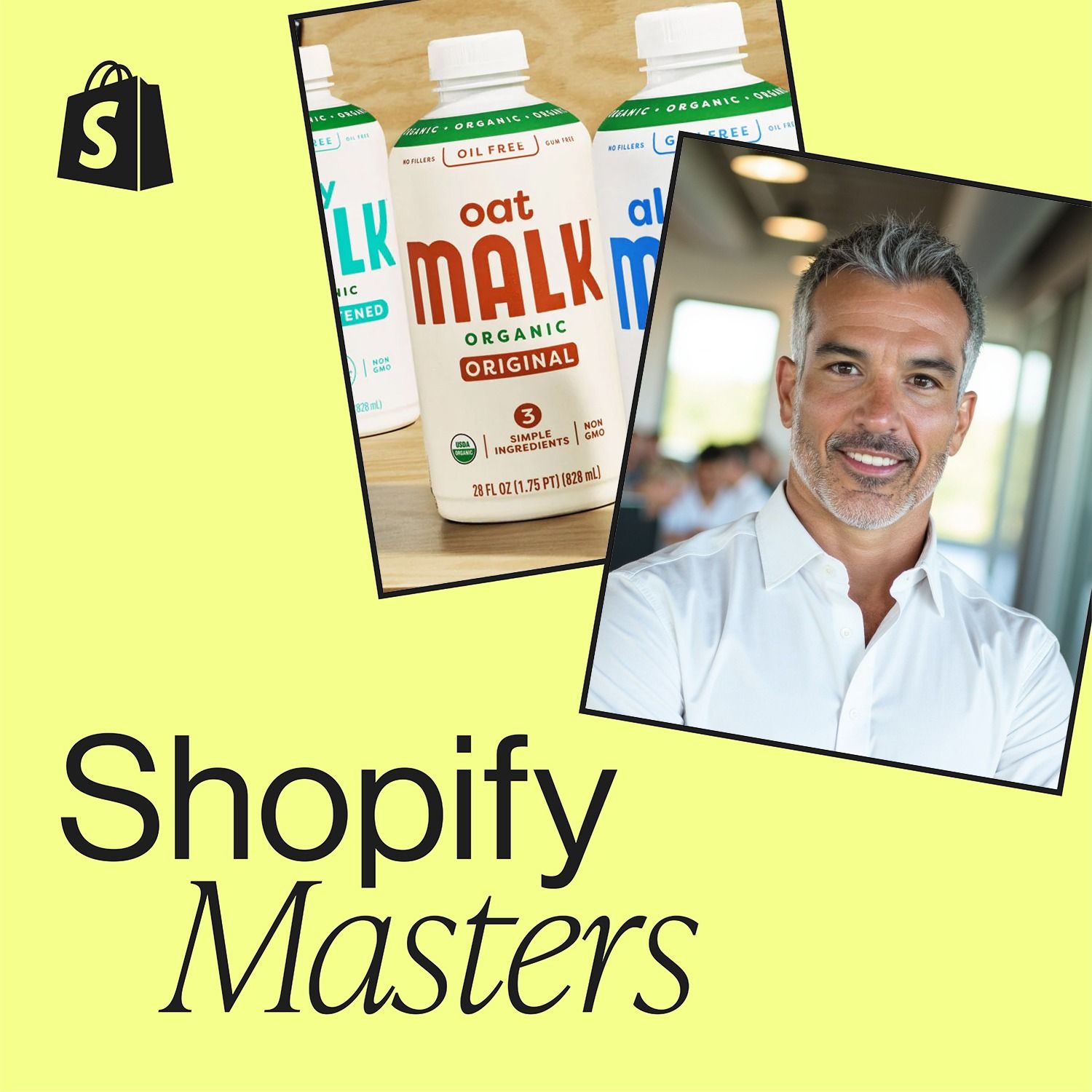
Malk's messaging evolved from focusing on what it lacked (gums, fillers) to highlighting the sensory experience of using the product. Recognizing that taste is paramount, the brand created assets showing the milk being poured into coffee or cereal. This shift from a rational, feature-based message to an emotional, benefit-driven one is key for brand maturation.
Many product launches fail because marketers change core messaging too frequently, confusing both customers and their own sales teams. The key is consistency. Instead of constant overhauls, put creative "wrinkles" on the same core message to maintain brand clarity and impact, just as top consumer brands do.

Hint's marketing SVP argues that packaging is the number one source of impressions for a CPG brand, more than any paid media. It's a walking billboard that people see most often. Therefore, it requires significant investment to ensure it perfectly represents the brand's energy and converts on the shelf.

In crowded retail, packaging is the primary salesperson. Brands like RXBAR won by clearly stating value props (macros, simple ingredients) on the front. A new brand must do the same, highlighting key benefits like "slow burning energy" or "clean carbs" to capture attention instantly.
Olipop's founder advises that for mass-market appeal, the primary focus must be on superior taste. Clear health benefits are secondary, while complex ingredient stories (like the benefits of ghee) should be reserved for brand evangelists, not front-of-pack messaging.
When introducing an unfamiliar concept (like 'Sumo Yoga'), don't make it the primary marketing message. Instead, lead with the compelling, easily understood story of the core product (a natural, superior yoga mat). This reduces customer friction and creates an entry point, allowing you to introduce the broader brand concept later.
A product's package must serve two distinct audiences. The front is for the 'shopper' in the store, designed to grab attention and create appeal. The back is for the 'consumer' at home, providing instructions and ingredients. Brands often fail by confusing these two separate communication jobs.

Elite marketers don't rely on a single origin story. Like a musician with a song repertoire, they curate a collection of brand stories. They then strategically select the most situationally appropriate narrative to resonate with a specific audience, goal, or context.

In an age of information overload, the most effective marketing is extreme simplicity. A brand's ability to instantly communicate its core value on a crowded retail shelf is the key differentiator for winning consumer attention. Achieving this simplicity is a complex strategic task.

Using a storytelling framework, successful product narratives focus 75% on the user's journey: their need, the problem's root cause, and the benefit they receive. The product is only one quarter of the story, positioned as a helpful mentor rather than the central hero, which resonates more strongly with consumers.
