Get your free personalized podcast brief
We scan new podcasts and send you the top 5 insights daily.
For a new french fry brand, Jeni Britton advises focusing on deliciousness over its "seed oil-free" attribute. Niche health followers will discover the product on their own, but mass adoption and bringing new customers to the grocery category hinges on superior quality and taste.

Related Insights
Vaynerchuk is positioning his brand, Very Lucky, around a standard of 'clean' that is far stricter than the current market norm, even among health-focused brands. This 'extreme clean' philosophy, driven by his wife Mona, aims to capture a dedicated audience by having zero compromises on ingredients, creating a powerful point of differentiation in a crowded market.

In the crowded "healthy" food market, simply listing clean ingredients is insufficient. Brands must educate consumers on their unique processes (e.g., stone-milling grains) to demonstrate superior nutritional value and build trust. Framing it as a founder's personal mission adds authenticity.
In crowded retail, packaging is the primary salesperson. Brands like RXBAR won by clearly stating value props (macros, simple ingredients) on the front. A new brand must do the same, highlighting key benefits like "slow burning energy" or "clean carbs" to capture attention instantly.
For those transitioning from biopharma to food tech, the concept of 'efficacy' requires a major mindset shift. While drug efficacy is about clinical outcomes, food efficacy is defined by the consumer's sensory experience—including texture, mouthfeel, aftertaste, and packaging. This is a critical factor for product success.

When launching a polarizing product like plant-based dog food, a defensive "it's just as good" message is insufficient. To win customers and survive, you must confidently articulate why your alternative is superior.
A successful brand 'wedge' isn't a mission statement like 'better ingredients.' It’s a specific, tangible reason—a unique ingredient, a novel form factor—that makes a customer choose you over 47 other options. If you can't state it in a single sentence, you don't have one.

Consumers are trained by food packaging to look for simple, bold 'macros' (e.g., '7g Protein,' 'Gluten-Free'). Applying this concept to non-food items by clearly stating key attributes ('Chemical-Free,' 'Plant-Based') on the packaging can rapidly educate consumers at the point of purchase and differentiate the product.
For brands targeting customers with past negative experiences (e.g., fragrance for the allergy-prone), convincing them a product is safe is a slow process. A better strategy is to create a brand that appeals to everyone, which happens to also serve the niche.
While the founder focused on the "low sugar" aspect, a key buyer at Whole Foods recognized the rising "keto" trend was a more powerful market signal. Changing the packaging to highlight "keto friendly" allowed the brand to tap into a massive consumer movement, driving sales.
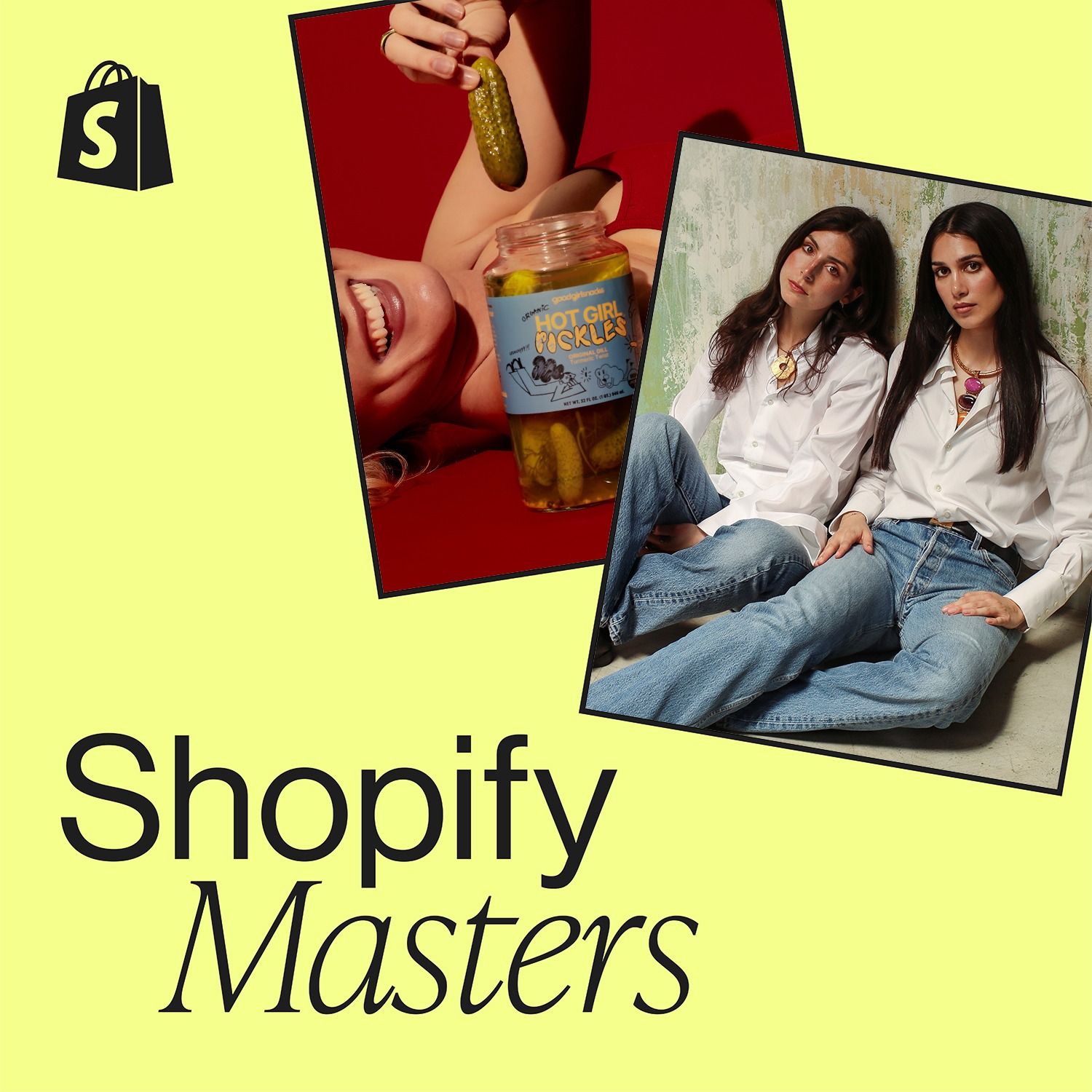
The founders identified a mismatch between the modern, Gen Z pickle consumer on TikTok and the outdated, homogenous branding on store shelves. By targeting a neglected category with bold design and unique flavors, they faced less competition and stood out to both consumers and retail buyers.