Get your free personalized podcast brief
We scan new podcasts and send you the top 5 insights daily.
When hiring for social media roles, prioritize candidates who have successfully built their own public platform. This hands-on experience is a non-negotiable prerequisite for understanding platform nuances, virality, and authentic creator collaboration. A traditional corporate background is insufficient for this specific role, as it lacks proof of practical expertise.

Related Insights
Aspiring social media professionals can bypass traditional career paths. By creating and growing a successful niche fan account ("stan account"), they build a public portfolio that demonstrates their ability to create engaging content and build an audience, attracting recruiters from major brands.

The most effective hires are individuals with the entrepreneurial drive to build their own business but who recognize greater potential in leveraging your company's platform and distribution. This strategy attracts talent that thinks like owners, not employees, and can run their departments autonomously.
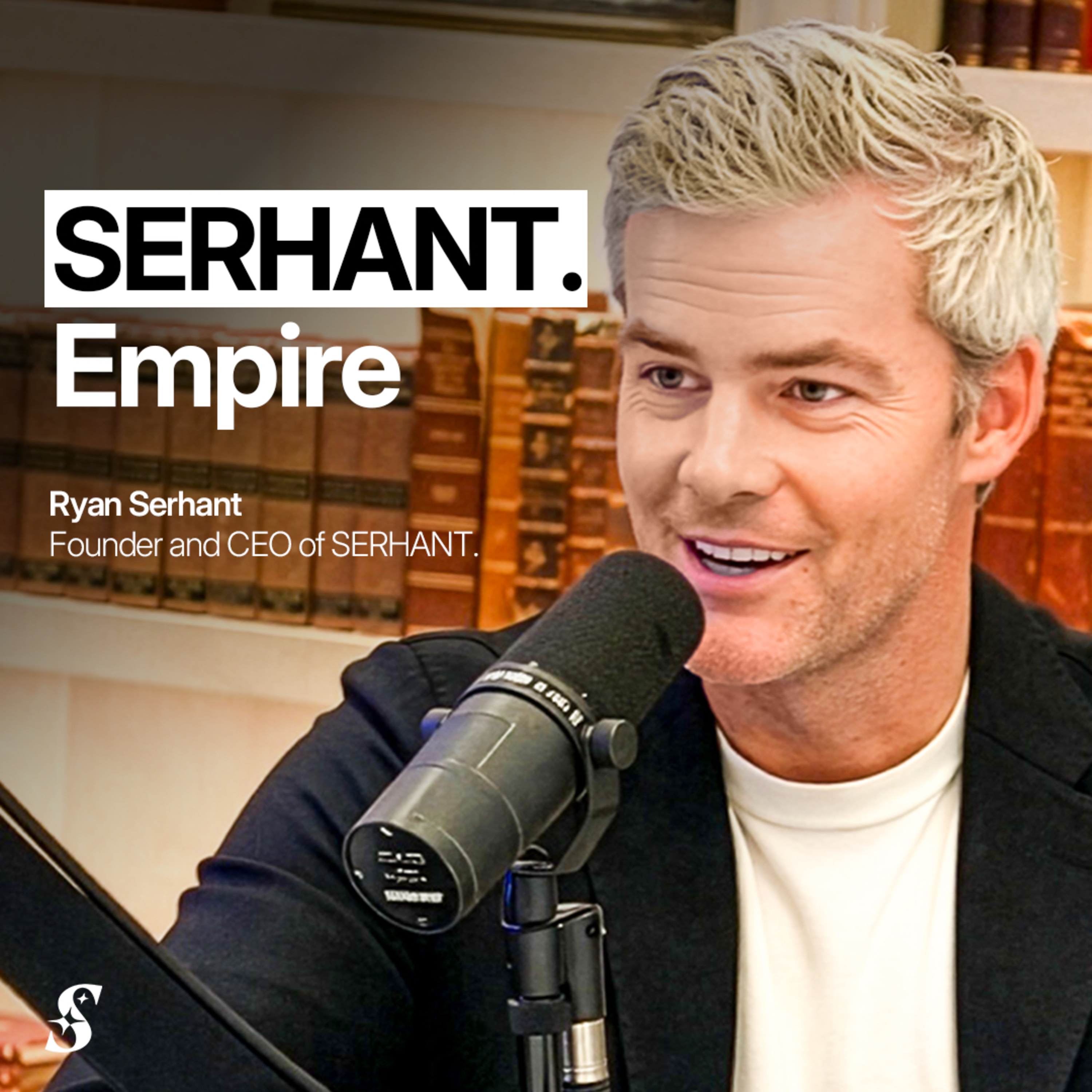
Companies often bring social media management in-house because they perceive it as less serious than traditional advertising. This is a critical error. Driving real business results through social media is far more complex and difficult than replicating the functions of a traditional creative agency for print or TV commercials.

Big Cabal Media intentionally cultivates on-air talent from within, identifying junior employees who resonate with the audience and investing in their growth. They find it more effective than trying to hire established creators, who often prefer to remain independent. This approach turns the media company into a talent incubator, building loyalty and brand-specific stars.

Most hiring funnels start with inbound applicants from job posts, which is the least effective source. Instead, prioritize a five-tier sourcing strategy in this order: 1) Your "squad" (past top performers), 2) internal talent, 3) referrals, 4) outbound sourcing, and only then 5) inbound applicants.

Marketing leaders often fail when hiring for functions they don't deeply understand. Success comes when you've done the job yourself first, like Capsule's marketing lead who ran events before hiring a specialist. This first-hand experience allows you to know precisely what "good" looks like and evaluate candidates effectively.

Before asking for a full-time creator headcount, de-risk the investment. Hire a talented creator on a freelance basis with a small budget. Use their initial viral hits and performance data to build a strong business case for a full-time role and a larger budget.

By explicitly stating a preference for hiring from his audience ("OZ Nation"), Hormozi reveals a powerful recruiting strategy. His content acts as a filter, attracting individuals already aligned with his company's culture and philosophy, creating a high-quality, pre-qualified talent pipeline.

A study of product leadership hiring managers revealed a startling bias: 92% prioritize a candidate's community presence (e.g., LinkedIn posts) over formal product management certifications (favored by only 54%). This incentivizes personal branding over accredited skill development and demonstrated experience.

When building an influencer program, the most authentic and accessible advocates are often internal. Companies should start by identifying and empowering their own C-suite, topic experts, and even rank-and-file employees who have credibility and influence. This forms a strong foundation before expanding to external partnerships.
