Get your free personalized podcast brief
We scan new podcasts and send you the top 5 insights daily.
By explicitly stating a preference for hiring from his audience ("OZ Nation"), Hormozi reveals a powerful recruiting strategy. His content acts as a filter, attracting individuals already aligned with his company's culture and philosophy, creating a high-quality, pre-qualified talent pipeline.

Related Insights
The same marketing funnels used to acquire paying customers can be directly applied to attract and 'close' new employees. This reframes recruiting from a siloed HR function to a core marketing activity, allowing you to leverage skills you already have to build your team.

Your hiring funnel has an ideal customer profile, just like sales. Analyze your top-performing employees to identify common demographics, past experiences, and behaviors. Use this 'avatar' to filter applications and target your sourcing efforts, increasing the likelihood of success for new hires.

Treat hiring as a compounding flywheel. A new employee should not only be a great contributor but also make the company more attractive to future A-players, whether through their network, reputation, or interview presence. This focus on recruiting potential ensures talent density increases over time.
An unexpected benefit of a B2B creator program is its potential as a talent pipeline. Common Room sponsored a creator who became so engaged with the product's value that they later hired him to lead their SDR team. This creates a powerful feedback loop where an authentic evangelist now dogfoods the product and leads a core GTM function.

Big Cabal Media intentionally cultivates on-air talent from within, identifying junior employees who resonate with the audience and investing in their growth. They find it more effective than trying to hire established creators, who often prefer to remain independent. This approach turns the media company into a talent incubator, building loyalty and brand-specific stars.

Instead of manually building a network, Eric Coffey uses his YouTube channel and 25,000-person email list to source subcontractors. By establishing himself as an authority, he can simply ask his audience for recommendations, tapping into a vast, pre-vetted talent pool on demand.
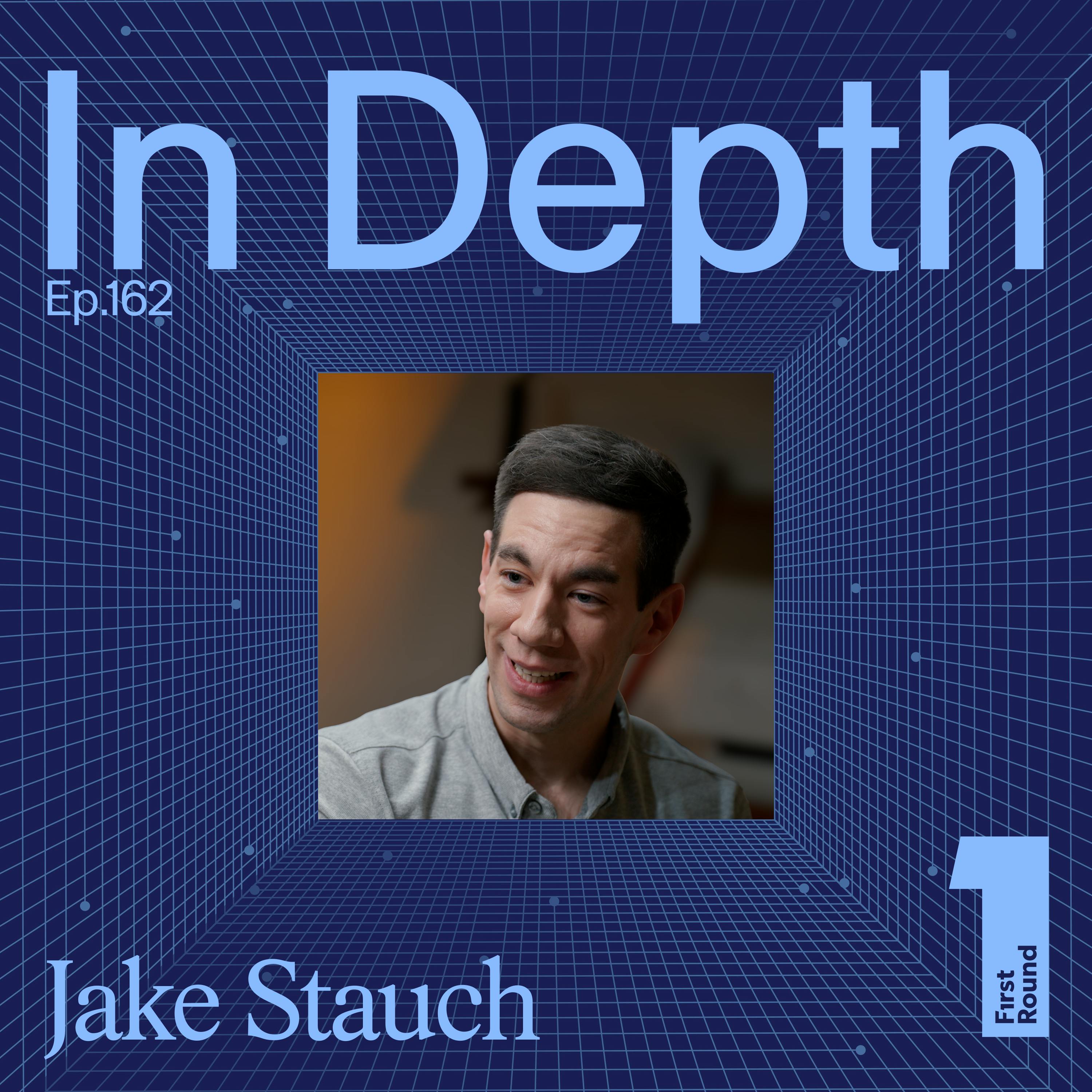
Exceptional individuals often publish their thoughts online. By reading their content, you can assess their thinking, expertise, and confluence of ideas, making a traditional interview redundant. This allows you to move decisively when you find a match, as when the speaker hired his Opendoor cofounder on the spot.
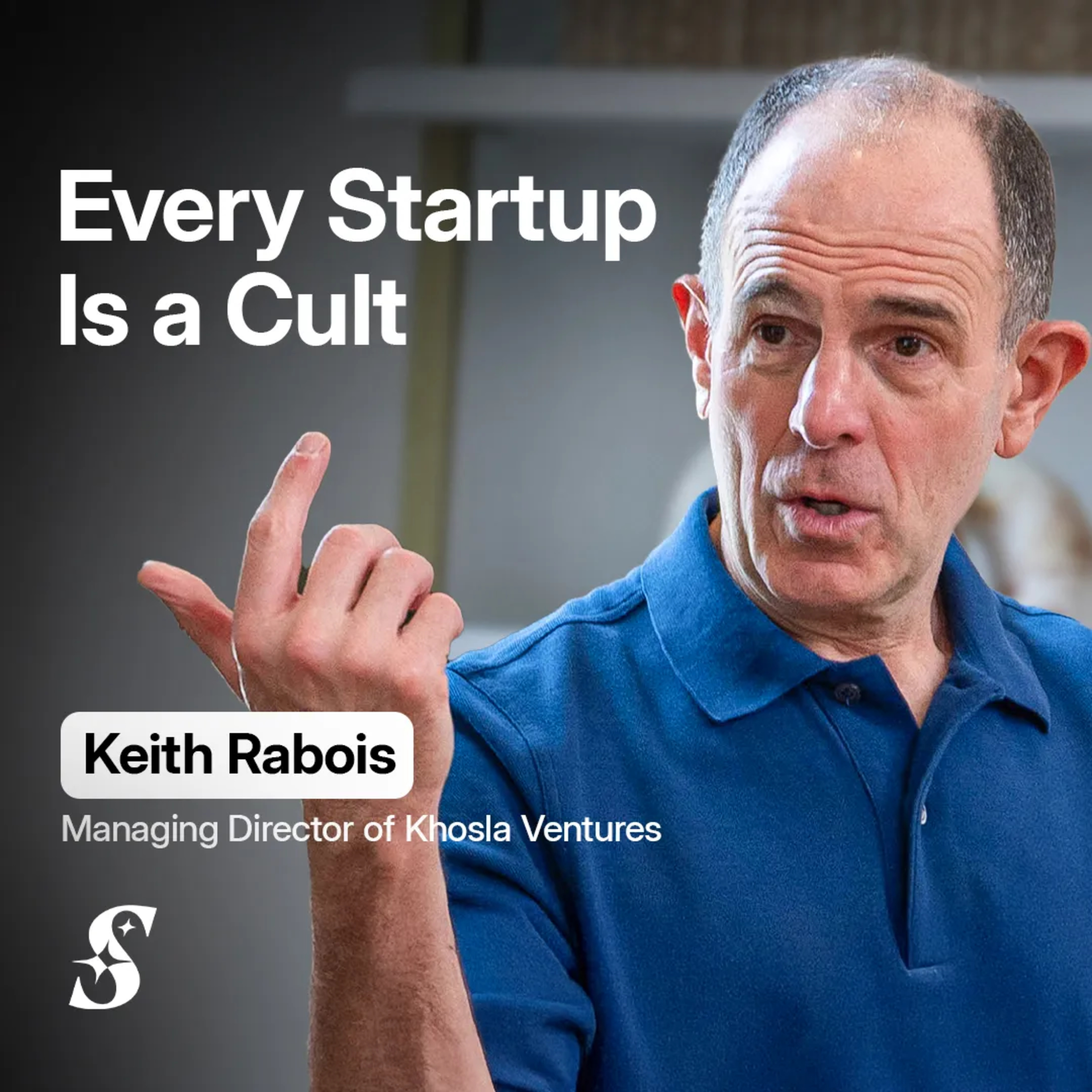
When contractors complain they can't find good people, it's often a culture problem, not a talent shortage. A great workplace turns existing employees into recruiters who attract other high-quality talent from their networks, creating a self-sustaining recruitment pipeline.

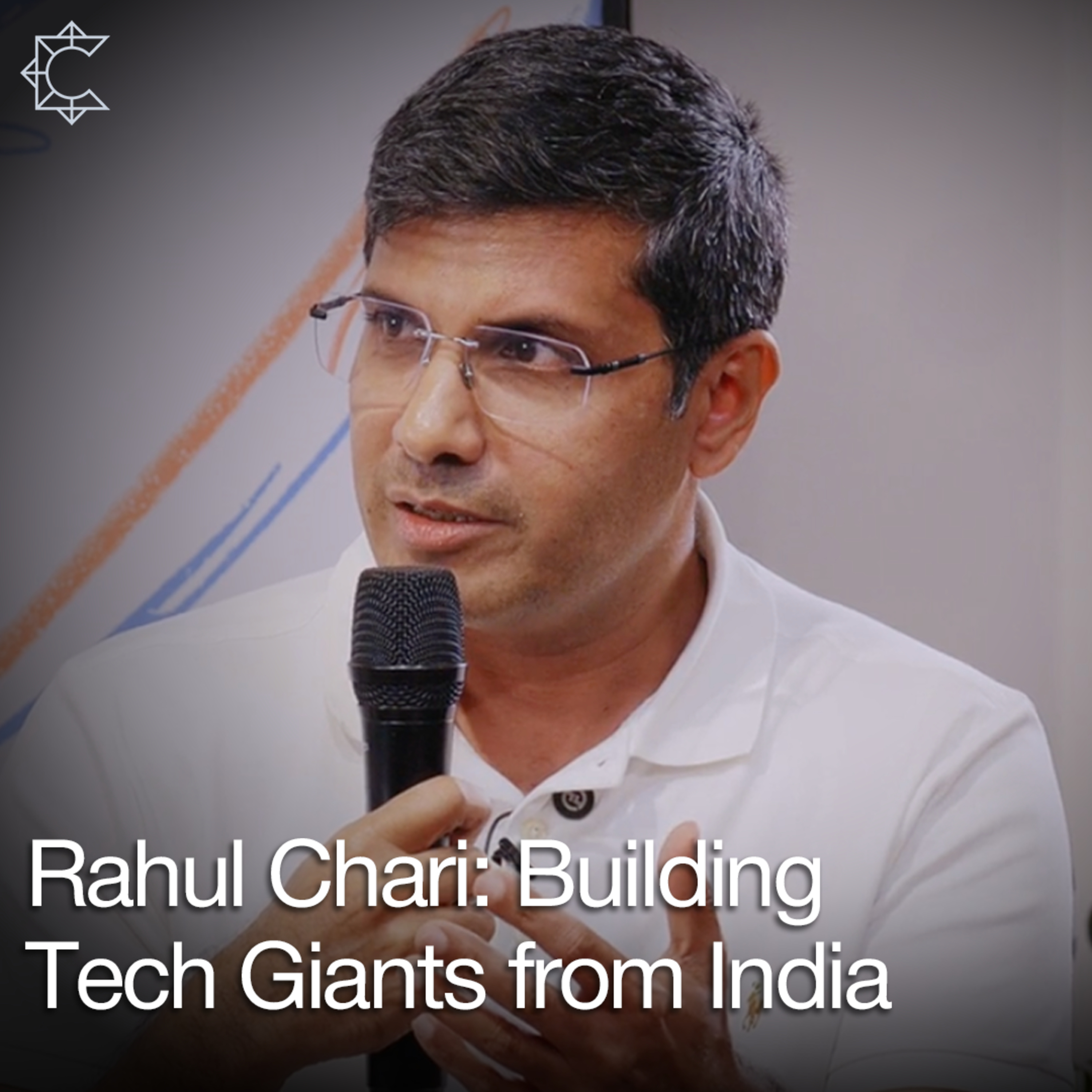
PhonePe de-risked its crucial early hires by exclusively recruiting former colleagues from Flipkart or people who had worked directly with those colleagues. This "homecoming" strategy ensured a high-trust, high-performance team from day one, bypassing traditional interview processes.
Instead of recruiting for a job spec, Cursor identifies exceptional individuals and "swarms" them with team attention. If there's mutual interest, a role is created to fit their talents. This talent-first approach, common in pro sports, prioritizes acquiring top-tier people over filling predefined needs.