Get your free personalized podcast brief
We scan new podcasts and send you the top 5 insights daily.
Patients, particularly women, feel pressure to be agreeable and not "difficult." This fear prevents them from sharing crucial symptoms or asking tough questions to avoid being labeled a problem patient, which can ultimately lead to them receiving suboptimal care.

Related Insights
There's a fine line between seeking support and feeling like you're burdening others or making an illness your entire personality. This self-consciousness causes many with chronic health issues to suffer in silence rather than appear to be a 'shit hang.'

Society teaches women to be perfect in all roles, including as patients. This pressure causes them to blame themselves for negative, misogynistic, or racist healthcare experiences, rather than recognizing systemic failures. The first step to better care is abandoning the need to be a "perfect patient."

The societal message that women should be quieter or less bold is a historical strategy for control. This fear is rooted in the perceived "safety" of conforming to unnatural, prescribed roles, making women believe the problem is with them, not the system.

To combat the chronic undertreatment of women's pain, patients should move beyond the abstract 1-10 pain scale. Instead, anchor the feeling to a concrete, relatable experience (e.g., "This hurts more than when I broke my foot" or "stepping on a Lego"). This makes the pain less subjective and harder for providers to dismiss.
Physician Lisa Fitzpatrick argues that much misinformation isn't nefarious. It arises when patients are too embarrassed to admit they don't understand complex medical information. They then construct their own narratives using sources they trust. This reframes the problem from fighting deception to prioritizing clear, shame-free communication and building trust.

As many as 80% of patients hide information from their doctors due to shame. This can have life-threatening consequences, with documented cases of patients nearly undergoing unnecessary appendectomies to avoid admitting drug use or risking fatal bleeding rather than disclosing the use of weight-loss supplements.
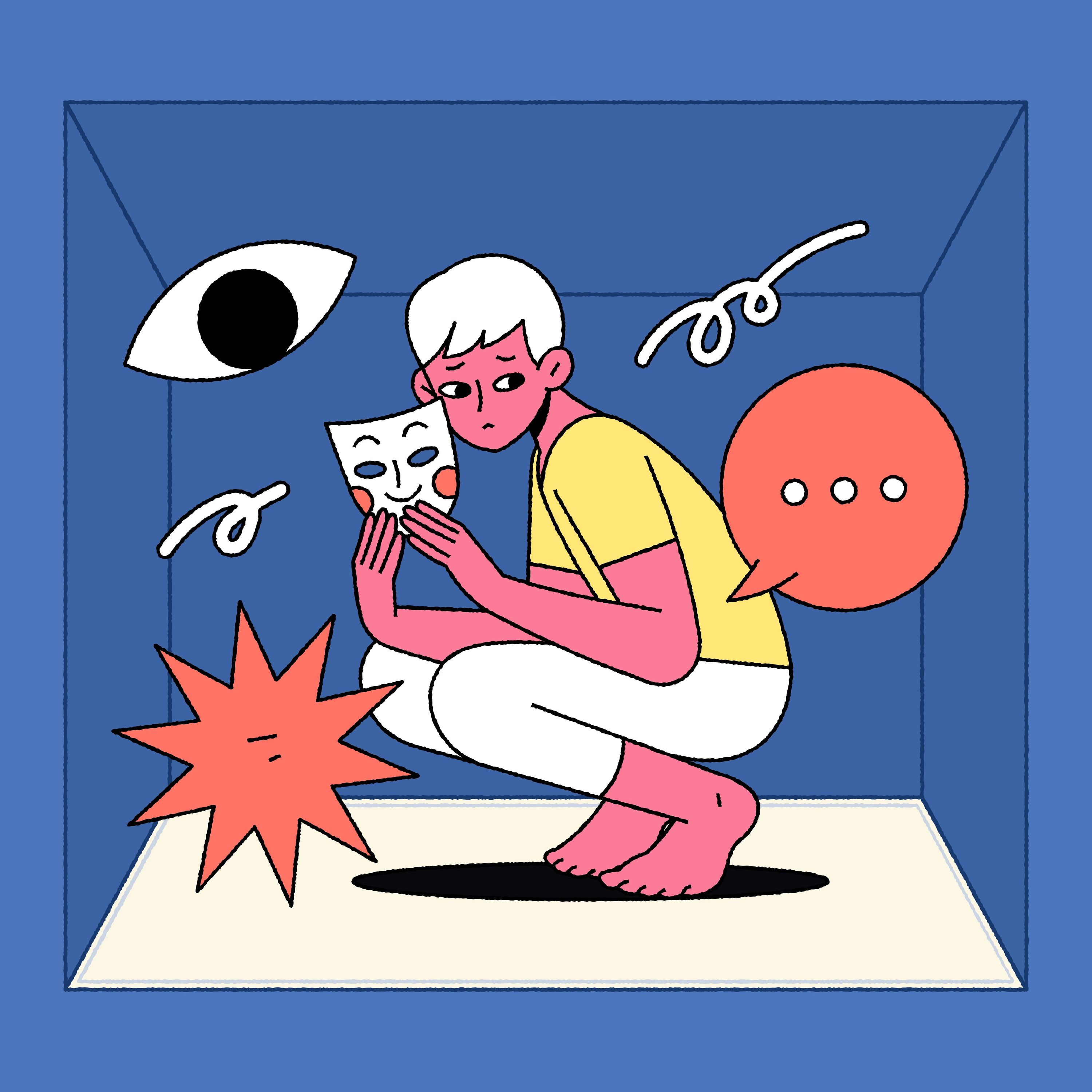
Moorjani's upbringing was defined by intense cultural pressure: gender disparity, arranged marriage, and subservience. This constant effort to fit in and please others created a foundational state of low self-esteem and fear, which she identifies as the direct root cause of her cancer.

Women are socialized to be "perfect patients," which Anousheh Hossain argues is dangerous. This mindset leads them to internalize blame for systemic healthcare failures like racism and misogyny, placing the onus on the individual instead of the flawed system and preventing accountability.
The societal pressure on cancer patients to be "warriors" is harmful. It creates an expectation of constant strength, leading to overwhelming guilt and shame when patients feel weak or scared, suppressing genuine emotional expression needed for mental health.

To overcome a patient's fear of being judged, a provider can directly invite honesty. Asking questions like "What are you afraid to tell me?" or "What would you say if there was no judgment?" creates psychological safety, encouraging patients to share information they might otherwise withhold.