Get your free personalized podcast brief
We scan new podcasts and send you the top 5 insights daily.
Physician Lisa Fitzpatrick argues that much misinformation isn't nefarious. It arises when patients are too embarrassed to admit they don't understand complex medical information. They then construct their own narratives using sources they trust. This reframes the problem from fighting deception to prioritizing clear, shame-free communication and building trust.

Related Insights
Research from Duncan Watts shows the bigger societal issue isn't fabricated facts (misinformation), but rather taking true data points and drawing misleading conclusions (misinterpretation). This happens 41 times more often and is a more insidious problem for decision-makers.
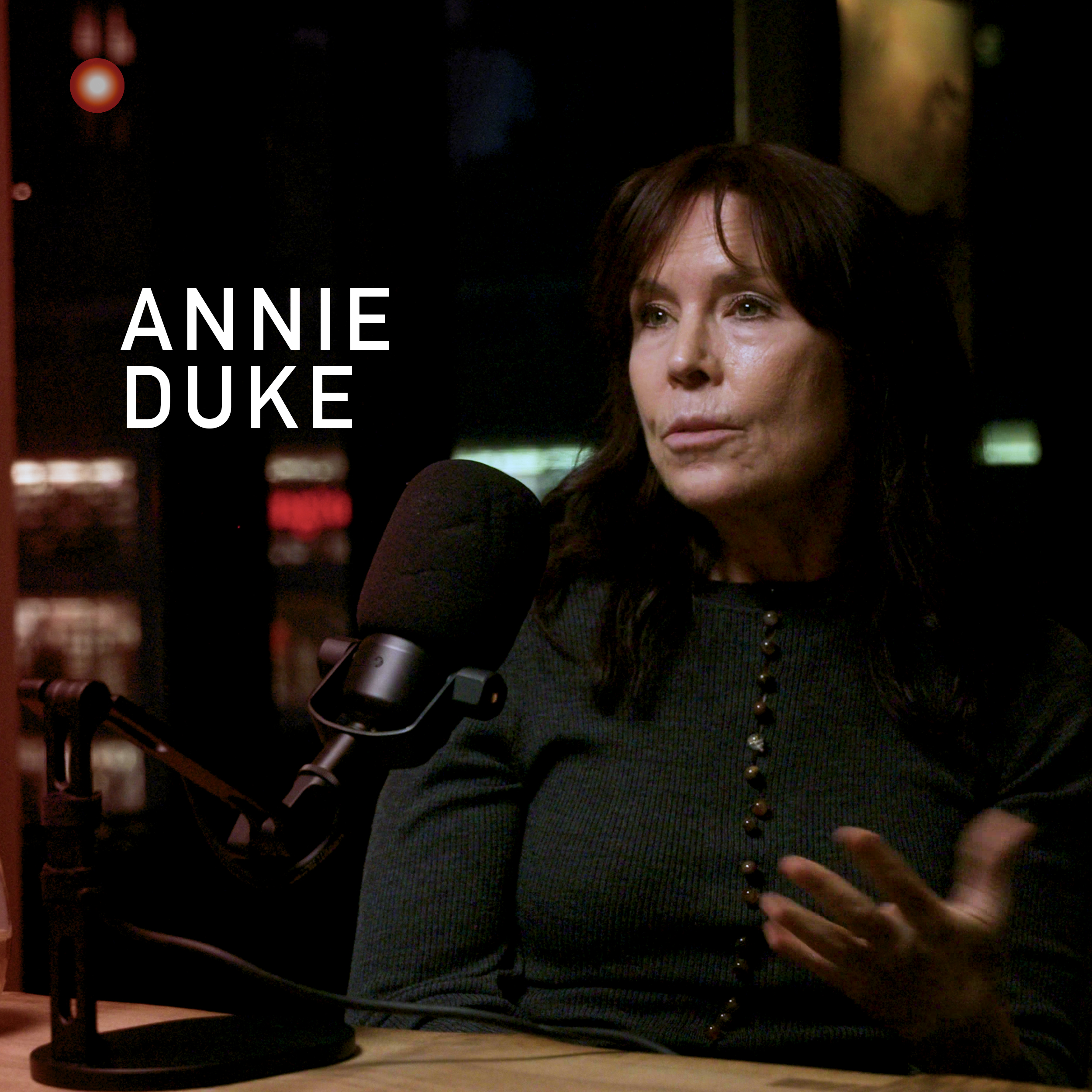
Nuanced health discussions are lost on social media algorithms that reward extreme takes. While more experts should engage, the long-term solution is to build new platforms, likely AI-driven, that prioritize substance over engagement and aren't designed to exploit our primitive impulses for profit.

Dr. Solanki shares that in conversations with the public, he regularly encounters misinformation, like "Is pharma holding back the cure for cancer?". This highlights a critical and persistent reputation challenge for the industry that scientific leaders must be prepared to address directly and patiently, rather than ignoring.

Contrary to the "crisis of trust" narrative, global surveys show consistently high public confidence in scientists. The real challenge is a crisis of influence, where the scientific voice is drowned out in a media ecosystem dominated by emotionally compelling anecdotes and misinformation, especially on social media.

Contrary to the idea of purely cynical manipulators, most gurus and misinformation spreaders seem to genuinely believe what they're selling. This self-delusion, often fueled by narcissism or pattern-seeking, makes their message more compelling and authentic to their audience than a calculated lie would be.
Instead of viewing the doctor as the ultimate authority, Anousheh Hossain urges patients to see healthcare as a team effort. In this model, the patient is the primary expert on their own body and symptoms, while the doctor acts as an important but replaceable consultant on that team.

The overwhelming and often contradictory advice in the health space is not an accident. This confusion paralyzes individuals, preventing them from adopting simple health strategies. This state of confusion benefits a healthcare system that profits from long-term illness and symptom management rather than root-cause solutions.
As many as 80% of patients hide information from their doctors due to shame. This can have life-threatening consequences, with documented cases of patients nearly undergoing unnecessary appendectomies to avoid admitting drug use or risking fatal bleeding rather than disclosing the use of weight-loss supplements.
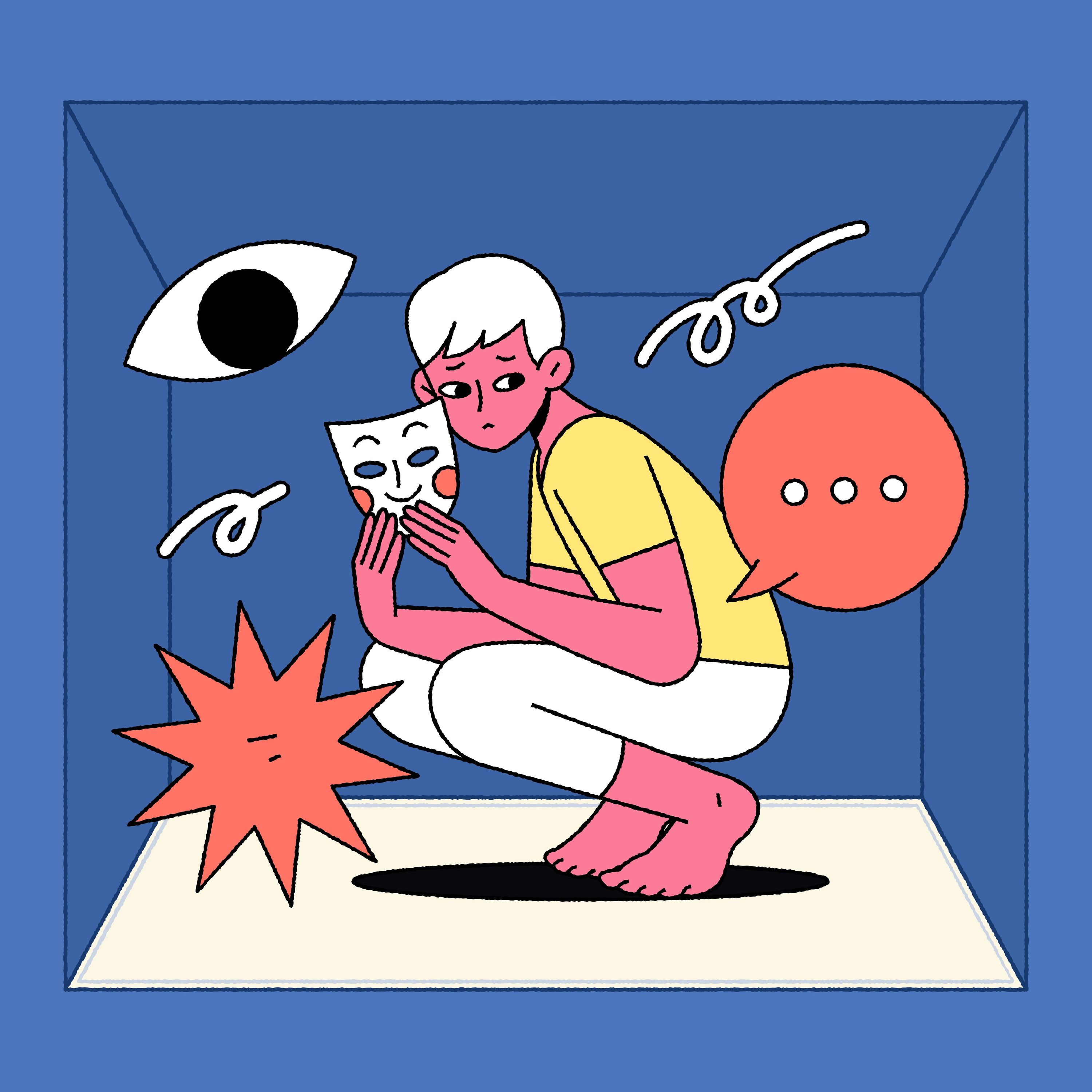
To effectively address vaccine hesitation, one must understand its historical roots, like rare but real 19th-century contaminations. Dismissing deep-seated fears with current safety statistics is counterproductive. Acknowledging past failures builds trust and allows for a more persuasive conversation about modern vaccine safety.
While providing information is key, patient-centric care means recognizing that not every patient wants all the details of their disease. The ultimate empowerment is giving patients the agency to choose their level of involvement, including the option to trust their medical team without deep engagement.