Get your free personalized podcast brief
We scan new podcasts and send you the top 5 insights daily.
The societal pressure on cancer patients to be "warriors" is harmful. It creates an expectation of constant strength, leading to overwhelming guilt and shame when patients feel weak or scared, suppressing genuine emotional expression needed for mental health.
Related Insights
Christian Howes argues that a major barrier to emotional health for men is the cultural taboo against even acknowledging feelings like fear, shame, and guilt. Simply giving these emotions a name creates the necessary permission to begin processing them.

Post-traumatic stress from cancer should be understood as a physical condition, not just a mental state. It is a panic disorder that keeps the body in a constant state of "fight or flight," requiring physical and nervous system-focused interventions beyond traditional talk therapy.
Society teaches women to be perfect in all roles, including as patients. This pressure causes them to blame themselves for negative, misogynistic, or racist healthcare experiences, rather than recognizing systemic failures. The first step to better care is abandoning the need to be a "perfect patient."

The strong cultural expectation in America to find a positive outcome from adversity (a "redemption story") can be harmful. This "master narrative" can pressure those experiencing trauma, like a severe illness, to invent a positive spin, leading to feelings of failure and isolation if they cannot.
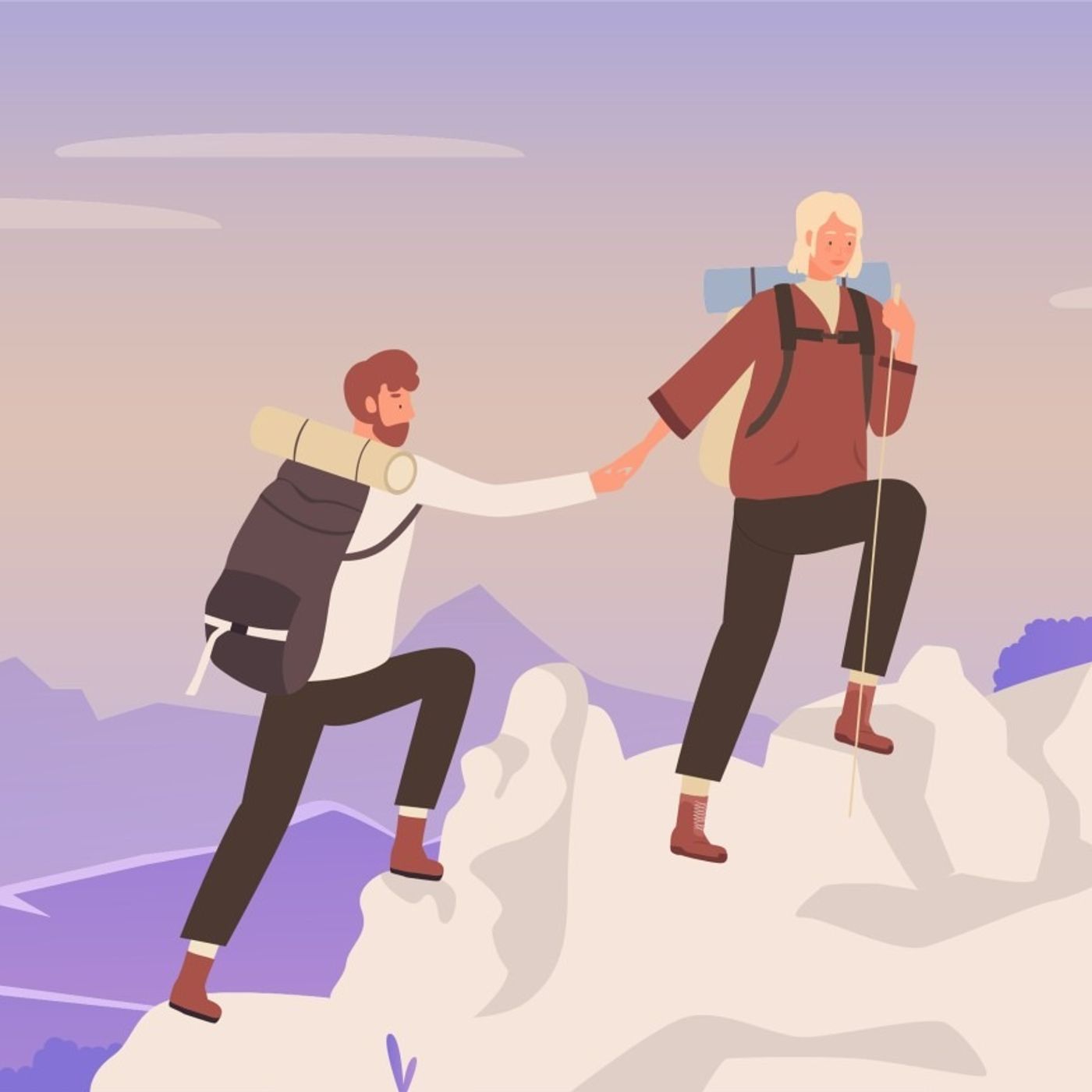
The industry often portrays patients at two extremes: suffering victims or happily cured heroes. This binary view is dehumanizing and prevents marketers from seeing them as complete individuals, leading to campaigns and support programs that fail to resonate with their real lives.

Forcing positivity on someone suffering invalidates their authentic feelings of fear, anger, and grief. This "toxic positivity" creates pressure to perform as a "graceful patient," preventing the honest conversations needed to process trauma and isolation. True support makes space for the "uglier aspects" of an experience.

The power of patient communities is hearing others articulate the "deep, shameful thoughts" one believes are unique and unacceptable. This external validation breaks the cycle of isolation and self-judgment, confirming that difficult feelings are a normal part of the experience.
Patients are often unprepared that finishing active treatment or achieving "no evidence of disease" is not the end of their struggle. Survivorship introduces a distinct phase of challenges, including managing long-term side effects, PTSD, and fear of recurrence, which requires different support.
Well-intentioned language that labels sick children as 'warriors' or 'superheroes' creates pressure for them to be constantly brave. This can suppress their ability to express natural and valid feelings of fear, anger, and sadness, which is detrimental to their mental health.
Shame evolved as a powerful social control mechanism essential for tribal survival. In the modern world, this ancient, automatic emotional response becomes maladaptive, creating a significant barrier to processing personal trauma effectively.
