Get your free personalized podcast brief
We scan new podcasts and send you the top 5 insights daily.
Investor Morgan Samet believes the number one threat to future U.S. technological leadership is not foreign competition, but self-inflicted policies that hinder talent attraction. The U.S.'s "most valuable asset" is its status as a "melting pot" for the world's best minds, and ceding that advantage would be a critical failure.

Related Insights
As the U.S. tightens immigration for skilled workers, innovation may shift to countries with more welcoming policies. This macroeconomic trend presents a personal finance strategy: diversifying portfolios with international ETFs to capture growth in emerging tech hubs and hedge against a potential decline in U.S. competitiveness.

The U.S. has a unique global advantage in attracting the world's most brilliant minds, akin to getting the top draft pick in sports every year. However, current restrictive policies turn this talent away, sending them to competitor nations and stunting American innovation.

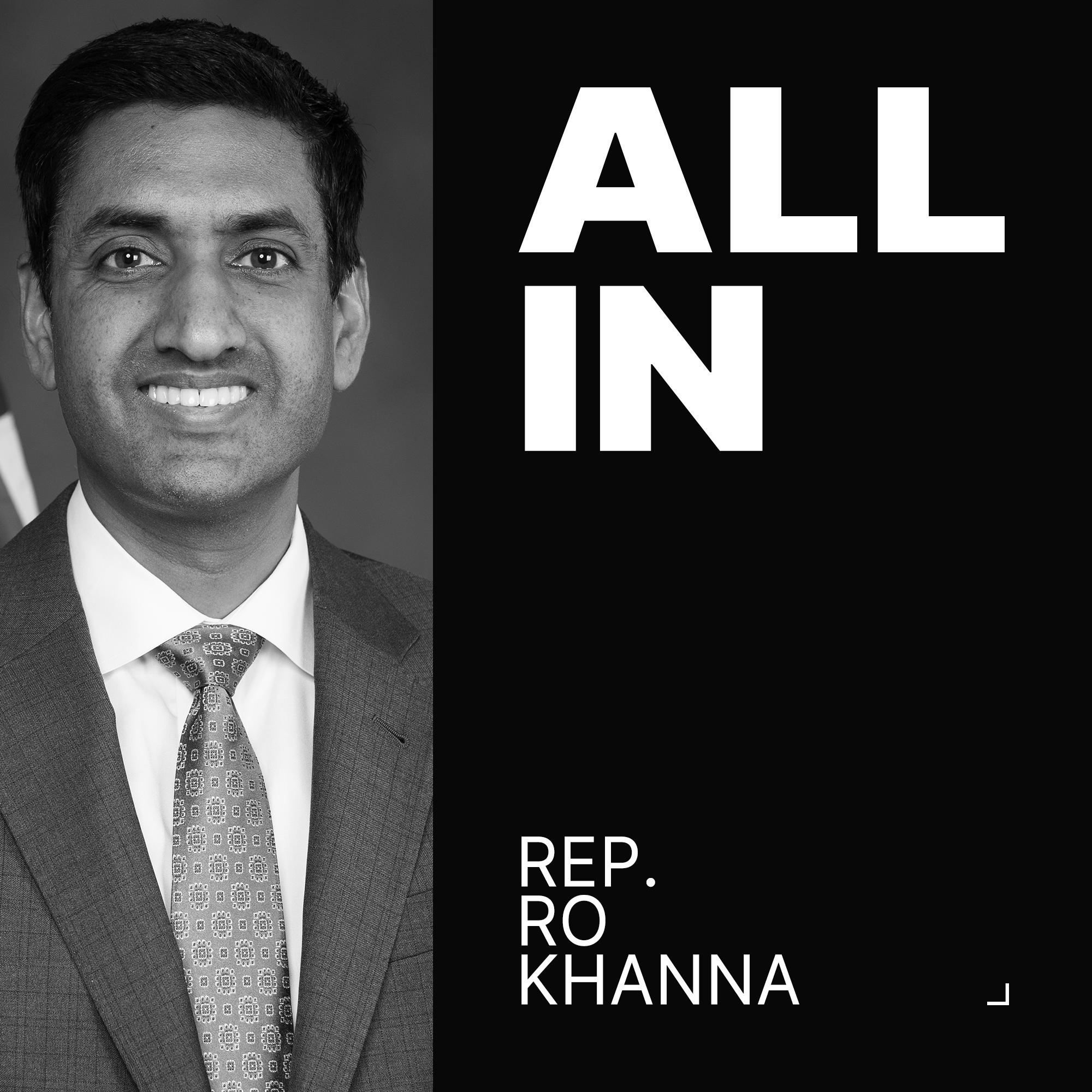
To retain top talent and prevent exploitation, Ro Khanna advocates an accelerated path to green cards for H-1B visa holders. This gives individuals labor mobility and market wages, while preventing them from returning to countries like China or India and fueling competitor economies.
While compute and capital are often cited as AI bottlenecks, the most significant limiting factor is the lack of human talent. There is a fundamental shortage of AI practitioners and data scientists, a gap that current university output and immigration policies are failing to fill, making expertise the most constrained resource.

International students are a massive, high-margin revenue source for the U.S. economy, bringing in billions through tuition, housing, and spending. Capping their numbers is economically foolish, sacrificing not only direct revenue but also the long-term soft power and talent pipeline they represent.

The U.S. generates 25% of global GDP and holds 45% of science Nobel prizes with under 5% of the world's population. This is not an accident but a direct outcome of a system prioritizing individual liberty. This freedom acts as a gravitational pull for global talent and enables the 'permissionless innovation' that drives economic and scientific breakthroughs.
The economic cost of zero-migration policies isn't just the loss of immigrant talent, but also the loss of their "spillover effects." Research shows immigrant innovators significantly boost the productivity and output of their native-born colleagues. A third of US innovation, measured by patents, is attributed to immigrants and these crucial collaborative spillovers.

Attempting to hoard technology like a state secret is counterproductive for the US. The nation's true competitive advantage has always been its open society, which enables broad participation and bottom-up innovation. Competing effectively, especially in AI, means leaning into this openness, not trying to emulate closed, top-down systems.

Beyond immediate labor supply issues, restrictive immigration policies, such as for H-1B visas and students, could have pernicious, long-term negative effects on US productivity. By limiting access to high-skilled talent, these policies threaten the country's technological edge and overall trend growth.

Jensen Huang powerfully reframes the "China hawk" identity, labeling it a "badge of shame." He argues that while proponents believe they are protecting the US, their rhetoric actively damages the "American Dream" brand, deterring the world's best talent from coming to America and thus undermining its greatest competitive advantage.
