Get your free personalized podcast brief
We scan new podcasts and send you the top 5 insights daily.
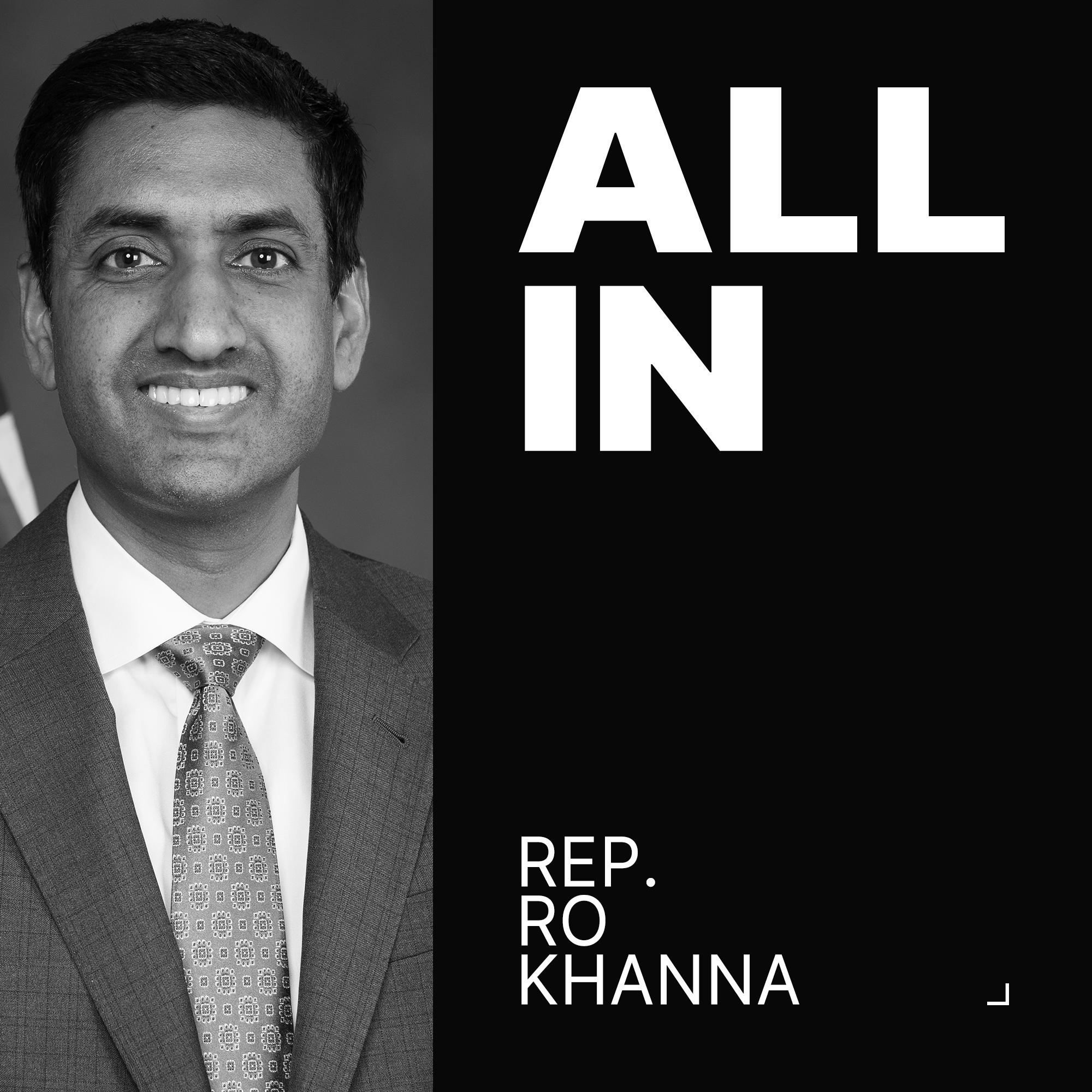
To retain top talent and prevent exploitation, Ro Khanna advocates an accelerated path to green cards for H-1B visa holders. This gives individuals labor mobility and market wages, while preventing them from returning to countries like China or India and fueling competitor economies.
Related Insights
Beyond its long-term growth benefits, rational immigration policy can be a powerful short-term tool against inflation. By addressing labor shortages in critical sectors like construction, agriculture, and elder care, an increased and targeted immigrant workforce can directly reduce cost pressures on essential goods and services.

As the U.S. tightens immigration for skilled workers, innovation may shift to countries with more welcoming policies. This macroeconomic trend presents a personal finance strategy: diversifying portfolios with international ETFs to capture growth in emerging tech hubs and hedge against a potential decline in U.S. competitiveness.

The U.S. has a unique global advantage in attracting the world's most brilliant minds, akin to getting the top draft pick in sports every year. However, current restrictive policies turn this talent away, sending them to competitor nations and stunting American innovation.

Progressive Democrat Ro Khanna concurs with Trump's goal of reforming H-1B visas to curb abuse by IT outsourcing firms. He argues against blanket fees, which hurt startups, and instead advocates for enforcing a prevailing wage standard to ensure visas go to truly high-skilled talent.
To compete with China in manufacturing, the US can't rely on labor volume but on productivity from AI and robotics. This requires eliminating the friction of distance between R&D talent (in the Bay Area) and factory floors, making talent-proximate manufacturing parks a strategic necessity.

The American Competitiveness and Workforce Improvement Act (ACWIA) mandates a fee within each H-1B application. This money is specifically used by the Department of Labor to fund training for U.S. workers in technology and other high-demand fields, directly linking the hiring of foreign talent to upskilling the domestic workforce.
The US labor market is stuck in a 'low hire, low fire' mode, preventing a more robust recovery. This stagnation is not from a lack of demand but is directly attributed to the combined effects of restrictive immigration controls and the lingering impact of tariffs, which suppress hiring activity and consumer purchasing power.

Data from 2004-2023 reveals low unemployment in occupations that heavily utilize H-1B visas, such as tech and engineering. This suggests that foreign workers are filling a talent gap rather than displacing a large number of available American workers, challenging the narrative that immigration is a primary cause of job loss in these sectors.
Beyond immediate labor supply issues, restrictive immigration policies, such as for H-1B visas and students, could have pernicious, long-term negative effects on US productivity. By limiting access to high-skilled talent, these policies threaten the country's technological edge and overall trend growth.
Jensen Huang powerfully reframes the "China hawk" identity, labeling it a "badge of shame." He argues that while proponents believe they are protecting the US, their rhetoric actively damages the "American Dream" brand, deterring the world's best talent from coming to America and thus undermining its greatest competitive advantage.
