Get your free personalized podcast brief
We scan new podcasts and send you the top 5 insights daily.
The West's reaction to oppression is often dictated not by the severity of the human rights abuses, but by the skin color of the oppressor. The left often enters a state of "moral paralysis" and muted outrage when oppressors are brown, saving its primary condemnation for white or Israeli actors.
Related Insights
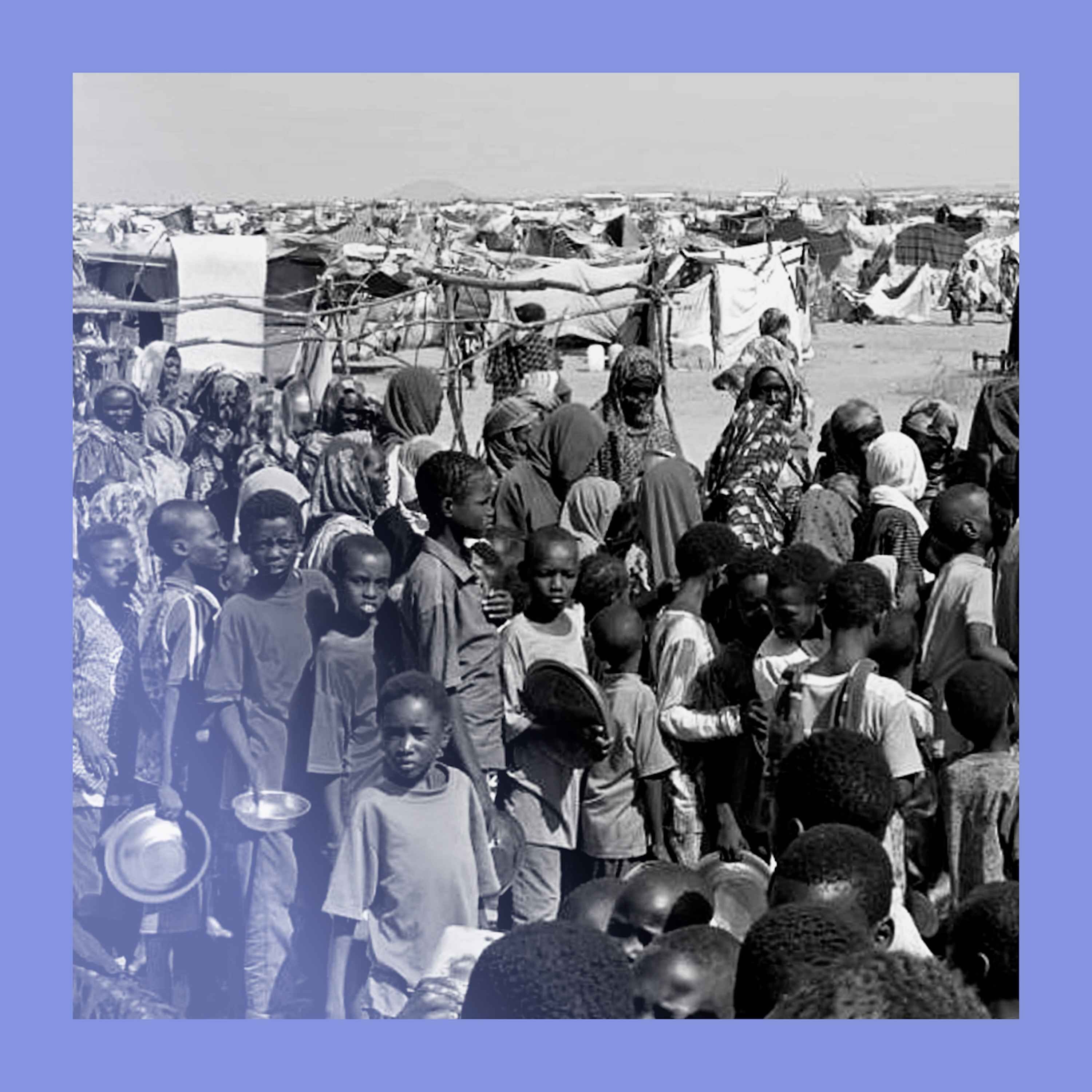
Despite clear evidence of massacres in El Fashir, the international response is muted compared to the celebrity-driven campaigns of the mid-2000s. Fractured media attention and the proliferation of global conflicts make it harder to sustain collective outrage for any single crisis.
History’s most shocking atrocities are defined less by their authoritarian leaders and more by the 'giant blob of enablers' who facilitate them. The current political climate demonstrates this, where professionals and politicians abdicate their expertise and principles to avoid conflict, becoming complicit in the process and allowing destructive ideologies to gain power.
Rather than taking a "holier than thou" stance and refusing to engage with governments that have committed atrocities, it is more effective to build bridges. Cooperation invites them into the 21st century and aligns them with your values, whereas isolationism is counterproductive.

A fringe element of the political right is beginning to mirror the 'woke left' by adopting similar tactics. This includes a focus on identity-based victimhood narratives and a preference for destroying and deplatforming opponents rather than engaging them in genuine debate.

Resistance to mass immigration is often mislabeled as racism when it's a defense of cultural uniqueness. The core fear is that blending all cultures creates a bland 'beige' monolith, ultimately allowing the most aggressive and cohesive incoming culture to dominate.

The hosts argue that progressive media and activists are morally paralyzed, failing to adequately cover human rights abuses in places like Iran. This happens because the oppressors are not white, leading to a disproportionately muted response.

John McWhorter argues that seemingly separate cultural flashpoints—from the George Floyd protests to campus support for Hamas—are driven by the same core ideology. This worldview prioritizes battling perceived power imbalances, especially related to 'whiteness,' above all other considerations, including reason or facts.
This concept describes a psychological state where empathy is completely withdrawn from an "out-group." This allows individuals to justify and even celebrate violence against perceived enemies, seeing it not as murder but as a necessary and righteous act in service of their in-group.

Proponents of engaging with regimes like Saudi Arabia often pivot from specific moral criticisms (e.g., murdering journalists) to comparative flaws in Western democracies (e.g., gun violence). This "whataboutism" is a rhetorical strategy to reframe the debate and justify actions by implying moral equivalence.

When moderate leaders respond to radical actions with tepid statements instead of decisive opposition, they grant tacit approval. Their lack of a strong reaction acts as a "weather vane for normies," signaling to average citizens that the behavior is acceptable.
