Get your free personalized podcast brief
We scan new podcasts and send you the top 5 insights daily.
The hosts argue that progressive media and activists are morally paralyzed, failing to adequately cover human rights abuses in places like Iran. This happens because the oppressors are not white, leading to a disproportionately muted response.

Related Insights
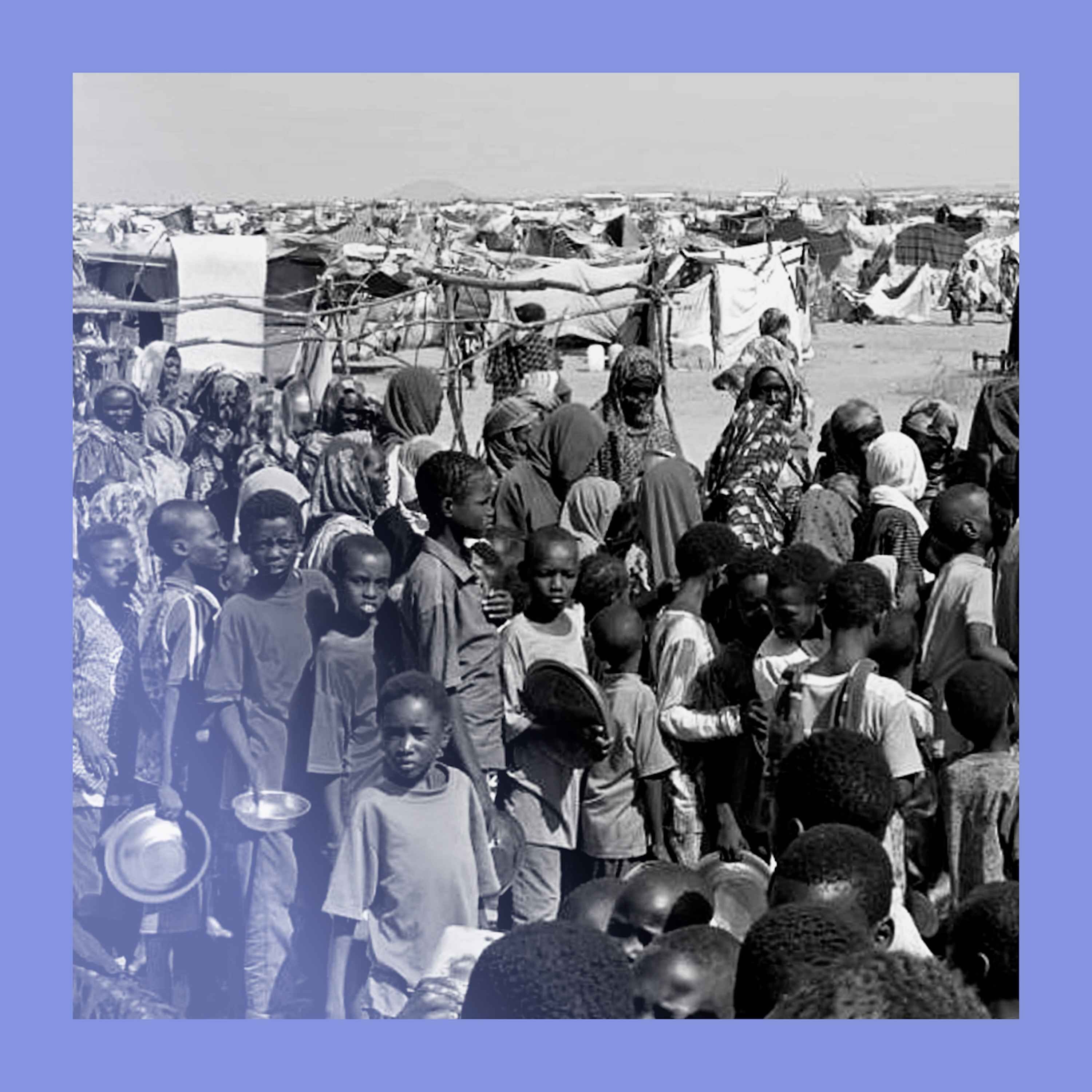
Despite clear evidence of massacres in El Fashir, the international response is muted compared to the celebrity-driven campaigns of the mid-2000s. Fractured media attention and the proliferation of global conflicts make it harder to sustain collective outrage for any single crisis.
History’s most shocking atrocities are defined less by their authoritarian leaders and more by the 'giant blob of enablers' who facilitate them. The current political climate demonstrates this, where professionals and politicians abdicate their expertise and principles to avoid conflict, becoming complicit in the process and allowing destructive ideologies to gain power.
Rather than taking a "holier than thou" stance and refusing to engage with governments that have committed atrocities, it is more effective to build bridges. Cooperation invites them into the 21st century and aligns them with your values, whereas isolationism is counterproductive.

Former journalist Natalie Brunell reveals her investigative stories were sometimes killed to avoid upsetting influential people. This highlights a systemic bias that protects incumbents at the expense of public transparency, reinforcing the need for decentralized information sources.

In a polarized media environment, audiences increasingly judge news as biased if it doesn't reflect their own opinions. This creates a fundamental challenge for public media outlets aiming for objectivity, as their down-the-middle approach can be cast as politically hostile by partisans who expect their views to be validated.

Rushdie contends that when progressives advocate for censoring speech they disapprove of, they weaken their moral standing to defend other forms of expression, like political satire. This internal contradiction makes it harder to argue against authoritarian censorship, as the principle of free speech is applied inconsistently.

The viral reaction to Venezuelan President Maduro's capture focused on his Nike tracksuit, turning a serious event into memes. This cultural trend of "comedy" and memefication sanitizes and distracts from the oppressive reality of authoritarian regimes.
John McWhorter argues that seemingly separate cultural flashpoints—from the George Floyd protests to campus support for Hamas—are driven by the same core ideology. This worldview prioritizes battling perceived power imbalances, especially related to 'whiteness,' above all other considerations, including reason or facts.
Proponents of engaging with regimes like Saudi Arabia often pivot from specific moral criticisms (e.g., murdering journalists) to comparative flaws in Western democracies (e.g., gun violence). This "whataboutism" is a rhetorical strategy to reframe the debate and justify actions by implying moral equivalence.

The common mantra 'go woke, go broke' is backward. US media revenue cratered 75% due to the internet's rise. This financial brokenness forced extreme message discipline ('wokeness') as a desperate survival strategy to retain jobs and a shrinking audience base. Financial collapse preceded the ideological shift.
