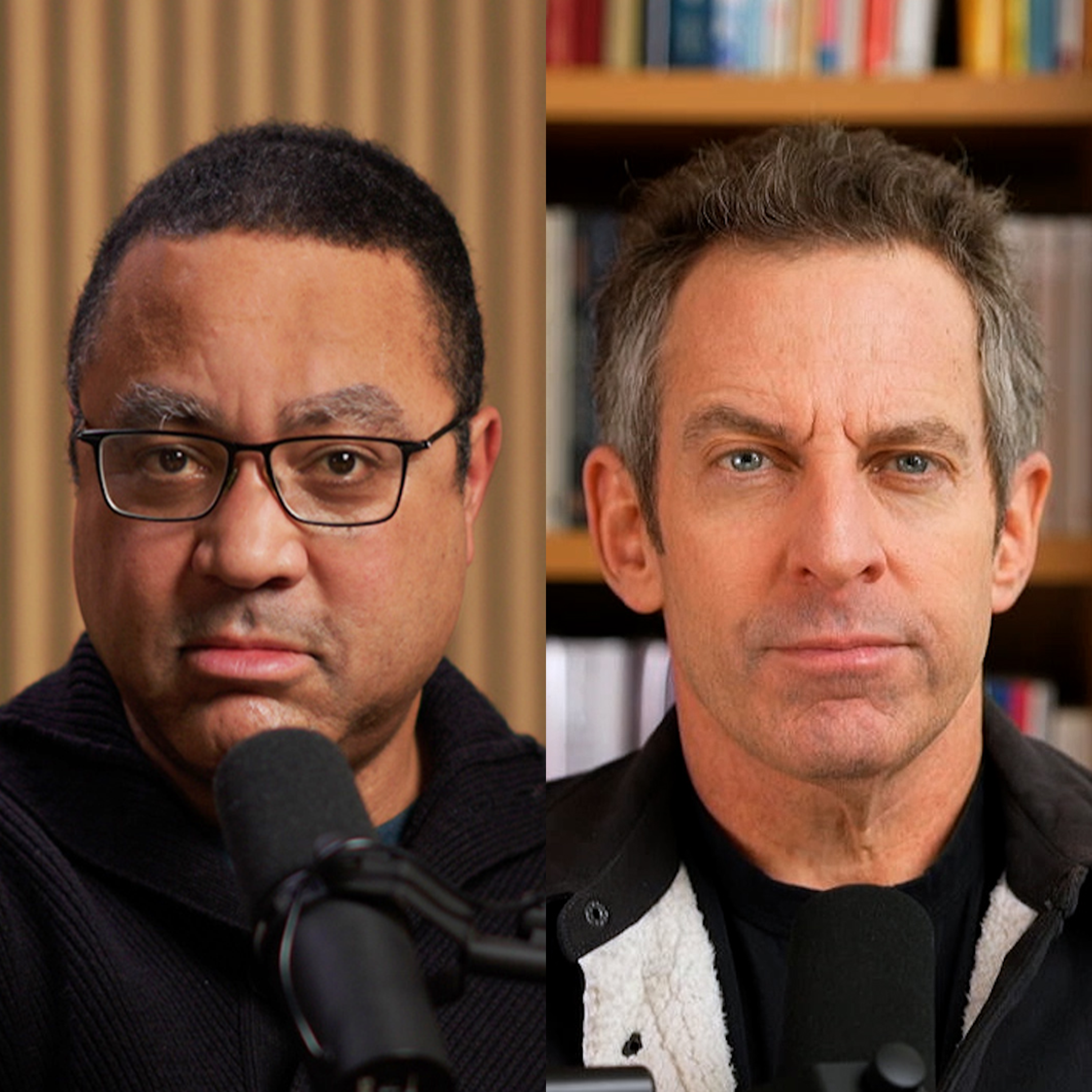
John McWhorter argues that while the "peak woke" moment in general society has passed, the ideology has become so deeply rooted in academia and the arts that it's likely "ruined for the duration." The core tenets are passed down through graduate programs and hiring practices, making them difficult to dislodge.
John McWhorter identifies a key error post-George Floyd: the widespread belief that police frequently kill unarmed Black men. He notes public estimates are off by orders of magnitude from the actual data (around 10-15 per year). This statistical illiteracy, amplified by viral videos, created a false narrative impervious to facts.
John McWhorter predicts that political pushback against DEI won't eliminate the practices. Instead, institutions will simply stop using the "DEI" label overtly. The underlying ideology and goals, such as racial preferences, will persist through new euphemisms and less visible methods, making the change superficial.
McWhorter reveals a personal conflict: he feels a duty to repeatedly articulate his critique of "woke racism," likening it to a Madison Avenue campaign. However, he finds the topic itself boring and depressing, craving intellectual variety and feeling a sense of guilt for not dedicating himself exclusively to this one fight.
John McWhorter argues that seemingly separate cultural flashpoints—from the George Floyd protests to campus support for Hamas—are driven by the same core ideology. This worldview prioritizes battling perceived power imbalances, especially related to 'whiteness,' above all other considerations, including reason or facts.