Get your free personalized podcast brief
We scan new podcasts and send you the top 5 insights daily.
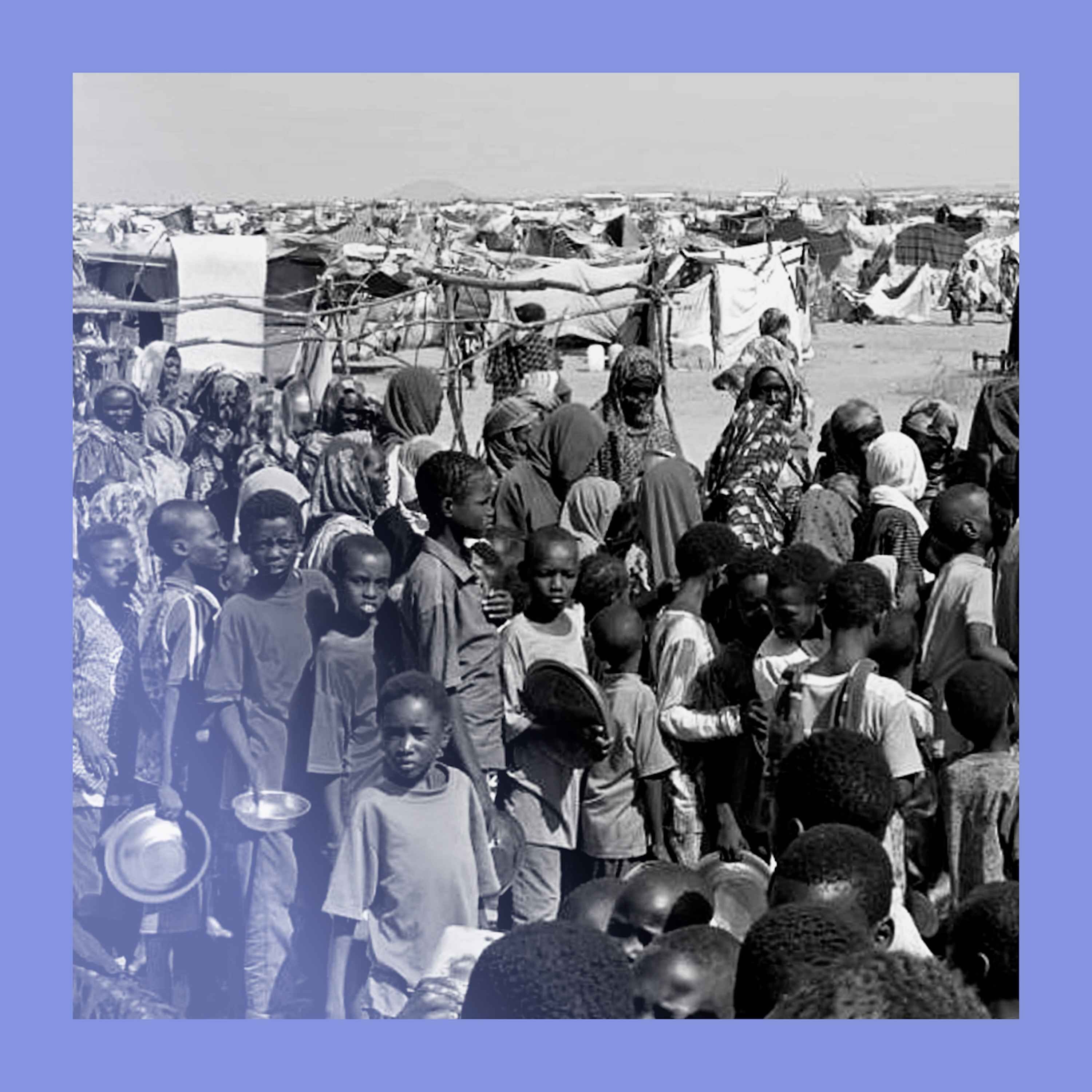
Despite clear evidence of massacres in El Fashir, the international response is muted compared to the celebrity-driven campaigns of the mid-2000s. Fractured media attention and the proliferation of global conflicts make it harder to sustain collective outrage for any single crisis.
Related Insights
The paramilitary group's control over Darfur and the west effectively splits Sudan into two territories: one run by the RSF and the other by the conventional army in the east. This simplifies the conflict map but may be used as a negotiating tactic rather than an endpoint.
History’s most shocking atrocities are defined less by their authoritarian leaders and more by the 'giant blob of enablers' who facilitate them. The current political climate demonstrates this, where professionals and politicians abdicate their expertise and principles to avoid conflict, becoming complicit in the process and allowing destructive ideologies to gain power.

Outrage-driven news follows a predictable six-step cycle: a fringe story appears, one side reacts, the story gets amplified, the other side counter-reacts, and so on. This banal loop captures attention but distracts from more significant societal problems.

Pressuring individuals or brands to speak on every current event is counterproductive. This external demand often leads to 'performative activism'—watered-down, disingenuous statements made out of obligation, not conviction. True impact comes from speaking on issues one genuinely cares about and understands.

The new Syrian government's lack of transitional justice is a primary driver of ongoing violence. By allowing former regime figures to live in exile and even recruiting some, it has created a culture of impunity. This has led to widespread frustration, revenge killings, and sectarian attacks, showing peace requires accountability, not just regime change.
Figures like Mao and Stalin had higher death tolls than Hitler, yet Hitler's atrocities are better known in the West. This is because he ran an effective propaganda machine and, upon defeat, Allied forces captured extensive documentation, making his crimes more visible and studied than those of others.

Current instability is not unique to one country but part of a global pattern. This mirrors historical "crisis centuries" (like the 17th) where civil wars, plagues, and economic turmoil occurred simultaneously across different civilizations, driven by similar underlying variables.

Gradual, complex issues like deploying federal troops into cities often fail to trigger a strong public backlash. In contrast, a sudden, easily understood event, like a late-night host's firing, can galvanize immediate outrage, revealing a disconnect in what the public perceives as a "red line."

Personalized media algorithms create "media tunnels" where individuals experience completely different public reactions to the same event. Following a political assassination attempt, one person's feed showed universal condemnation while others saw widespread celebration, highlighting profound social fragmentation.

The era of limited information sources allowed for a controlled, shared narrative. The current media landscape, with its volume and velocity of information, fractures consensus and erodes trust, making it nearly impossible for society to move forward in lockstep.