Get your free personalized podcast brief
We scan new podcasts and send you the top 5 insights daily.
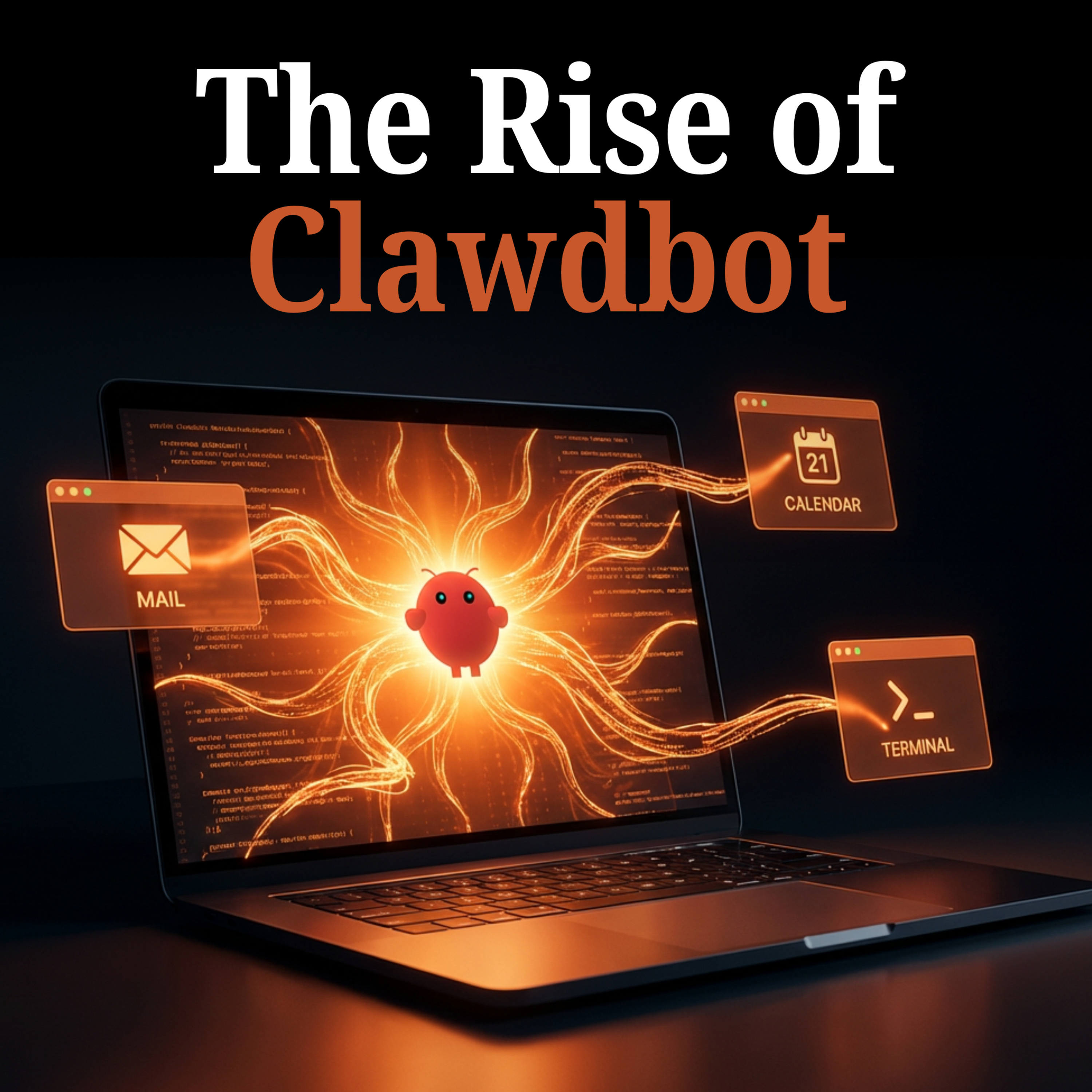
Users can give a high-level command like "build a CRM and deploy it to Railway." The agent then handles the entire process: writing code, pushing to a repository, deploying it to a live host, and providing a screenshot of the live app back in the chat.

Related Insights
Snap deployed an AI agent, Casper, that acts as a team member within tools like Slack and Jira. It listens to conversations, understands context from the entire company knowledge base and codebase, and can be invoked with a simple command to build a working prototype.

Unlike tools like Zapier where users manually construct logic, advanced AI agent platforms allow users to simply state their goal in natural language. The agent then autonomously determines the steps, writes necessary code, and executes the task, abstracting away the workflow.
With 65% of its product code now written by Claude Tag, Anthropic shows that integrating powerful coding agents into simple chat interfaces enables entire teams to initiate production-ready features from conversations. This dramatically lowers the barrier to software creation for non-coders.

Because AI agents operate autonomously, developers can now code collaboratively while on calls. They can brainstorm, kick off a feature build, and have it ready for production by the end of the meeting, transforming coding from a solo, heads-down activity to a social one.

AI is moving beyond text generation. Using Claude's 'Artifact Builder' skill, it can create and deploy functional web applications directly in the chat window. A user can prompt it to build a tool, like a UTM link generator, and receive a usable app, not just code snippets.
A new software paradigm, "agent-native architecture," treats AI as a core component, not an add-on. This progresses in levels: the agent can do any UI action, trigger any backend code, and finally, perform any developer task like writing and deploying new code, enabling user-driven app customization.
A design agency professional with no coding experience used the Moltbot agent to build 25 internal web services simply by describing the problems. This signals a paradigm shift where non-technical users can create their own hyper-personalized software, bypassing traditional development cycles and SaaS subscriptions.
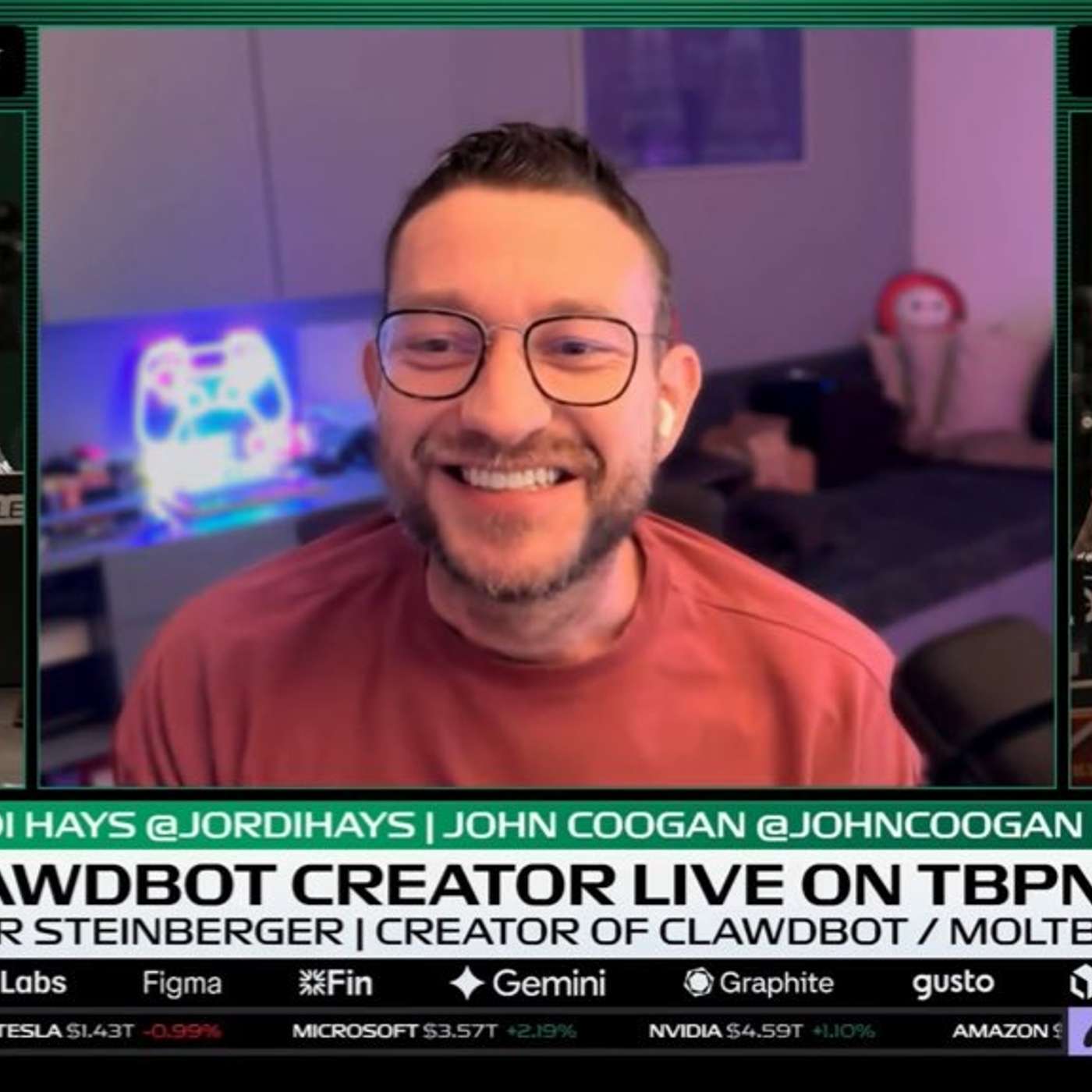
Instead of integrating with existing SaaS tools, AI agents can be instructed on a high-level goal (e.g., 'track my relationships'). The agent can then determine the need for a CRM, write the code for it, and deploy it itself.
Stripe engineers can initiate a full AI-driven coding task—including provisioning a dev environment and creating a pull request—simply by reacting to a Slack message with an emoji. This dramatically lowers the friction to start work by moving the entry point from a text editor to a chat app.
Non-technical users are leveraging agents like Moltbot to build their own hyper-personalized software. By simply describing a problem in natural language, they can create internal tools that perfectly solve their needs, eliminating the need to subscribe to many single-purpose SaaS applications.
