Get your free personalized podcast brief
We scan new podcasts and send you the top 5 insights daily.
Investors should not expect a simple 'deal or no deal' binary outcome. The path forward will be a messy, non-linear process involving partial agreements, implementation challenges, setbacks, and renewed negotiations, creating persistent market uncertainty and volatility.

Related Insights
The central debate within Iran regarding a deal with the U.S. is not ideological but pragmatic: whether the U.S. can be trusted to deliver on its promises. The current ceasefire serves as a critical test of American credibility, which will determine if negotiations on larger issues are even possible.

The US-Iran conflict cycle demonstrates that when neither side can achieve a decisive military or economic victory, and both are unwilling to compromise, the result is a protracted stalemate. Limited strikes and sanctions inflict pain but fail to force capitulation, leading to an endless loop of low-grade warfare and failed diplomacy.

The US-Iran agreement is a "deal to do more deal making," deferring critical issues like the nuclear program and long-term sanctions. This approach secures short-term stability but fails to resolve underlying conflicts, creating a high probability that the crisis will re-ignite once the interim negotiation period ends.

Markets have priced oil as if the Iran conflict is over, but guest Lyn Alden notes key unresolved details in the memorandum of understanding could easily reignite tensions, making the current optimism potentially premature.

The dangerous stalemate between the US and Iran continues because each side believes it has greater endurance. Tehran thinks it can hold out for months while the US economy suffers, while Washington believes Iran is on the brink of collapse. This mutual overconfidence prevents urgent, good-faith negotiations.
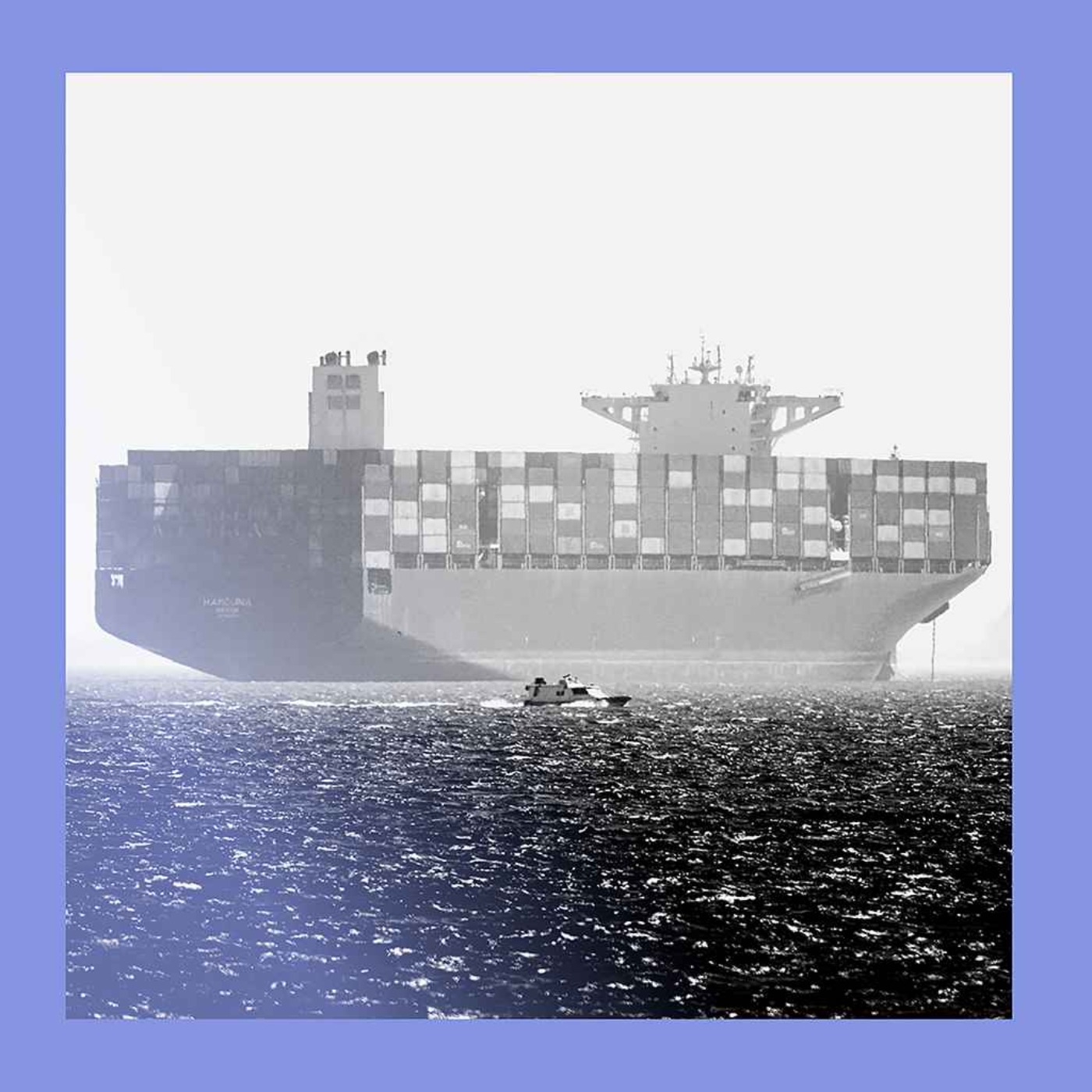
The public threats of a military strike against Iran may be a high-stakes negotiating tactic, consistent with Trump's style of creating chaos before seeking a deal. The goal is likely not war, which would be politically damaging, but to force Iran into economic concessions or a new agreement on US terms.
A viable nuclear deal with Iran exists, structurally similar to the JCPOA. The primary barrier is not substance, but a clash of styles. Trump needs to publicly "win" and show he made Iran concede, while Iran's leadership culture cannot accept any deal that smacks of public surrender.
Iran benefits from dragging out negotiations until the US midterms. The US administration's need for a quick economic and political win puts them in a weaker position, forcing concessions like upfront sanctions relief.

Even if America and Iran sign a deal, the global supply chain won't snap back. Rerouted oil tankers and shut-down facilities mean it will take months to return to pre-war energy flows, creating a dilemma for companies who must invest without certainty of a final agreement.
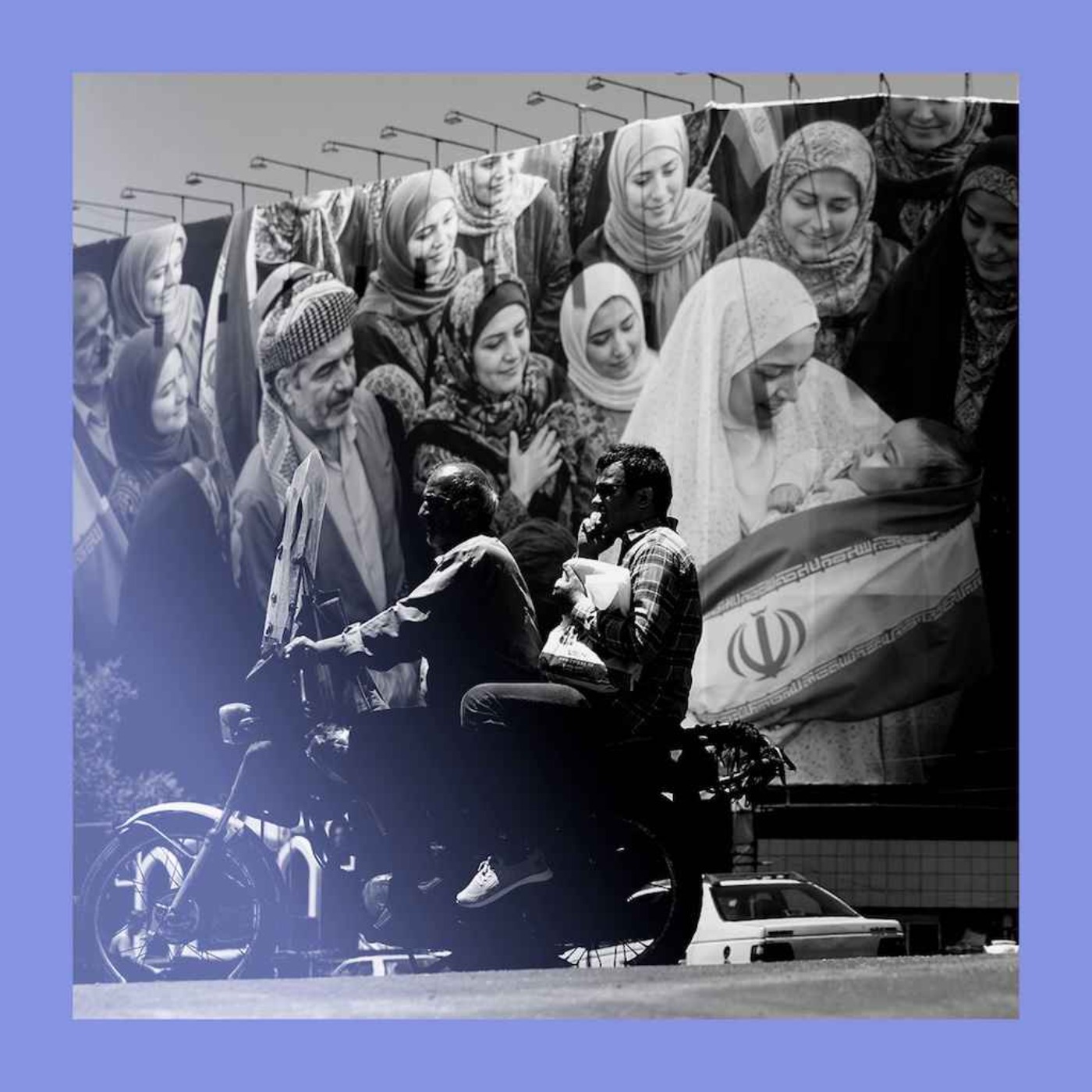
A probable off-ramp for the US-Iran conflict involves Iran conceding on nuclear enrichment. In return, they could gain leverage and revenue by maintaining control over transit through the Strait of Hormuz.
