Get your free personalized podcast brief
We scan new podcasts and send you the top 5 insights daily.
A company's culture directly shapes the skillset of its spin-out founders. Palantir's model creates founders obsessed with getting access to the core customer problem. In contrast, Ramp's culture produces founders who are "revenue hunting missiles," skilled at finding and capturing money, demonstrating that not all successful founder DNA is the same.

Related Insights
Companies like Palantir produce a disproportionate number of successful founders. Its culture, which forces every employee to act as a 'mini CEO' by building, launching, and finding product-market fit for their products, serves as a powerful entrepreneurial training ground.

Truly innovative companies often start with a small group sharing a strong, non-consensus belief. This 'cult-like' culture, built on a secret truth that flies in the face of orthodoxy, is a feature—not a bug—of world-changing startups.

The ideal founder archetype starts with deep technical expertise and product sense. They then develop exceptional business and commercial acumen over time, a rarer and more powerful combination than a non-technical founder learning the product.
![David George - Building a16z Growth, Investing Across the AI Stack, and Why Markets Misprice Growth - [Invest Like the Best, EP.450] thumbnail](https://megaphone.imgix.net/podcasts/8da7dbd8-ceeb-11f0-941c-ef83bcdd4c9f/image/d44107bc94719f78fbe91befb141073e.jpg?ixlib=rails-4.3.1&max-w=3000&max-h=3000&fit=crop&auto=format,compress)
PayPal's legendary alumni network wasn't an accident. The leadership team intentionally hired ambitious people by asking "What are you going to do after PayPal?" and favoring those who planned to start their own company.
Before it had a mature product, Palantir operated like a collection of mini-startups. Employees got reps building custom solutions for massive clients, effectively learning how to run a company—and mostly fail—on Palantir's dime. This provided immense operational experience for future founders.

Palantir's success stems from its "anti-playbook" culture. It maintains a flat, meritocratic structure that feels like a startup despite its size. This environment fosters original thinking and rewards those who excel outside of rigid, conventional frameworks, turning traditionally undervalued traits into strengths.
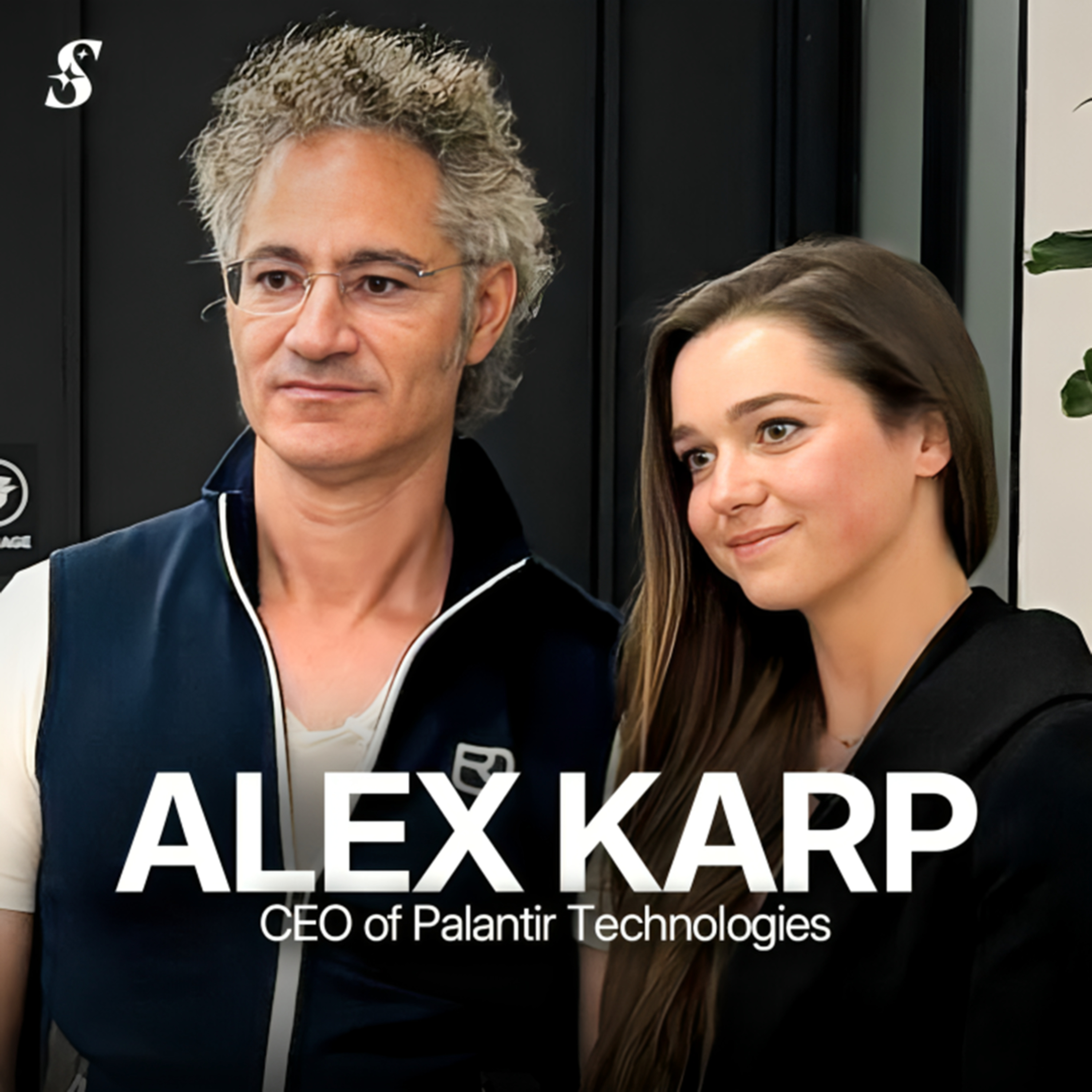
Roughly 80% of a company's culture is a direct extension of its founder's personality. Facebook reflects Mark Zuckerberg's hacker mindset; Google reflects its founders' academic roots. As a leader, your role isn't to change the culture but to articulate it and build systems that scale the founder's natural way of operating.

The company's leadership philosophy, borrowed from Palantir, is to hire highly opinionated and sometimes difficult talent. While this feels chaotic, these individuals are essential for innovation and adaptation, unlike talent that merely optimizes existing, stable systems.
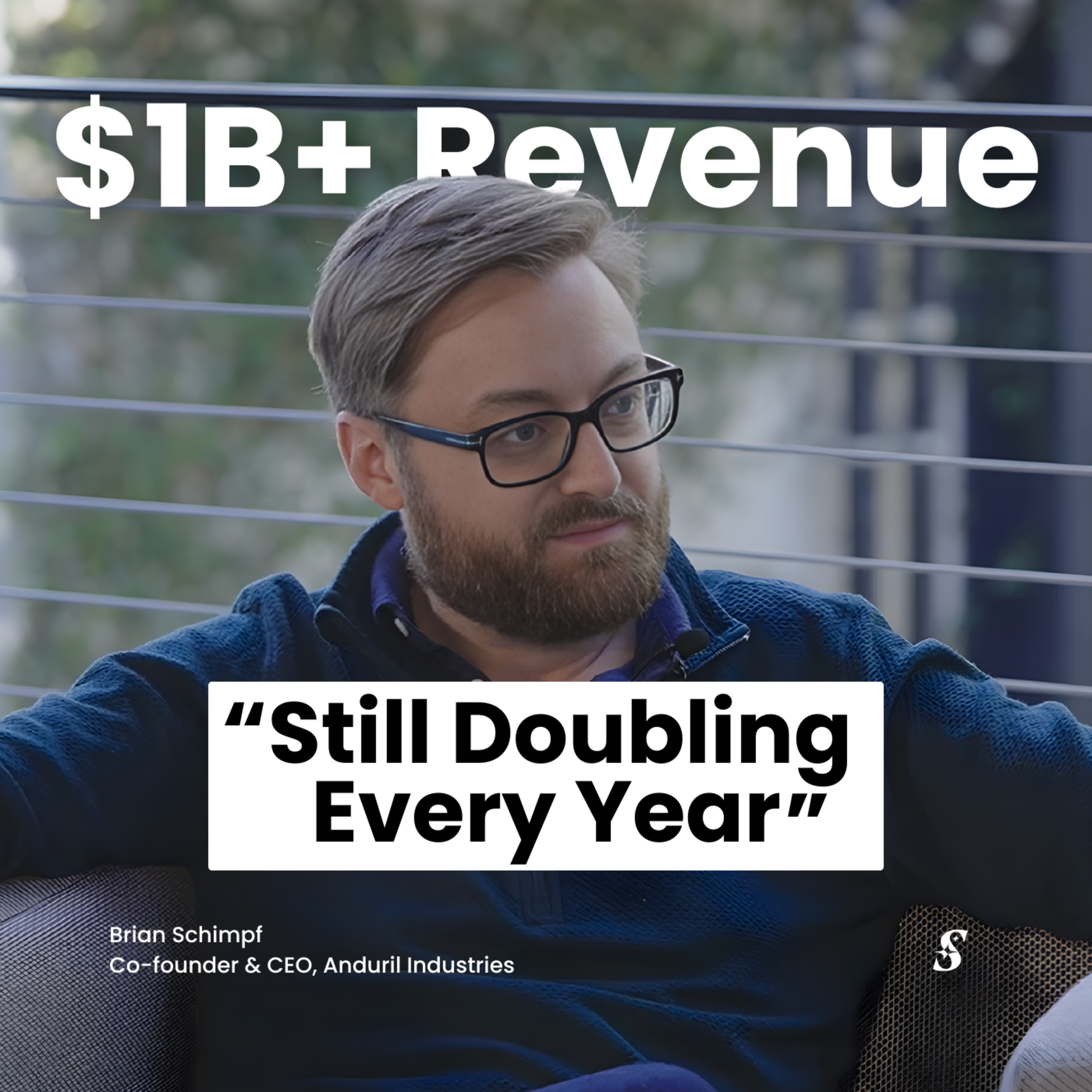
Rippling actively hires former founders because they have a unique ability to find paths forward when facing seemingly impossible constraints. Unlike typical managers who present problems, founders understand that if the 'reasonable' path leads to failure, they must find an 'unreasonable' one to survive.

Constant exposure to top founders and a build-centric environment at YC creates an irresistible "itch" to start a company. The organization accepts that its best employees will almost always leave to become founders themselves, not to join other tech giants.
