Get your free personalized podcast brief
We scan new podcasts and send you the top 5 insights daily.
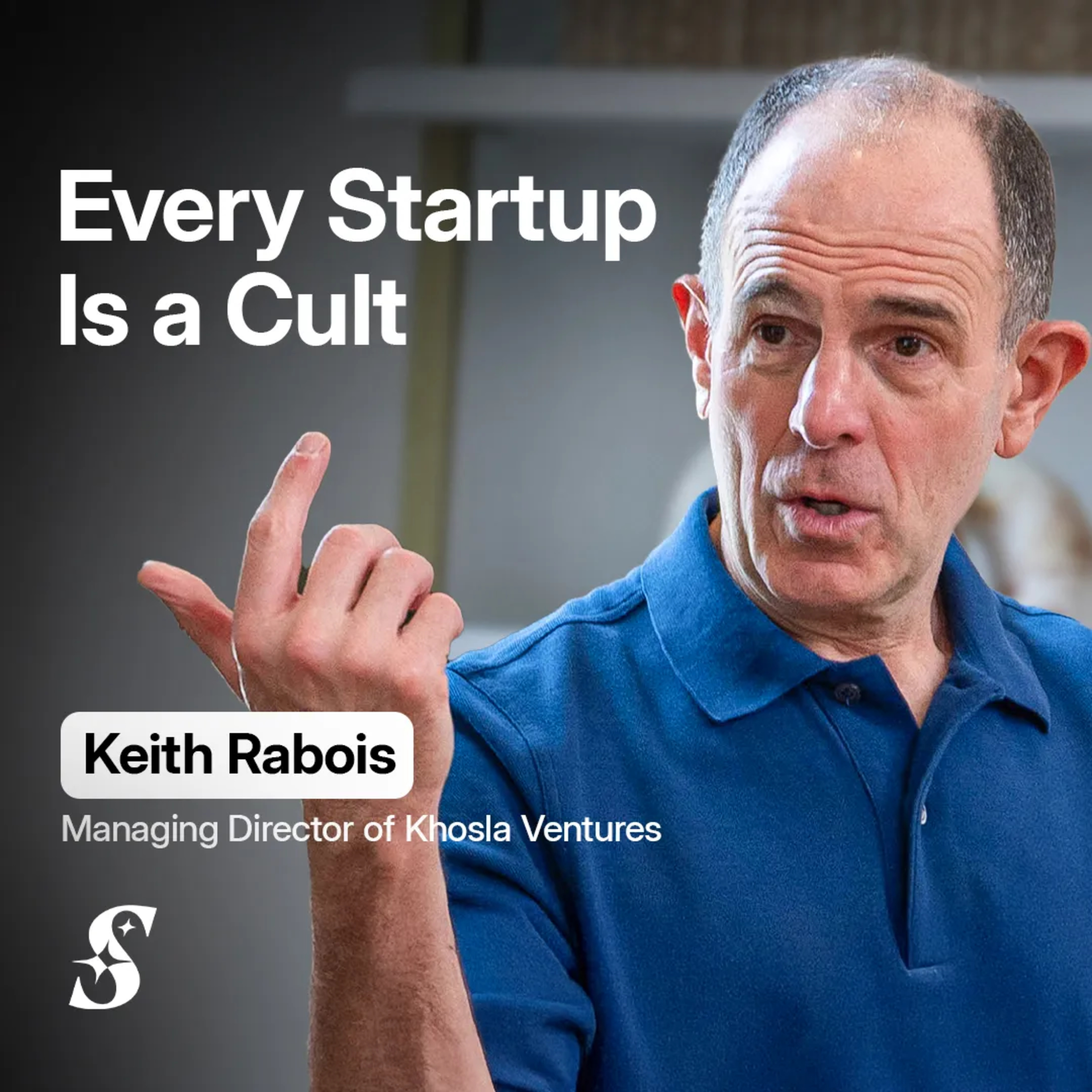
Truly innovative companies often start with a small group sharing a strong, non-consensus belief. This 'cult-like' culture, built on a secret truth that flies in the face of orthodoxy, is a feature—not a bug—of world-changing startups.

Related Insights
Palantir CTO Shyam Sankar asserts that historically, crucial military advancements like the Higgins boat and the nuclear Navy were not products of the established system. They were driven by rebellious "heretics" who fought against bureaucracy and conventional wisdom to bring their ideas to life.

A startup's 'cult' is its unique set of beliefs about the world, its market, and its people. This shared, differentiated worldview is essential for unity and focus. However, to be a successful company rather than just a cult, this unique set of beliefs must be correct.
Breakthrough companies often succeed not by iterating endlessly, but by 'planting a flag'—making a strong, often contrarian bet on a core thesis (e.g., email-first media) and relentlessly executing against that vision, even when it's unpopular or lacks momentum.

To maintain a culture of innovation and prevent stagnation, Palantir institutionalizes rebellion. Twice a year, they hold 'weeks of revolt' where employees can build whatever they want, with the explicit goal of proving the current strategy is wrong. This creates a perpetual motor of self-disruption driven by truth-seeking.
![Shyam Sankar - Celebrating Heretics - [Invest Like the Best, EP.462] thumbnail](https://megaphone.imgix.net/podcasts/9dee904c-1bbf-11f1-a1a6-0b200fdaa525/image/57910f03f82ede99259c53f5e5404f6a.jpg?ixlib=rails-4.3.1&max-w=3000&max-h=3000&fit=crop&auto=format,compress)
A successful startup often resembles a cult, requiring a leader who communicates their vision with unwavering, first-person conviction. Hiding the founder behind polished PR spokespeople is a mistake; it neuters the contagious belief required to recruit talent and build a movement against impossible odds.

Palantir's success stems from its "anti-playbook" culture. It maintains a flat, meritocratic structure that feels like a startup despite its size. This environment fosters original thinking and rewards those who excel outside of rigid, conventional frameworks, turning traditionally undervalued traits into strengths.
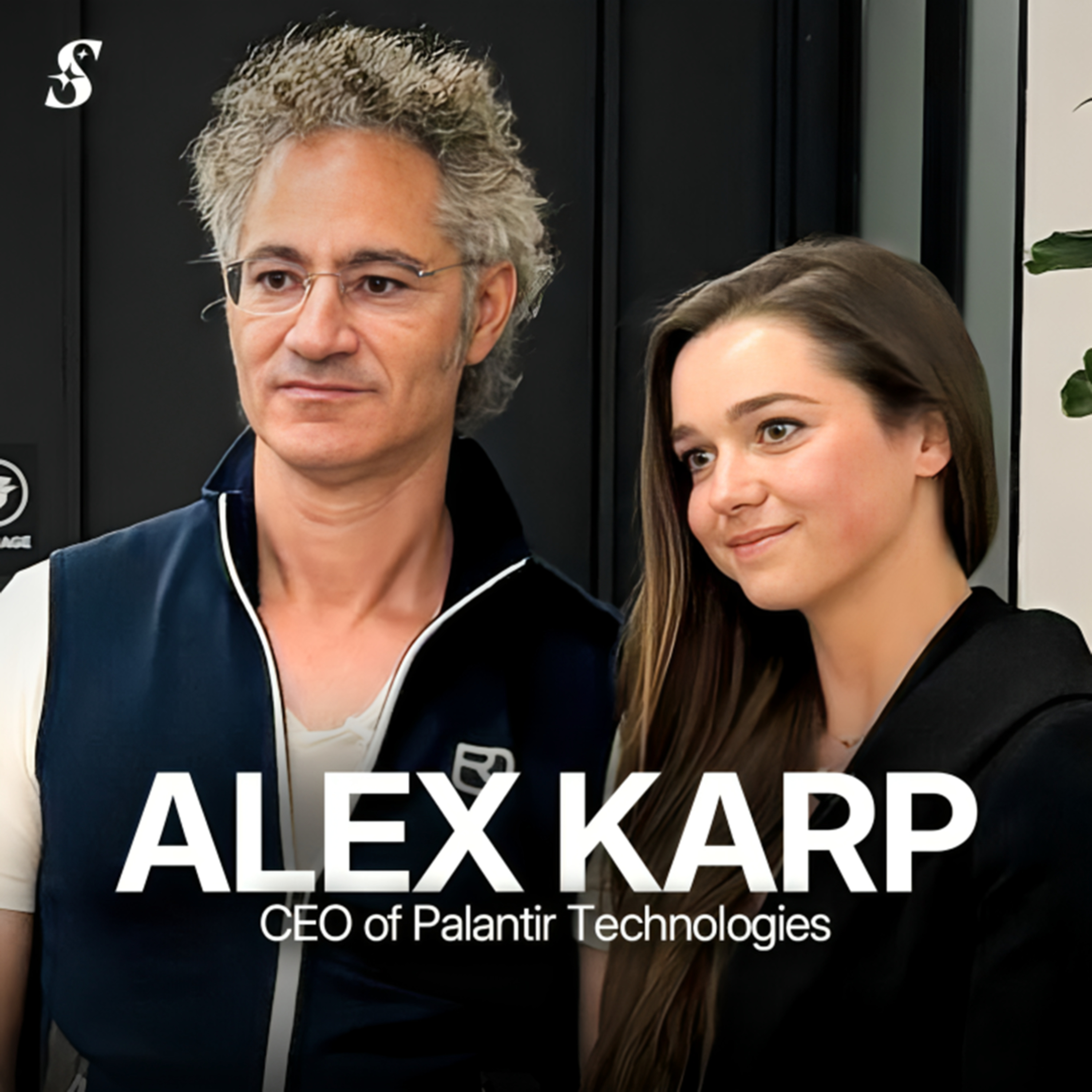
True entrepreneurial opportunity exists where consensus is wrong. By the time a trend like AI or cloud computing is mainstream, it's too late to build a foundational company. Entrepreneurs must find ideas that are currently not well-liked or appreciated and see the gap between the popular view and the idea's actual potential.

To identify non-consensus ideas, analyze the founder's motivation. A founder with a deep, personal reason for starting their company is more likely on a unique path. Conversely, founders who "whiteboarded" their way to an idea are often chasing mimetic, competitive trends.

The best businesses are built around a unique insight hidden from the outside world. When you recruit people and share this secret, they become fellow conspirators in a shared mission. This framing transforms a company into a dedicated group aligned on changing the world.

Breakthrough innovation often comes from entrepreneurs holding a non-consensus belief about the future. This vision can seem irrational, like the man live-streaming an inauguration on a laptop in 2009. This conviction in their "secret" knowledge, which others dismiss, is a key trait of visionary founders who can build what others cannot yet see.
