Get your free personalized podcast brief
We scan new podcasts and send you the top 5 insights daily.
PayPal's legendary alumni network wasn't an accident. The leadership team intentionally hired ambitious people by asking "What are you going to do after PayPal?" and favoring those who planned to start their own company.

Related Insights
The most effective hires are individuals with the entrepreneurial drive to build their own business but who recognize greater potential in leveraging your company's platform and distribution. This strategy attracts talent that thinks like owners, not employees, and can run their departments autonomously.
Companies like Palantir produce a disproportionate number of successful founders. Its culture, which forces every employee to act as a 'mini CEO' by building, launching, and finding product-market fit for their products, serves as a powerful entrepreneurial training ground.

Bill Gates and Paul Allen deliberately hired young, enthusiastic programmers, often straight from university with bachelor's degrees. They believed it was better to get talent "before they were ruined by working somewhere else." This strategy allowed them to mold a unique, high-intensity engineering culture from scratch.

Instead of competing to be the best in a crowded field, find a unique niche or combination of skills where you have no substitutes. This is the key to long-term success, as demonstrated by the PayPal Mafia members who each carved out their own distinct paths.
Actively recruiting entrepreneurs whose own ventures recently failed brings in smart, driven individuals with high ownership and a hunger to prove themselves. This is invaluable in the early, capital-constrained days when you need a team with a founder's DNA.

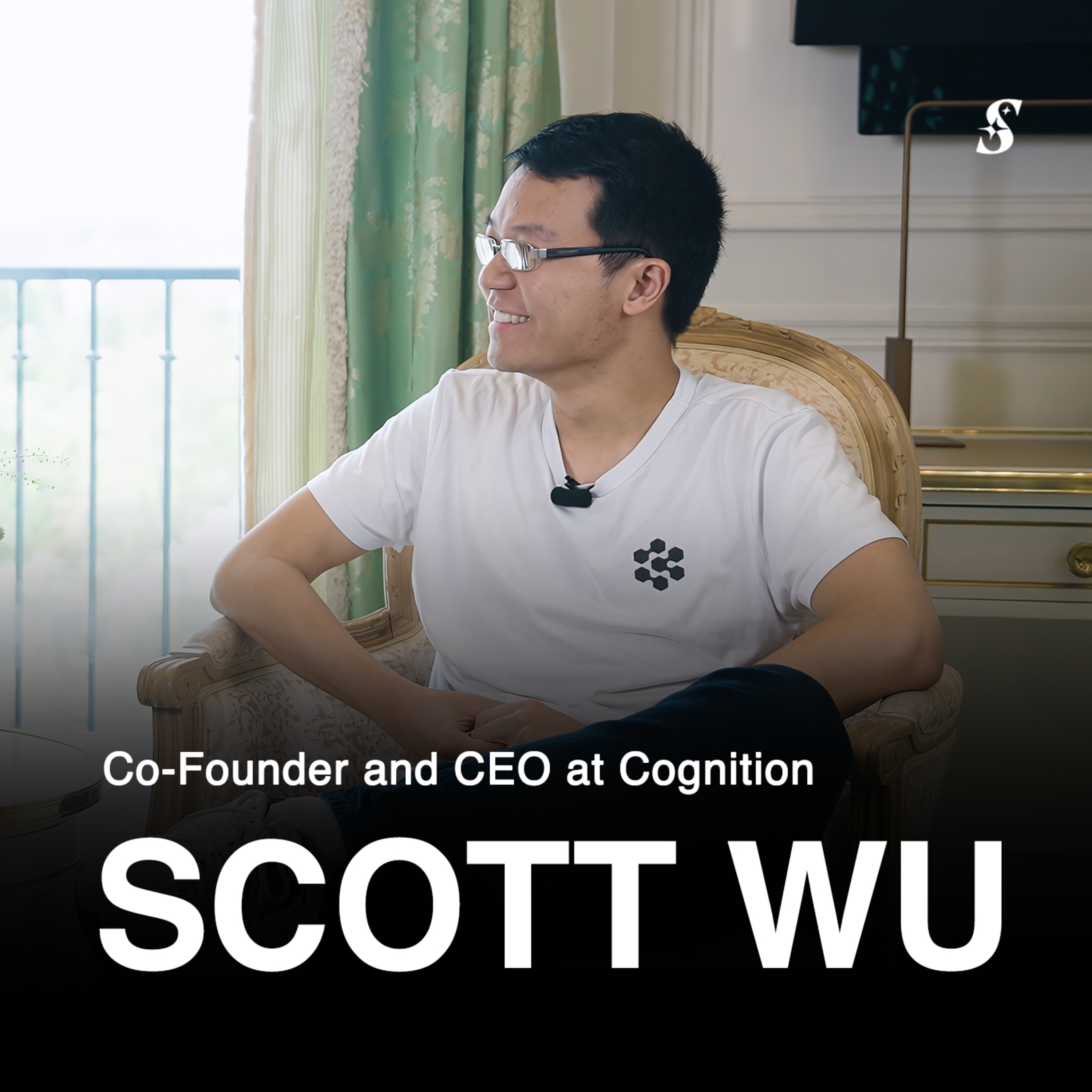
Cognition's early hiring strategy deliberately targeted former founders, resulting in over half its initial team having prior startup experience. This created a culture of ambition, entrepreneurial spirit, and first-principles thinking, which was crucial for tackling complex challenges like M&A and rapid scaling.
Bill Harris describes the early PayPal team—Musk, Thiel, Hoffman, etc.—as a collection of brilliant individuals whose egos were too massive to fit in a large room. This created an unstable, chaotic environment that was also incredibly creative and action-oriented, as everyone relentlessly pursued their own ideas.

A powerful, often unspoken catalyst for founding a company is professional envy. When a talented employee sees a former colleague they deem less skilled raise a significant amount of capital, it triggers a reaction of "Are you fucking kidding me?" and motivates them to pursue their own venture.

Rippling actively hires former founders because they have a unique ability to find paths forward when facing seemingly impossible constraints. Unlike typical managers who present problems, founders understand that if the 'reasonable' path leads to failure, they must find an 'unreasonable' one to survive.

Constant exposure to top founders and a build-centric environment at YC creates an irresistible "itch" to start a company. The organization accepts that its best employees will almost always leave to become founders themselves, not to join other tech giants.
