Get your free personalized podcast brief
We scan new podcasts and send you the top 5 insights daily.
Companies like Palantir produce a disproportionate number of successful founders. Its culture, which forces every employee to act as a 'mini CEO' by building, launching, and finding product-market fit for their products, serves as a powerful entrepreneurial training ground.

Related Insights
Instead of progressive overload, Palantir puts promising talent on high-stakes projects with a near-fatal dose of responsibility. This forces the maximum rate of learning, which is coincident with the maximum ability to tolerate pain, creating superheroes instead of plodding careerists.
![Shyam Sankar - Celebrating Heretics - [Invest Like the Best, EP.462] thumbnail](https://megaphone.imgix.net/podcasts/9dee904c-1bbf-11f1-a1a6-0b200fdaa525/image/57910f03f82ede99259c53f5e5404f6a.jpg?ixlib=rails-4.3.1&max-w=3000&max-h=3000&fit=crop&auto=format,compress)
Employees at large companies who independently work nights and weekends on projects outside the roadmap, driven by customer obsession, are exhibiting the key traits of a founder. This behavior, while potentially disruptive to their team, signals a strong, innate entrepreneurial drive ready to be unleashed.

CEOs of ElevenLabs and Lovable argue their time at companies like Palantir and Google was essential for learning to build at scale, understand customer problems, and develop ambitious ideas. They doubt they would have succeeded starting right out of school.

Before it had a mature product, Palantir operated like a collection of mini-startups. Employees got reps building custom solutions for massive clients, effectively learning how to run a company—and mostly fail—on Palantir's dime. This provided immense operational experience for future founders.

To maintain a culture of innovation and prevent stagnation, Palantir institutionalizes rebellion. Twice a year, they hold 'weeks of revolt' where employees can build whatever they want, with the explicit goal of proving the current strategy is wrong. This creates a perpetual motor of self-disruption driven by truth-seeking.
Palantir's success stems from its "anti-playbook" culture. It maintains a flat, meritocratic structure that feels like a startup despite its size. This environment fosters original thinking and rewards those who excel outside of rigid, conventional frameworks, turning traditionally undervalued traits into strengths.
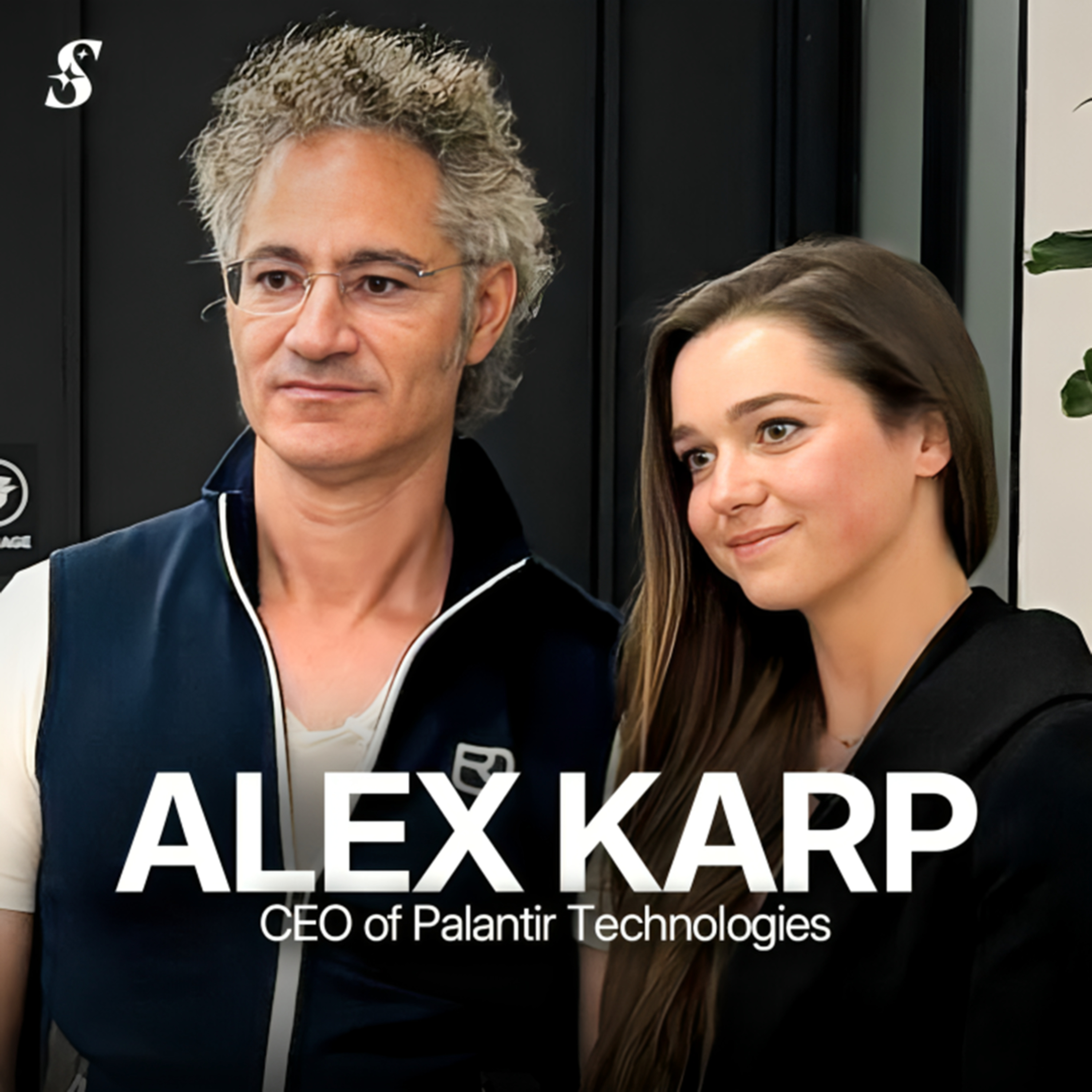
The distinction between a 'big company' and 'small company' person is irrelevant. A founder's mindset—hustling to bring new ideas to life and driving outcomes—is equally applicable and valuable in a large corporation as it is in a startup.

A company's rate of aging is directly correlated with its layers of hierarchy. By maintaining a very flat structure, 20-year-old Palantir "anti-ages," retaining the fresh, agile vibe and rapid decision-making of a young startup while possessing the scale and knowledge of a mature company.
The company's leadership philosophy, borrowed from Palantir, is to hire highly opinionated and sometimes difficult talent. While this feels chaotic, these individuals are essential for innovation and adaptation, unlike talent that merely optimizes existing, stable systems.
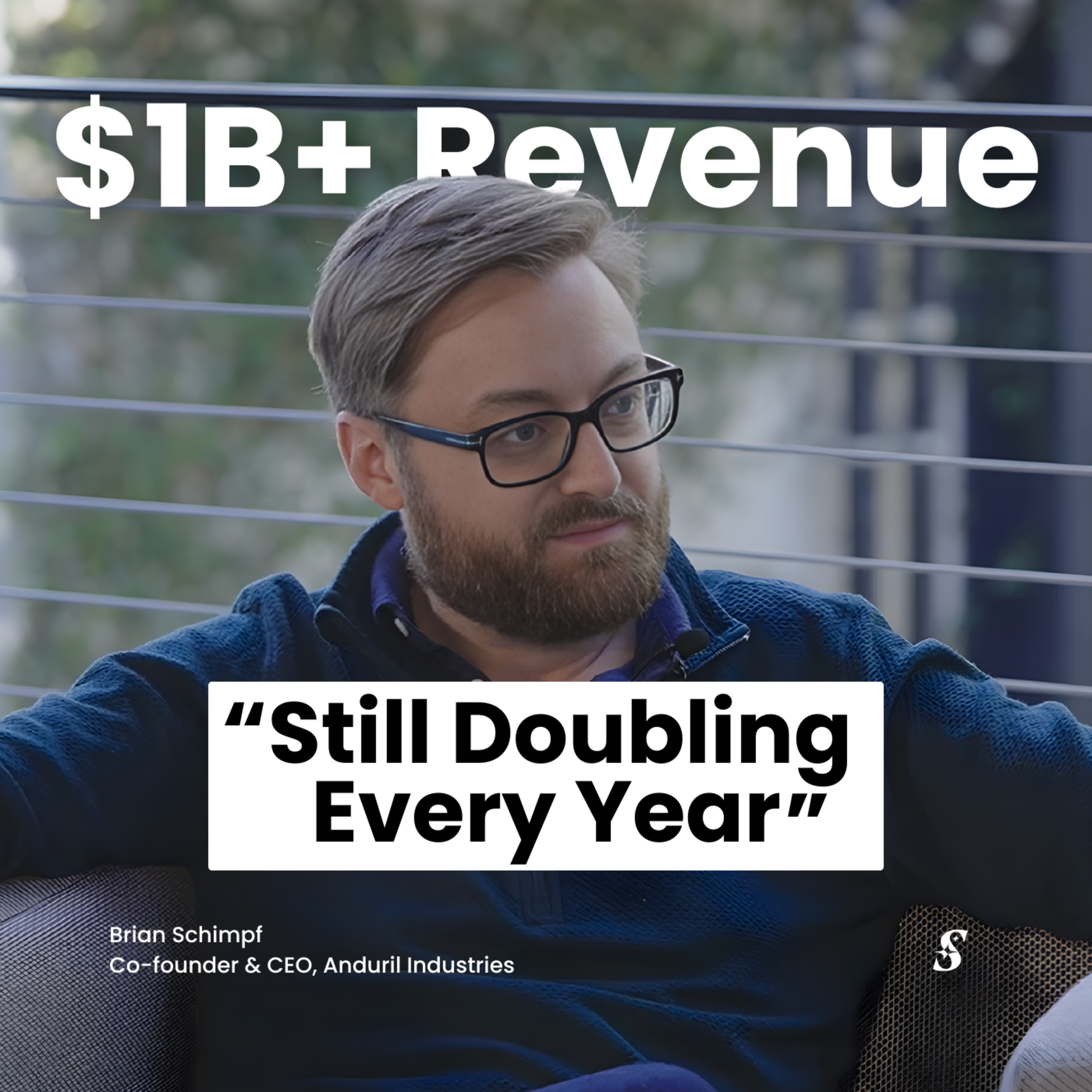
Constant exposure to top founders and a build-centric environment at YC creates an irresistible "itch" to start a company. The organization accepts that its best employees will almost always leave to become founders themselves, not to join other tech giants.