Get your free personalized podcast brief
We scan new podcasts and send you the top 5 insights daily.
Before it had a mature product, Palantir operated like a collection of mini-startups. Employees got reps building custom solutions for massive clients, effectively learning how to run a company—and mostly fail—on Palantir's dime. This provided immense operational experience for future founders.

Related Insights
To build a complex real-world business, the founding team did every job themselves. This hands-on experience provided critical insights that algorithms or data analysis alone could never uncover, such as knowing not to assign a driver if food isn't ready.

The founder journey requires different skills at different stages. Instead of being a generalist CEO for ten years, founders can specialize in the chaotic 0-to-1 phase. By repeatedly building companies to initial traction and then handing them off, they get more reps and build deep expertise.

CEOs of ElevenLabs and Lovable argue their time at companies like Palantir and Google was essential for learning to build at scale, understand customer problems, and develop ambitious ideas. They doubt they would have succeeded starting right out of school.

Startups are misapplying the "forward-deployed engineer" (FDE) model. This high-touch, embedded-engineering sales approach is only scalable and justifiable for massive, multi-million dollar contracts like Palantir's, not for typical five-figure startup deals.
![Jesse Zhang - Building Decagon - [Invest Like the Best, EP.443] thumbnail](https://megaphone.imgix.net/podcasts/2cc4da2a-a266-11f0-ac41-9f5060c6f4ef/image/7df6dc347b875d4b90ae98f397bf1cb1.jpg?ixlib=rails-4.3.1&max-w=3000&max-h=3000&fit=crop&auto=format,compress)
Palantir's success stems from its "anti-playbook" culture. It maintains a flat, meritocratic structure that feels like a startup despite its size. This environment fosters original thinking and rewards those who excel outside of rigid, conventional frameworks, turning traditionally undervalued traits into strengths.
Tech companies often use government and military contracts as a proving ground to refine complex technologies. This gives military personnel early access to tools, like Palantir a decade ago, long before they become mainstream in the corporate world.

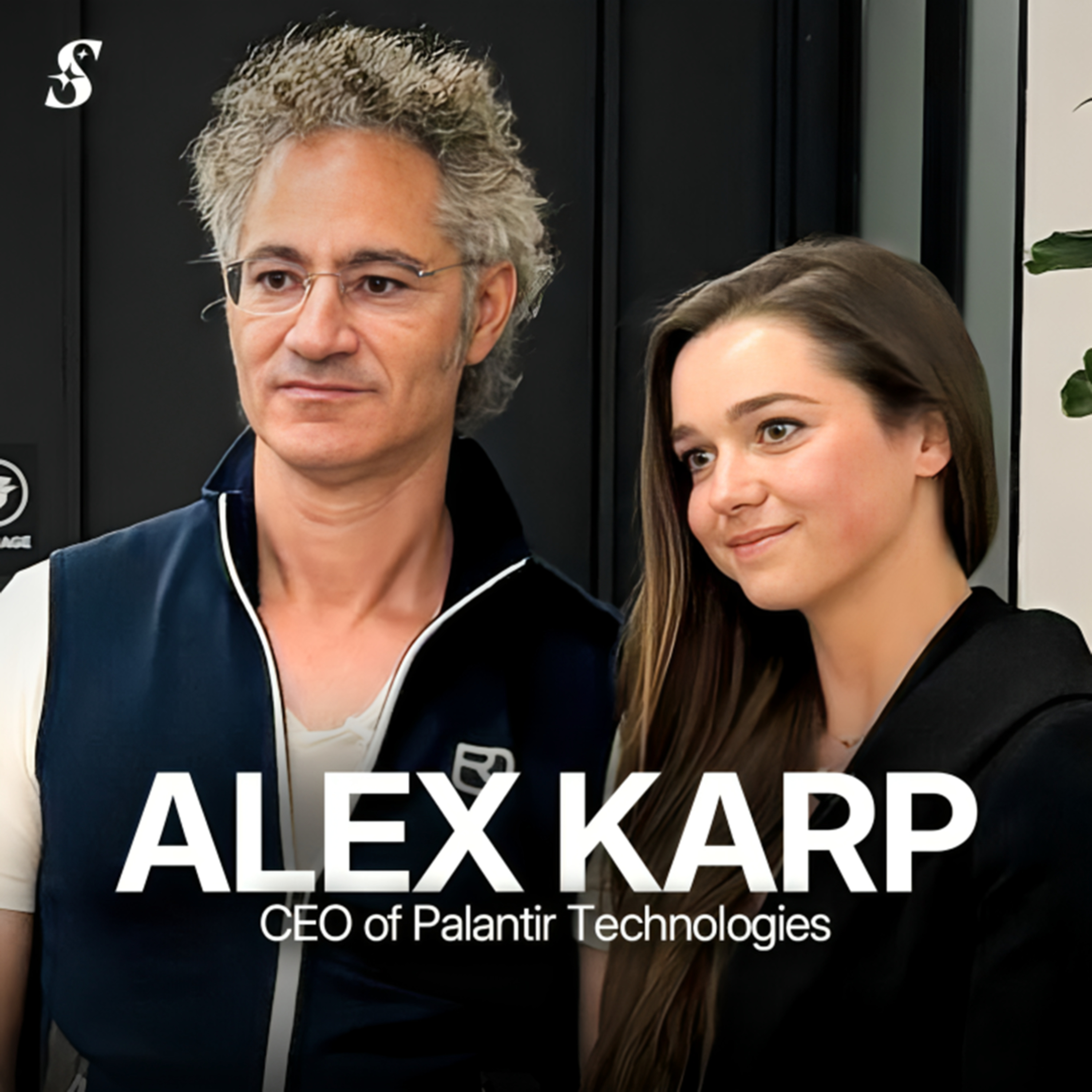
Karp's pitch at Davos suggests that traditional enterprise SaaS, which standardizes processes across companies, destroys competitive advantage. Palantir’s strategy is to build semi-custom systems that amplify a company's unique "tribal knowledge," betting that differentiation, not commodification, is the future of enterprise software value.

To truly understand the industry, Qualia's team, including the first 25 hires, rotated through living in their first customer's basement. This unparalleled access provided deep domain knowledge and ensured they built what was actually needed, a strategy the founder credits for their success.

Don't jump straight to building an MVP. The founders of unicorn Ada spent a full year working as customer support agents for other companies. This deep, immersive research allowed them to gain unique insights that competitors, who only had a surface-level idea, could never discover.

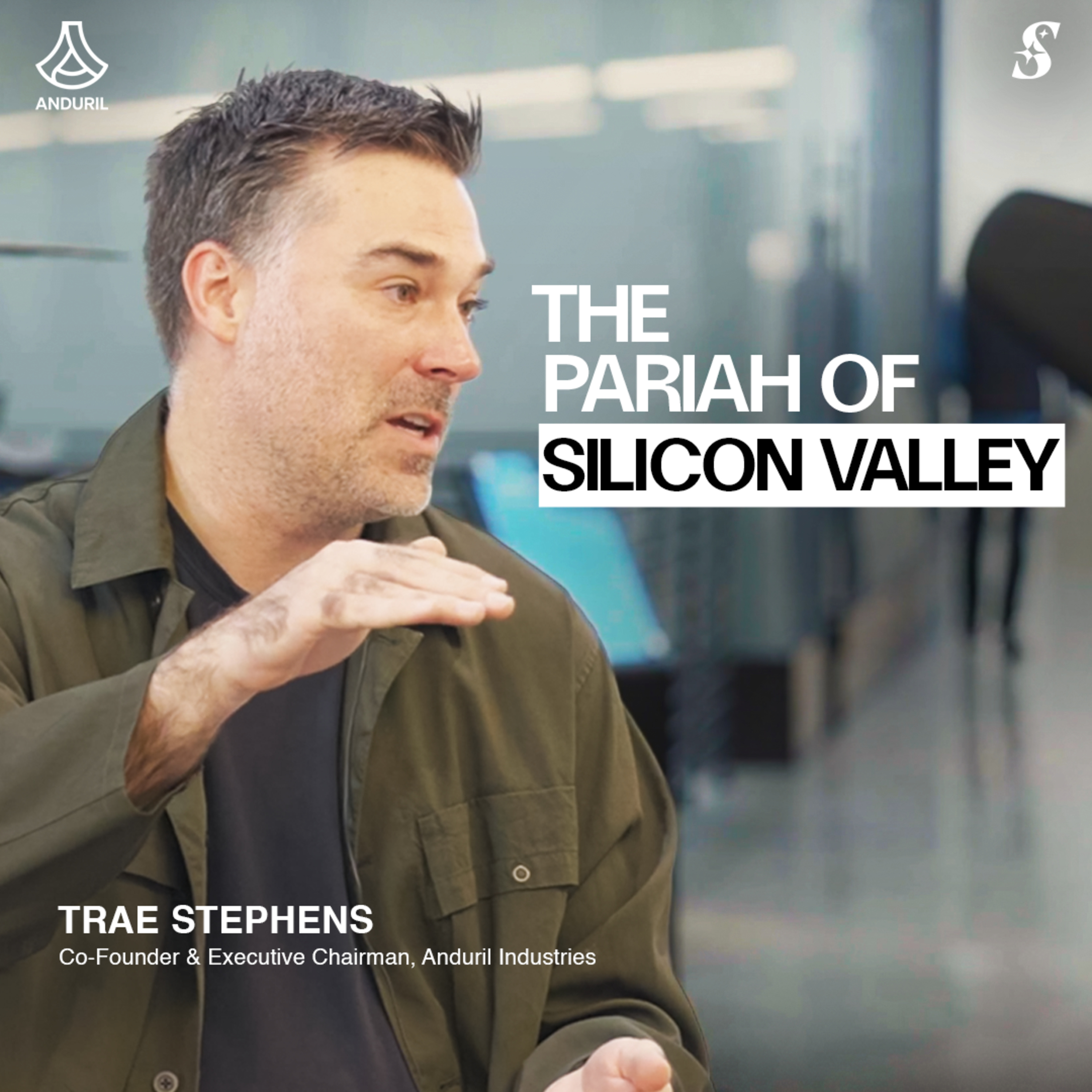
Anduril gained a significant advantage by leveraging its co-founders' experiences from Palantir. Instead of repeating the same decade-long learning curve of selling to the government, they started with a fully formed strategy, avoiding common pitfalls and accelerating their growth from day one.