Get your free personalized podcast brief
We scan new podcasts and send you the top 5 insights daily.
Beyond using premium ingredients, Last Crumb's product development is rooted in emotional connection. Each flavor is designed to tap into a specific nostalgic feeling, like experiencing your first banana pudding or grandma's red velvet cake. This focus on memory makes the product experience more profound for the customer.

Related Insights
Chef Marcus Samuelsson learned from his grandmother's imperfect but delicious meatballs that personal care and intention define a product's value more than standardized perfection. This authentic imprint creates a deeper connection with the consumer.

When considering adding protein powder to its classic pecan log roll, Stuckey's was advised against it. For a heritage brand, changing a beloved recipe to chase a trend risks alienating its core audience and losing authenticity. Like Stacey's Pita Chips refusing to make a gluten-free version, some products should remain true to their original form.

Hedley & Bennett aims to be the next Le Creuset by making decisions that foster generational loyalty. This means prioritizing brand integrity and customer relationships over immediate financial gains, ensuring the brand becomes associated with core memories like Thanksgiving, not just fleeting trends.
Despite running a company with a near $2 billion valuation, Olipop's CEO Ben Goodwin personally formulates every flavor. He views this hands-on work not as a hobby, but as his most direct and unfiltered expression to customers, ensuring the product quality that underpins the brand's success.

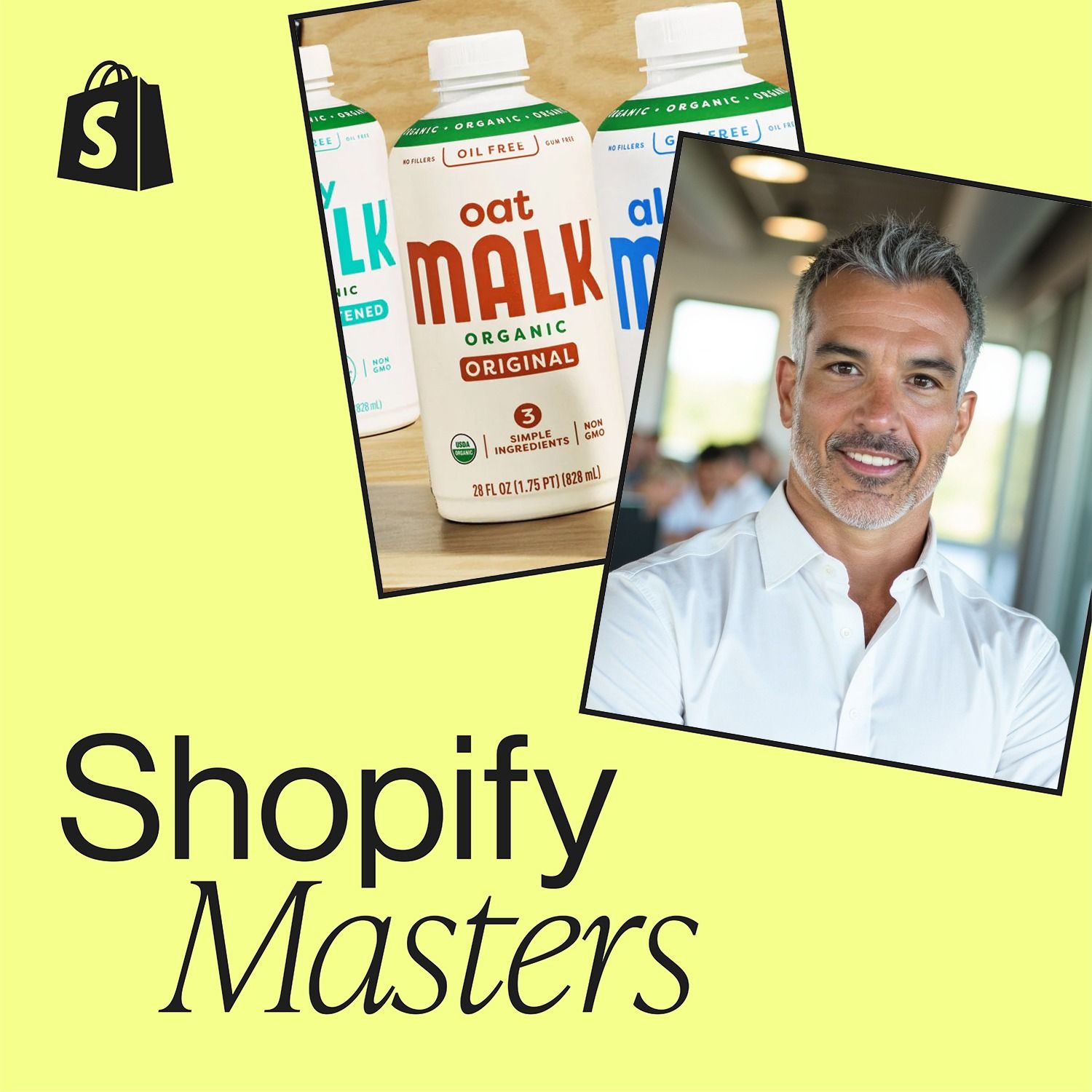
Malk's messaging evolved from focusing on what it lacked (gums, fillers) to highlighting the sensory experience of using the product. Recognizing that taste is paramount, the brand created assets showing the milk being poured into coffee or cereal. This shift from a rational, feature-based message to an emotional, benefit-driven one is key for brand maturation.
To stand out in the saturated candle market, founder Terry Johnson drew from her personal passion for the Harlem Renaissance, inspired by her time studying in Paris. This authentic connection to a specific cultural history gave the brand a unique “soul” that resonated deeply with customers.

By asking their community to guess a new flavor for a chance to win a PR box, they accidentally created a massive database of customer requests. This user-generated feedback directly inspired new products like their garlic cumin pickle, hacking their R&D process.

The universal appeal of cheese could be linked to our limbic system, which stores memory and smell. Because milk is our first food memory, cheese—a concentrated milk product—may tap into this primal, positive association from infancy, explaining its powerful emotional resonance.

Counter to tech's "10x better" mantra, Poppi succeeded by making a nostalgic product (soda) just 10-15% better (less sugar, prebiotics). This approach taps into existing consumer habits and emotions, creating a broader market than a radically new, niche product.

Instead of reformulating its classic pecan log roll, Stuckey's should reframe it for a modern audience. By calling it "America's first protein bar," it connects the product's inherent, historical quality (pecans as a protein source) to the current consumer focus on plant-based protein, making it relevant without changing the recipe.