Get your free personalized podcast brief
We scan new podcasts and send you the top 5 insights daily.
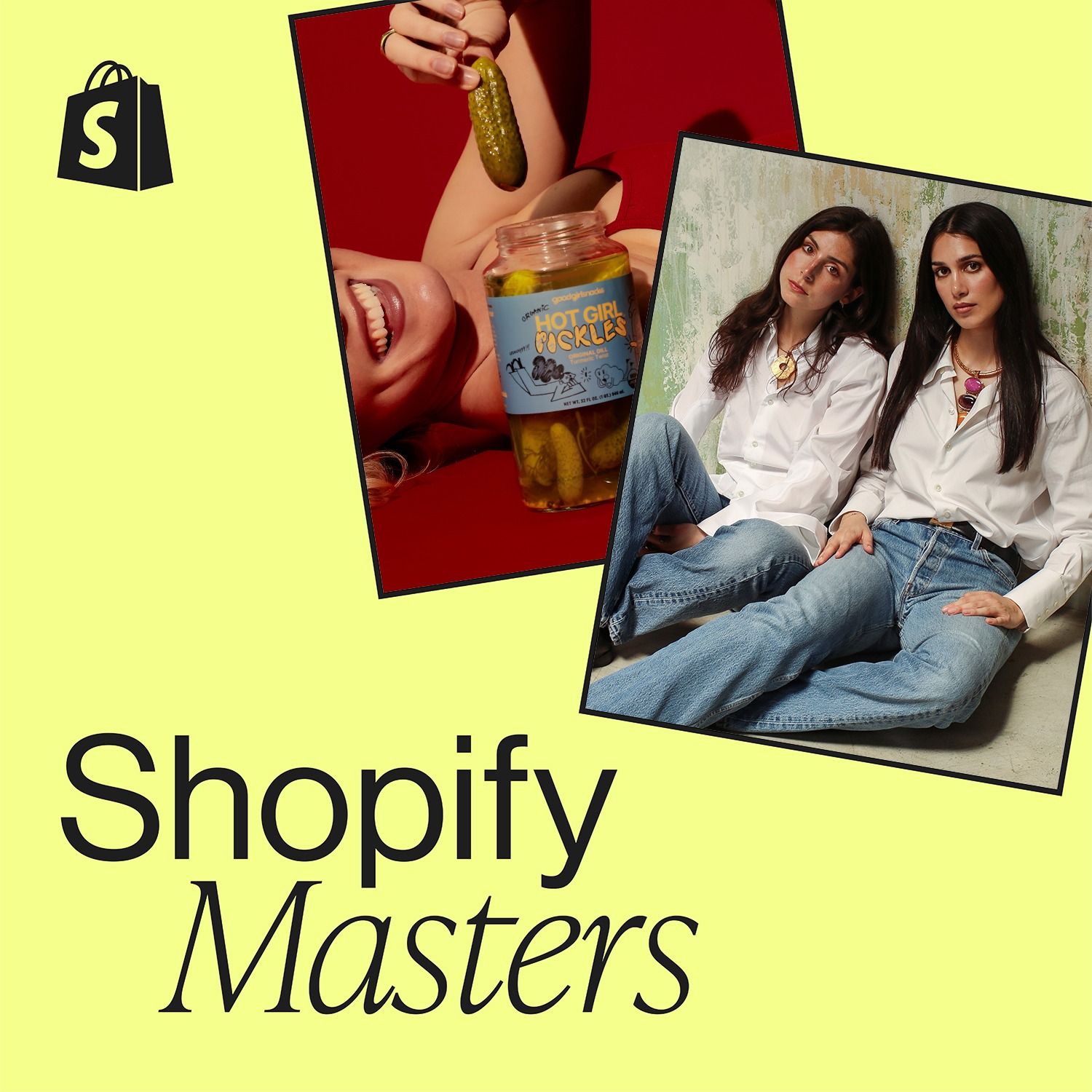
By asking their community to guess a new flavor for a chance to win a PR box, they accidentally created a massive database of customer requests. This user-generated feedback directly inspired new products like their garlic cumin pickle, hacking their R&D process.
Related Insights
Figma's expansion into multiple products (FigJam, Slides) wasn't based on abstract strategy but on observing users pushing the main design tool to its limits for unintended use cases. Identifying these 'hacks' revealed validated market needs for dedicated products.
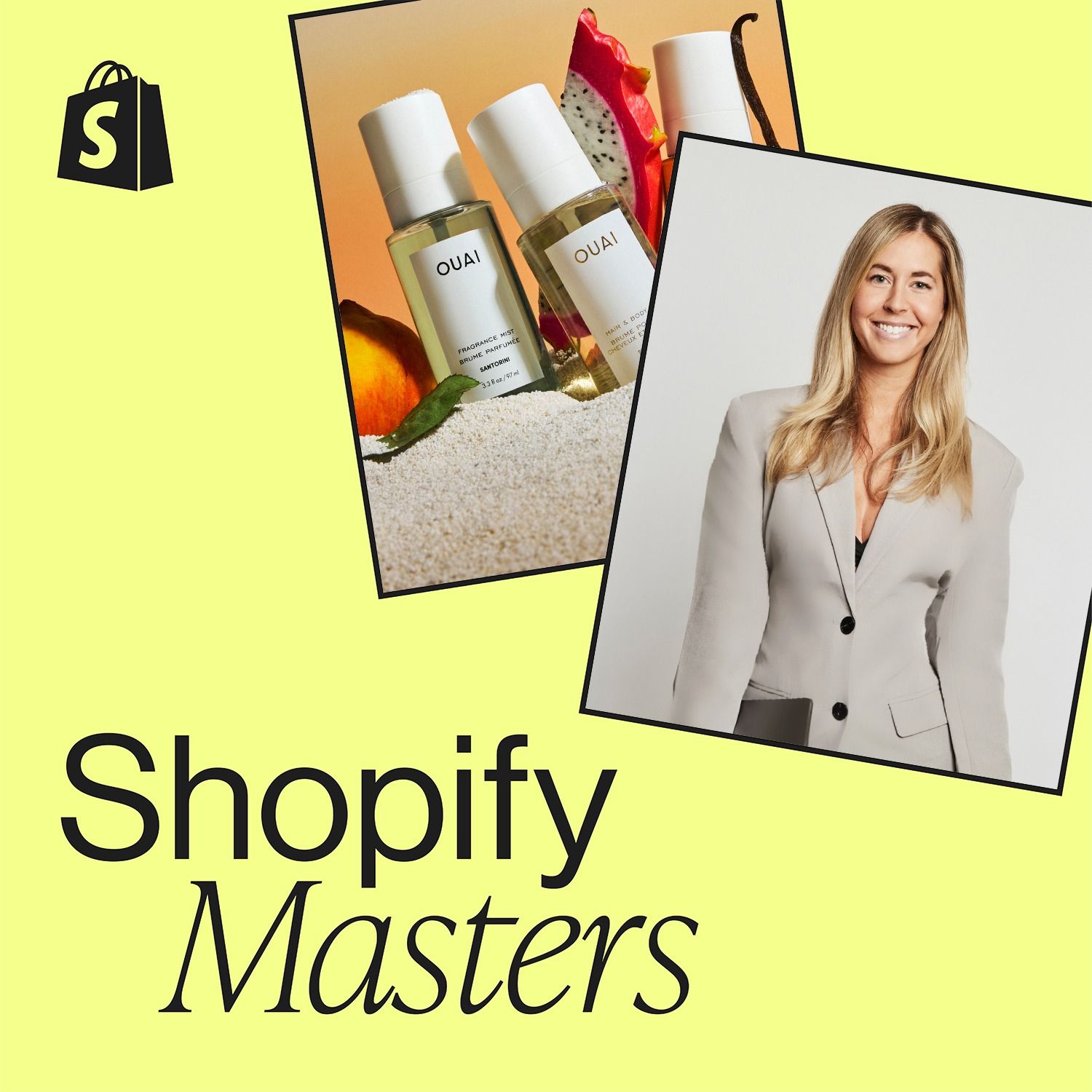
Way's top-selling product was developed and marketed entirely by leveraging community feedback. They used humorous, user-generated scent descriptions from the comments section (e.g., "smells like you got upgraded to the pineapple suite") as their official ad copy, proving the power of crowdsourced marketing.
The "candy salad," a consumer-driven trend on TikTok to combat candy inflation, was quickly adopted and productized by Ferrara (owner of Nutella) with a dedicated kit. This shows how major CPG brands now monitor social platforms to rapidly identify and capitalize on organic consumer behavior.

Instead of paying for traditional focus groups, early-stage founders can post product ideas, like packaging designs, on social media. This provides an instantaneous and free feedback loop directly from potential customers, enabling rapid, data-informed iteration before committing to costly production.
Instead of costly research and focus groups (R&D), brands like Olipop and Poppy are using "Scrolling & Development" (S&D). They monitor social media for viral trends, like the Shirley Temple's resurgence, and quickly launch their own versions, reducing risk and accelerating time-to-market.
Hedley & Bennett founder Ellen Bennett, a line cook herself, used top chefs as a real-time focus group. By asking her target audience directly what was wrong with existing products and what they needed, she gathered all the building blocks to create a superior product without formal R&D.
Instead of selling products at community events, the brand provides experiences like free coffee or drinks. This builds goodwill and creates a forum to gather direct customer feedback on future designs, effectively turning loyal fans into co-creators and product advisors.

The founders identified a mismatch between the modern, Gen Z pickle consumer on TikTok and the outdated, homogenous branding on store shelves. By targeting a neglected category with bold design and unique flavors, they faced less competition and stood out to both consumers and retail buyers.
To ensure market fit, Kōv Essentials records TikTok videos unboxing manufacturing samples and directly asks for community feedback on the design. For products the founder can't personally test, they send samples to a dedicated test group of customers, building hype and de-risking new product launches.
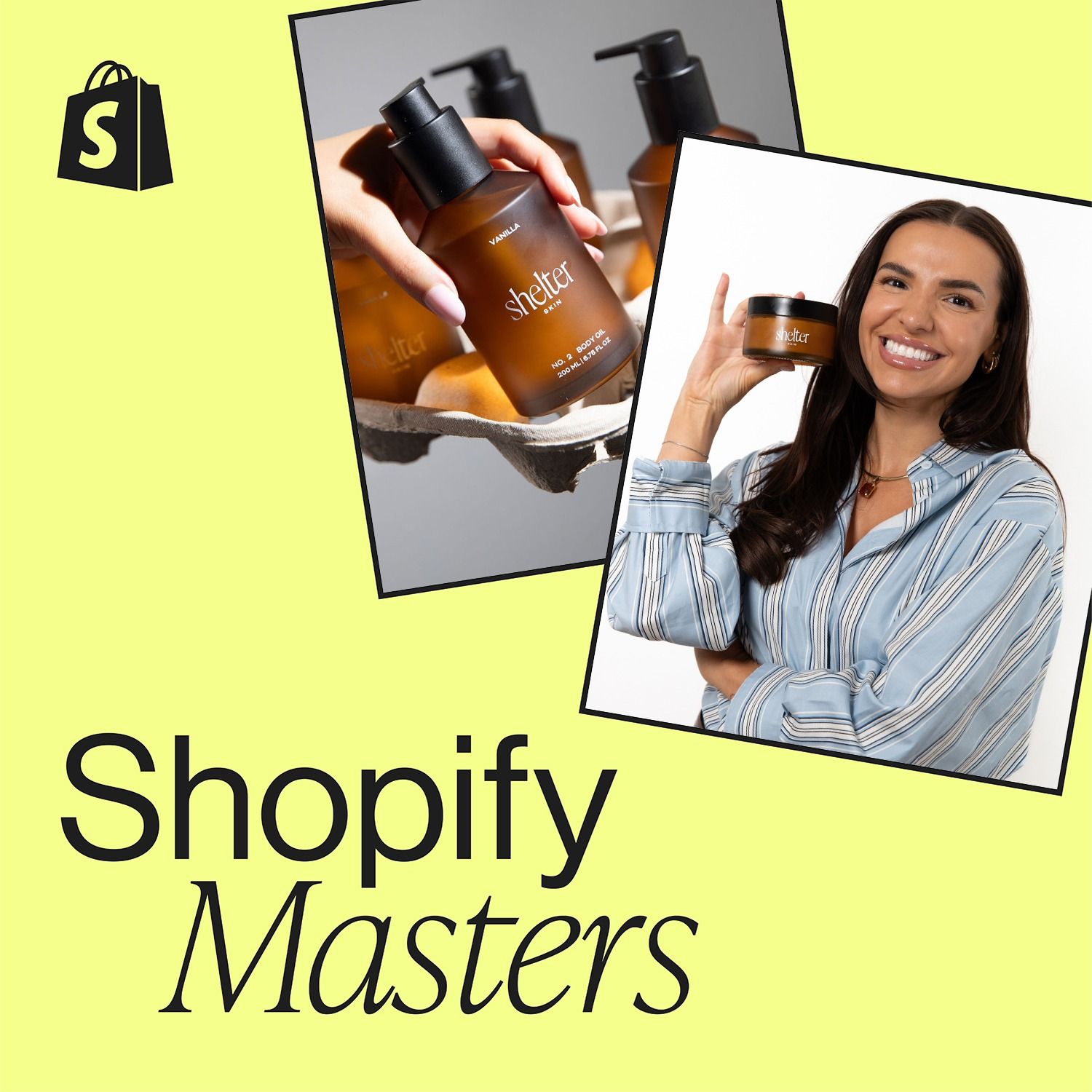
Shelter Skin's founder uses her personal Instagram following as a real-time focus group. By posting polls about packaging and product details, she gets immediate data from her ideal customers, eliminating the cost and time of traditional market research and fostering community co-creation.