Get your free personalized podcast brief
We scan new podcasts and send you the top 5 insights daily.
To convince a country to allow its illegal drone operations, Zipline framed the problem in the starkest terms: delivering life-saving blood. The argument was that if a delivery *doesn't* happen, a person will die. This created a powerful moral imperative for regulators to grant an exception.

Related Insights
Zipline initially planned to deliver all medical products. Rwanda's Minister of Health demanded they "just do blood," a product with acute logistical challenges. This customer-enforced focus on a single, high-stakes problem was critical to their initial market validation and success.

To overcome US regulations banning autonomous flight, Zipline found a life-saving use case (blood delivery) so critical that a foreign government would create a legal framework, allowing them to scale and prove their technology.
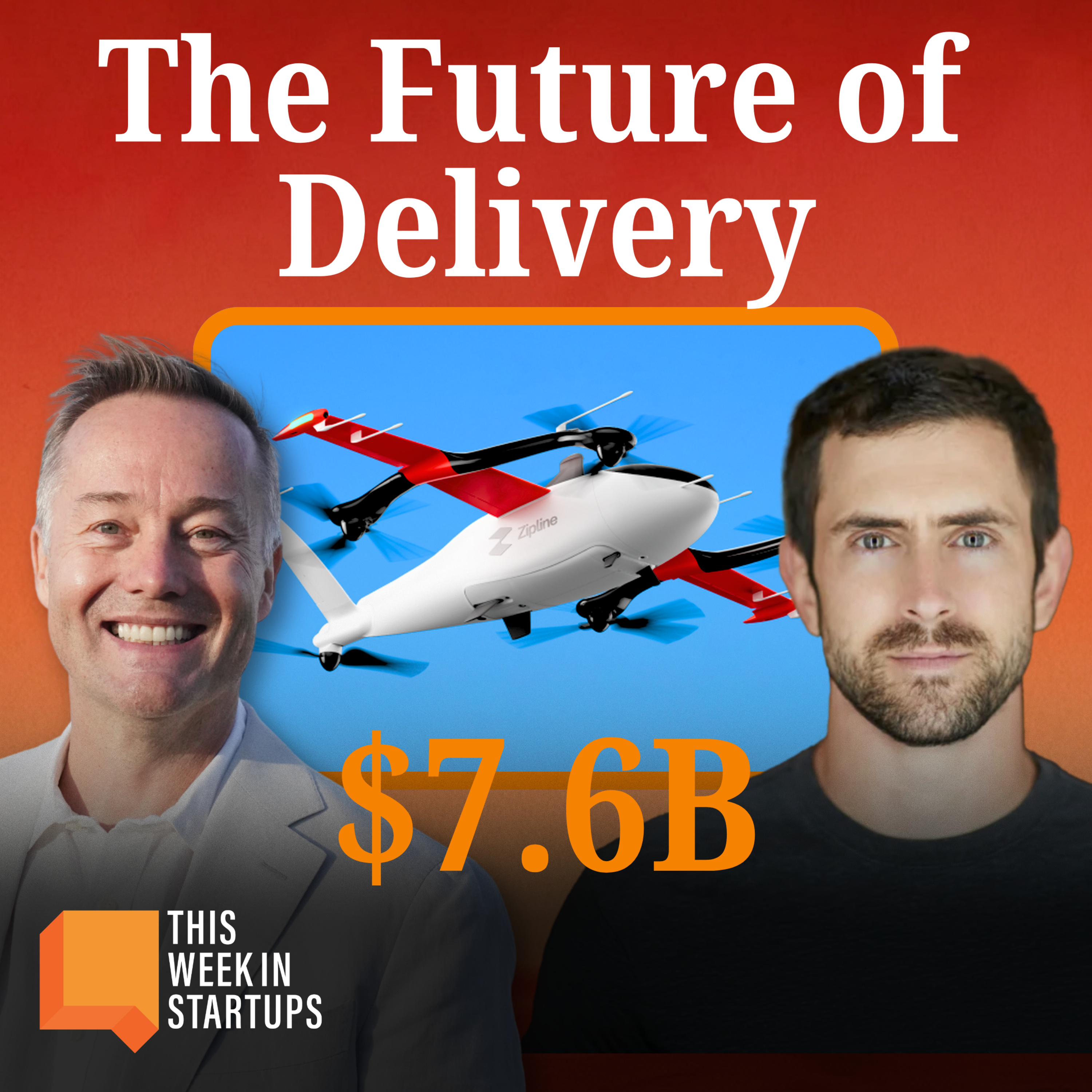
Zipline counters safety concerns by highlighting its zero-incident record over 135M miles, contrasting it with the hundreds of crashes and multiple fatalities cars would have over the same distance. This reframes drones as a safer alternative.
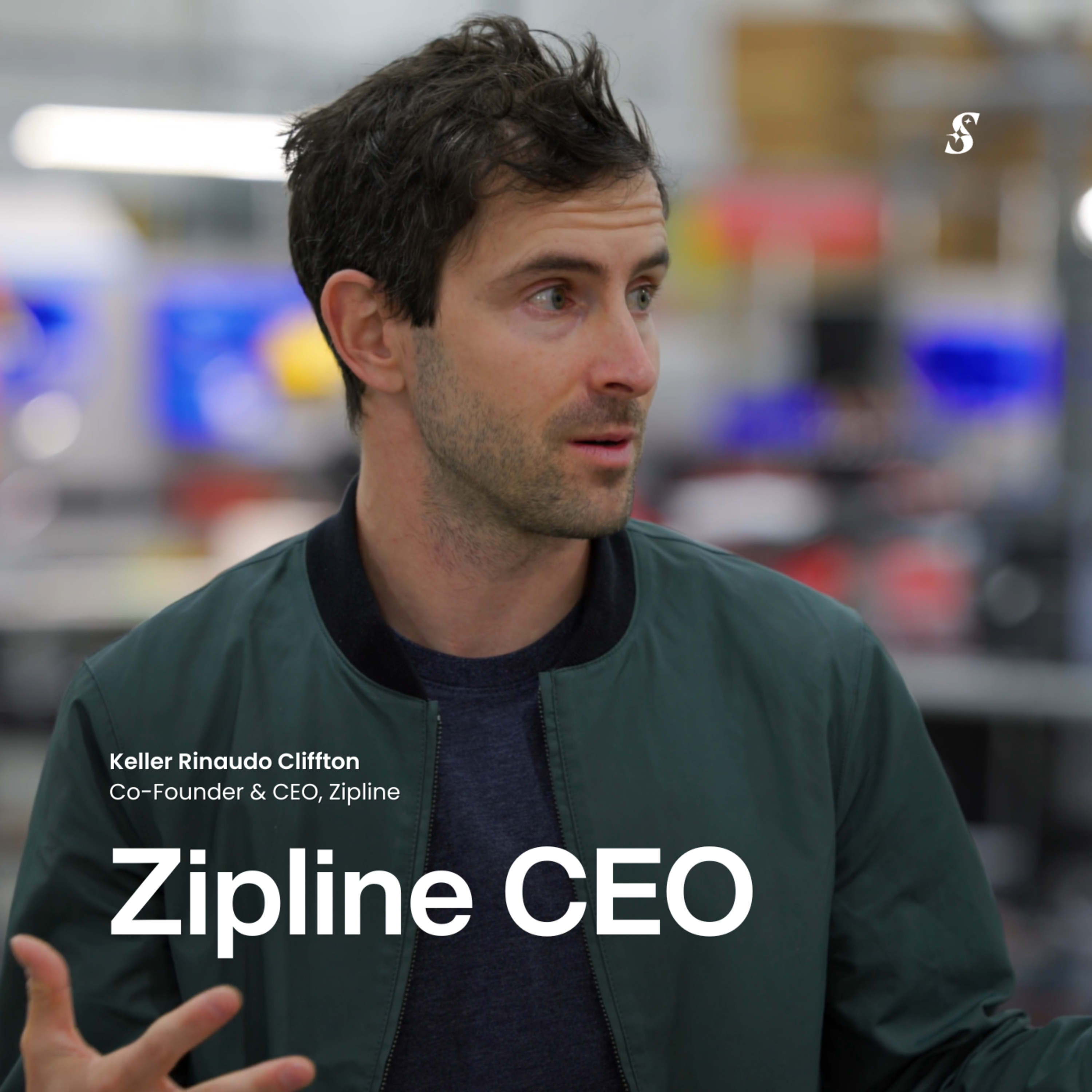
Zipline's CEO Keller Rinaudo Cliffton reveals their service's profound public health impact. By providing rapid, on-demand delivery of blood transfusions to remote hospitals, the autonomous system directly addressed a leading cause of maternal death, proving robotics can solve critical global issues.

When domestic regulations make a business model illegal, founders can launch in a more favorable foreign country. By partnering with governments there and gathering extensive operational data (e.g., 100M miles with no incidents), they can return to their home market with the credibility needed to gain regulatory approval.
Zipline's original product was a robotics platform that failed to gain traction. Their 'Capital P Pivot' was to medical drone delivery, starting in Rwanda due to US regulations. The strategy was to build a strong safety record abroad to eventually earn the right to operate in the US.

Zipline's founder admits they had almost no tactical plan at the start. The high-level vision was clear, but the path was unknown and the venture was illegal in their target market. This highlights the necessary naivety to tackle moonshot projects; a full understanding of the difficulty would be paralyzing.
Zipline abstracts away all operational complexity (FAA regulations, maintenance, flight ops) and pitches a simple, powerful outcome to partners like Walmart: an instant delivery portal installed in their wall.
Instead of seeking permission, Uber launched first to demonstrate its superior service. When regulators tried to shut them down, the company leveraged its loyal customer base to create overwhelming public and political pressure, effectively making users its most powerful lobby.

While competitors publicly blamed the FAA for delays, Zipline engaged the agency as a partner. They co-developed regulatory frameworks and flew officials to their Rwanda operation to demonstrate high safety standards. This partnership approach was key to securing critical flight approvals in the U.S.