Get your free personalized podcast brief
We scan new podcasts and send you the top 5 insights daily.
The decision to cut funding for programs like PEPFAR, which combats HIV in Africa, is strategically shortsighted. Beyond the devastating human cost, it dismantles decades of accumulated "soft power" and goodwill. This positive global brand perception is a significant, yet often overlooked, American asset that is now being squandered.

Related Insights
The U.S. departure from the World Health Organization creates a dual vulnerability. The WHO loses its largest single donor and key expertise, weakening its global operations. Simultaneously, the U.S. cuts itself off from a critical source of global outbreak intelligence, leaving the nation more susceptible to future pandemics.

The US has shifted from anchoring a liberal international order to signaling it stands for nothing beyond its own power and interests. This amoral, transactional stance has alienated democratic allies and eroded the nation's soft power on the world stage.

The traditional foreign aid model creates dependency. Zipline's success in Africa shows that developing countries are eager to be commercial partners, investing their own capital to purchase advanced technology like AI and robotics. This "trade, not aid" approach builds their economies and creates stronger alliances.
Alexander Berger argues that even by long-termist standards, "near-termist" work in global health is valuable. It builds crucial infrastructure—like policy advocacy experience, trusted grantee relationships, and feedback loops on what works—that can later be leveraged for long-termist goals like biosecurity, creating optionality and reducing risk for the overall portfolio.
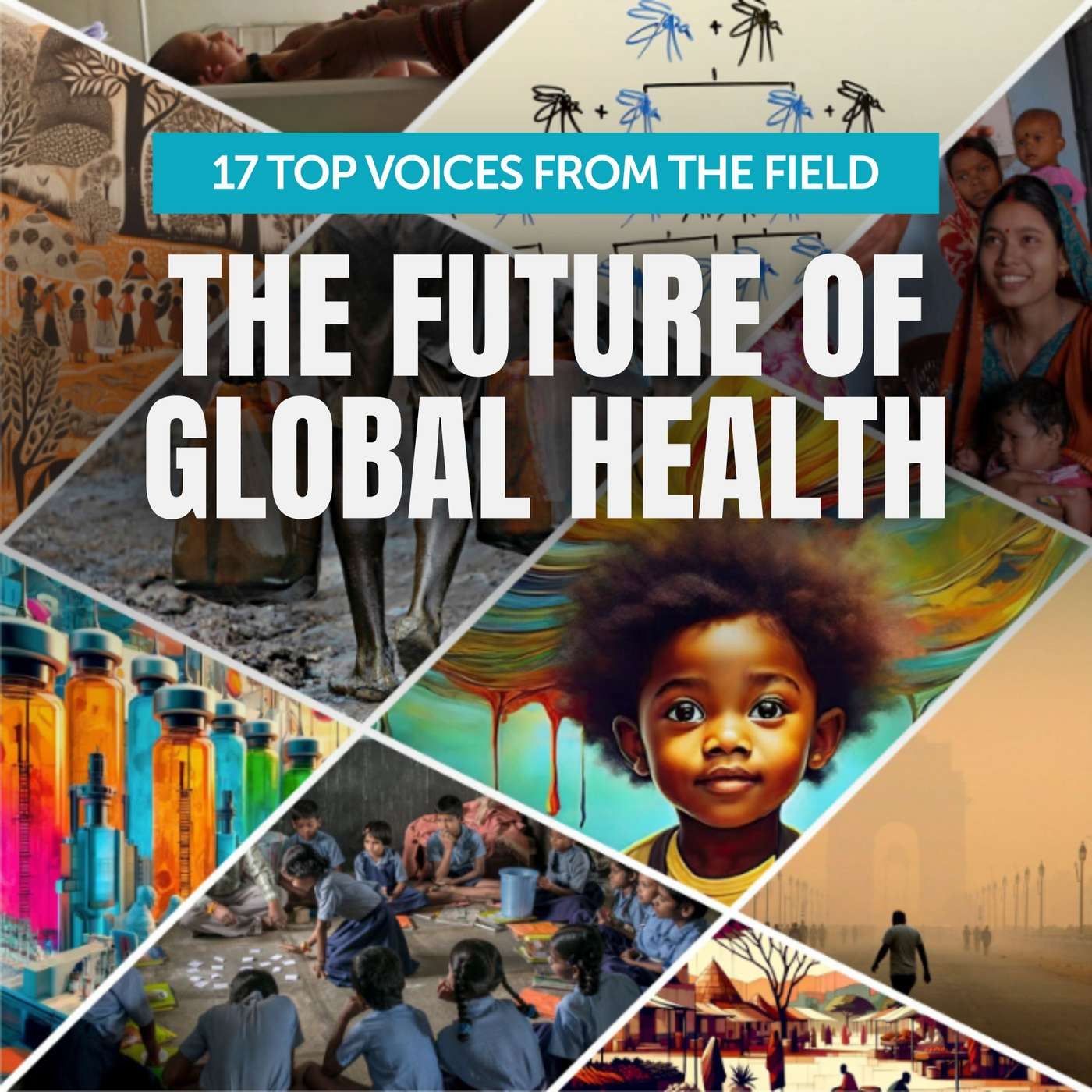
The true danger of 'predatory hegemony' is not an immediate, catastrophic failure but a gradual degradation of American power, wealth, and influence. This slow fraying of alliances and trust is harder to perceive in the short term but risks leaving the US in a permanently weakened global position over time.

An argument for foreign aid, even used by some Republicans, is that it makes a nation "stronger." This isn't about economic or military strength but moral strength—acting generously and living by the "golden rule" reflects the character of its people through its government.

Despite dismantling traditional aid programs to save taxpayer money, Trump's new strategy of bailing out allies, countering China, and securing supply chains is projected to be incredibly expensive. This new approach of weaponized aid could ultimately exceed previous USAID spending levels, contradicting its cost-saving premise.
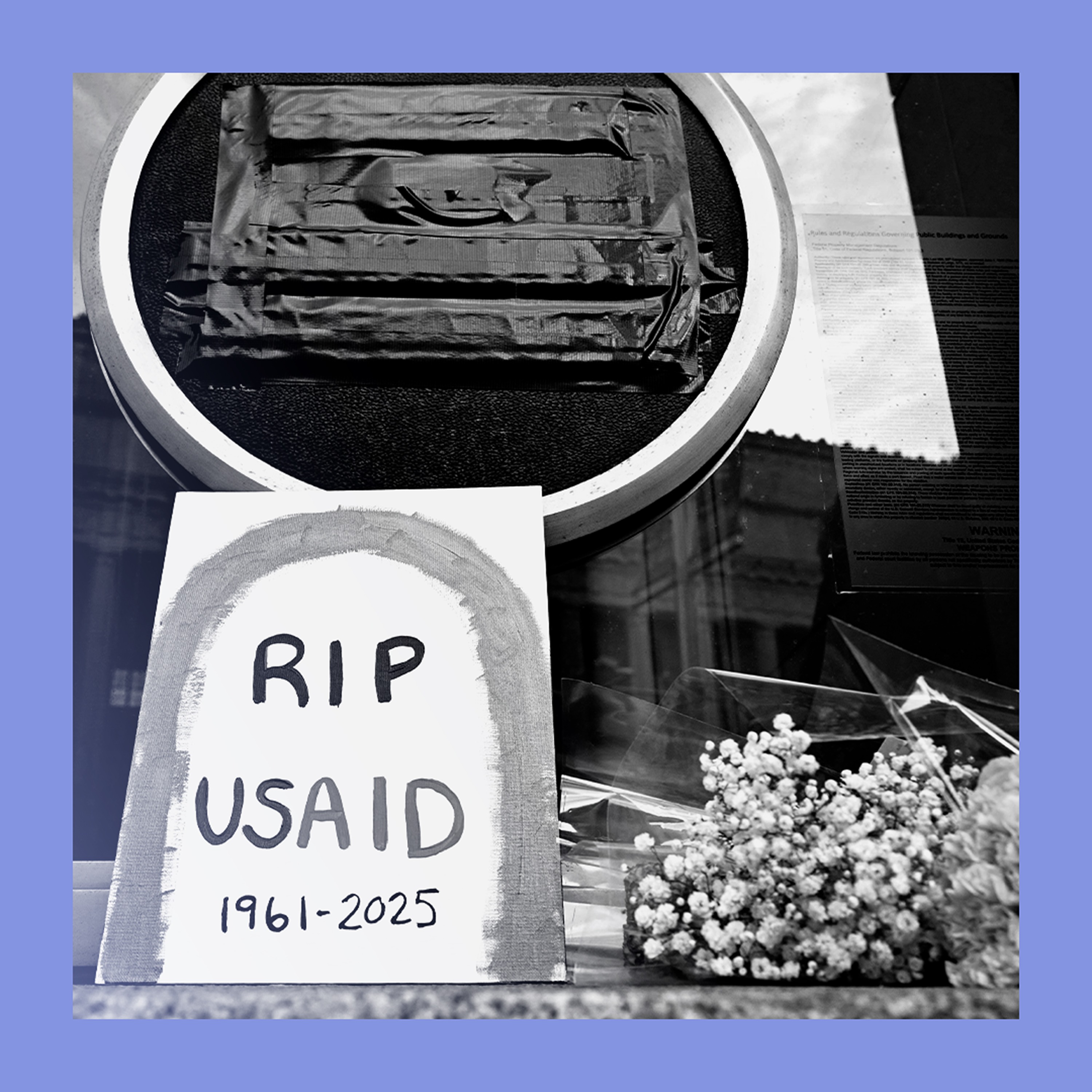
Public opposition to foreign aid is based on a massive misconception. Polls show Americans think 25% of the U.S. budget is spent on foreign aid and want it cut to 10%. The actual figure is only 0.6%, meaning their desired "cut" is still a massive increase.
A critical political challenge is convincing citizens to accept necessary domestic budget cuts while simultaneously funding international alliances. The message fails when people already feel financially strained, making fiscal responsibility and global power projection seem mutually exclusive and out of touch.

The loss of US aid didn't just defund specific projects; it dismantled an entire operational 'architecture.' The collapse of shared resources, like UN-funded logistics and transportation, created cascading failures across the sector, showing how the entire humanitarian value chain can depend on a single keystone funder.