Get your free personalized podcast brief
We scan new podcasts and send you the top 5 insights daily.
Public opposition to foreign aid is based on a massive misconception. Polls show Americans think 25% of the U.S. budget is spent on foreign aid and want it cut to 10%. The actual figure is only 0.6%, meaning their desired "cut" is still a massive increase.

Related Insights
The nearly trillion-dollar US defense budget is misleading. The vast majority is locked into fixed costs like salaries, facilities, and sustaining legacy systems. The actual procurement budget for new technology is at a historic low as a percentage of GDP, constraining modernization.

While outright fraud in government spending is low (under 1%), Buttigieg argues the real financial drain is waste from inefficiency. He points to project cost escalations and procedural roadblocks as far more significant sources of wasted taxpayer money than criminal fraud.
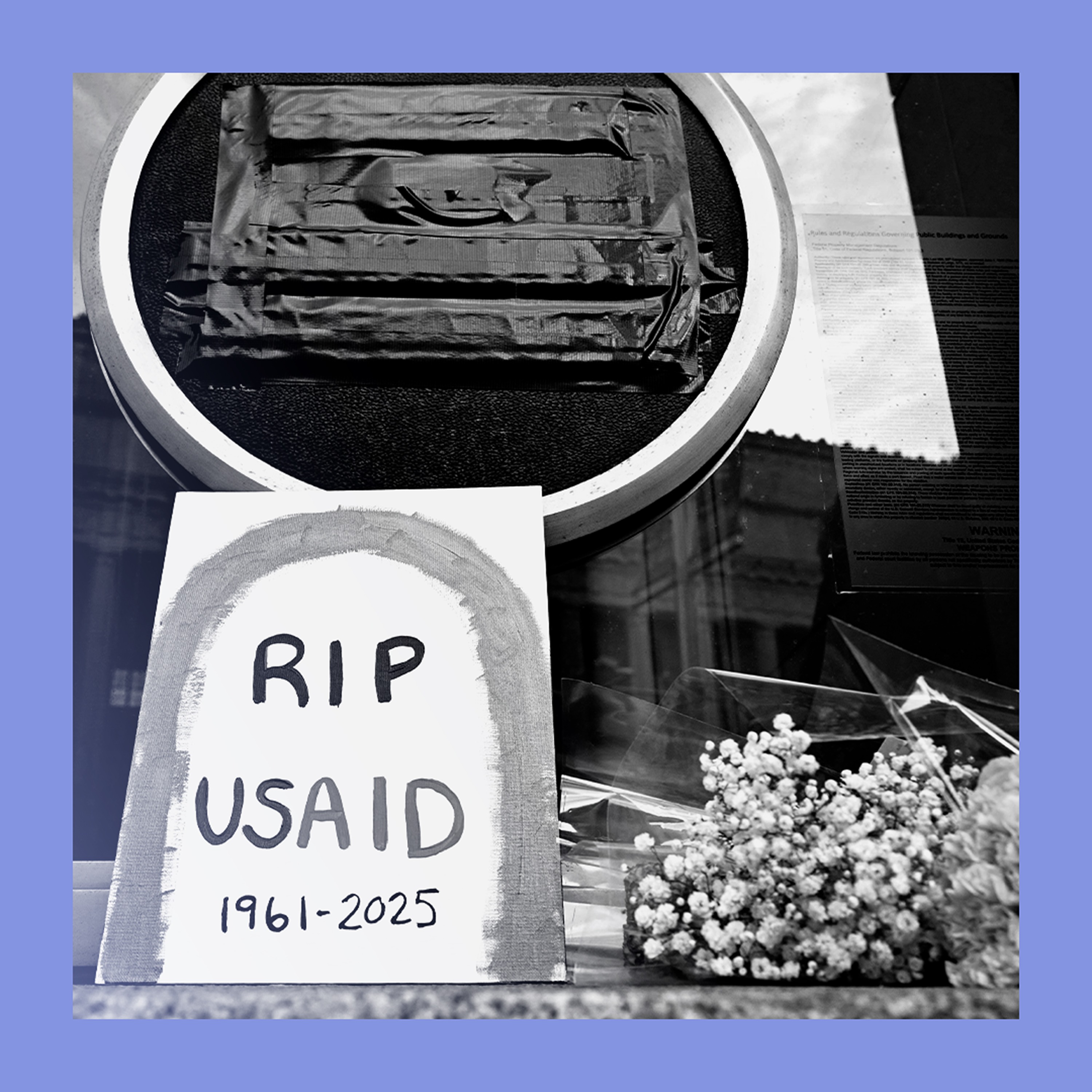
USAID functions with greater operational secrecy and fewer restrictions than the CIA. While the CIA requires a presidential finding for covert actions, USAID has no such oversight, allowing it to run operations under misleading grant descriptions, like a Cuban program disguised as Pakistani humanitarian aid.

Data shows most people, including conservatives, care about climate change but wrongly believe they are in the minority. This "pluralistic ignorance" creates a self-silencing effect, suppressing public discourse and making political action seem less viable than it actually is.

An argument for foreign aid, even used by some Republicans, is that it makes a nation "stronger." This isn't about economic or military strength but moral strength—acting generously and living by the "golden rule" reflects the character of its people through its government.
Despite dismantling traditional aid programs to save taxpayer money, Trump's new strategy of bailing out allies, countering China, and securing supply chains is projected to be incredibly expensive. This new approach of weaponized aid could ultimately exceed previous USAID spending levels, contradicting its cost-saving premise.
Government-administered aid programs are often highly inefficient, with significant overhead costs meaning only "cents on the dollar" reach the intended recipients. A more effective solution is to provide direct cash transfers or vouchers, empowering individuals to spend the money within the existing private market.

An aid agency's budget is dwarfed by a host country's ministry spending. Therefore, instead of running parallel programs, the most impactful approach is "system strengthening": working directly with local government to integrate evidence and optimize how they allocate their own, much larger, budgets.
A critical political challenge is convincing citizens to accept necessary domestic budget cuts while simultaneously funding international alliances. The message fails when people already feel financially strained, making fiscal responsibility and global power projection seem mutually exclusive and out of touch.

The perception of the defense budget as a massive fund for new technology is incorrect. More than half is allocated to fixed costs like personnel, facilities, and maintaining old equipment. The actual procurement budget for new systems is historically low as a percentage of GDP.