Get your free personalized podcast brief
We scan new podcasts and send you the top 5 insights daily.
The U.S. departure from the World Health Organization creates a dual vulnerability. The WHO loses its largest single donor and key expertise, weakening its global operations. Simultaneously, the U.S. cuts itself off from a critical source of global outbreak intelligence, leaving the nation more susceptible to future pandemics.

Related Insights
The United States' greatest strategic advantage over competitors like China is its vast ecosystem of over 50 wealthy, advanced, allied nations. China has only one treaty ally: North Korea. Weakening these alliances through punitive actions is a critical foreign policy error that erodes America's primary source of global strength.

The market is currently ignoring the long-term impact of deep cuts to research funding at agencies like the NIH. While effects aren't immediate, this erosion of foundational academic science—the "proving ground" for new discoveries—poses a significant downstream risk to the entire biotech and pharma innovation pipeline.

The CDC's recent decision to remove six pediatric vaccines from its recommended list without input from its advisory committee (ACIP) signals a potential shift in public health governance. This move may sideline traditional scientific bodies, creating a vacuum that other groups, like the American Pediatric Association, are trying to fill.

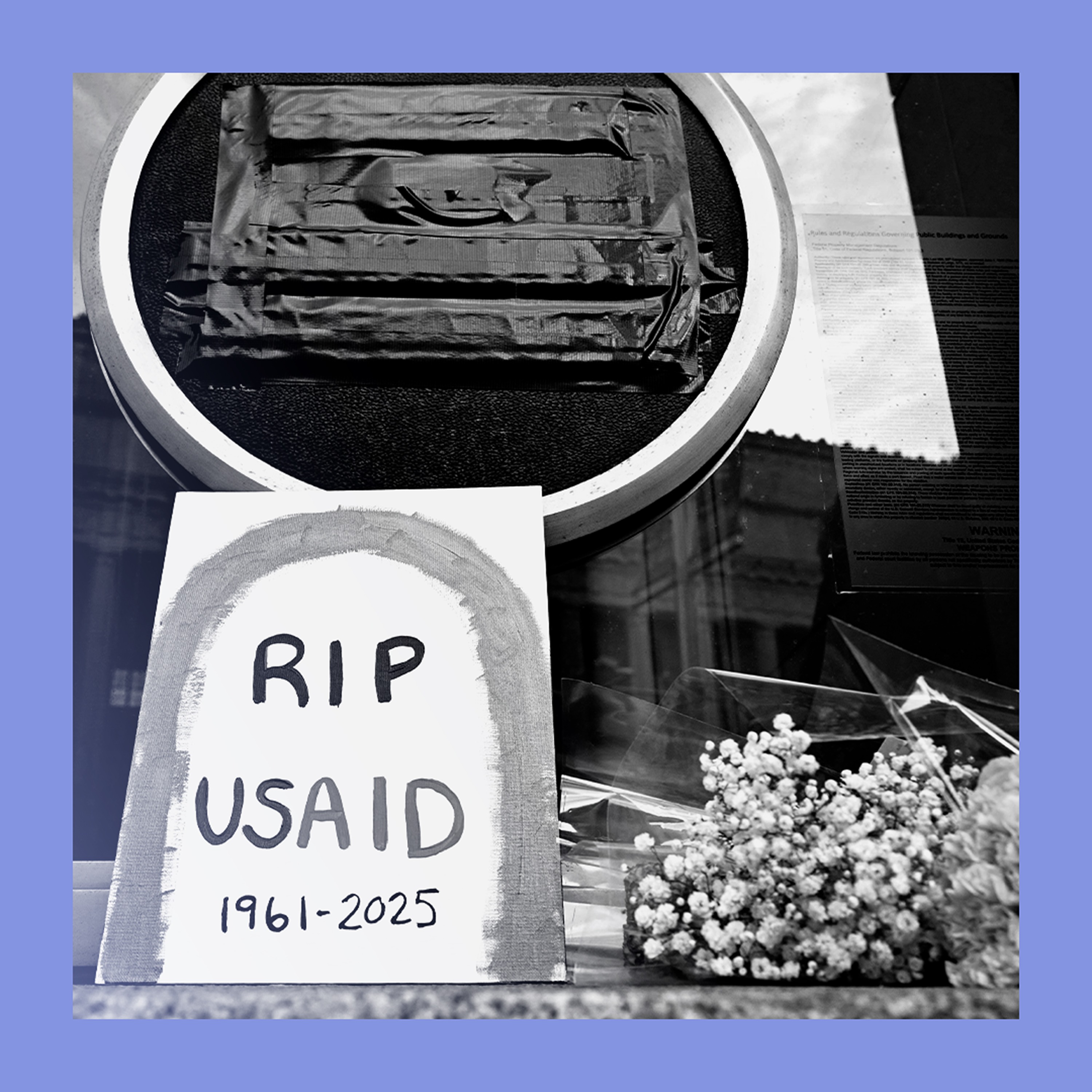
Despite dismantling traditional aid programs to save taxpayer money, Trump's new strategy of bailing out allies, countering China, and securing supply chains is projected to be incredibly expensive. This new approach of weaponized aid could ultimately exceed previous USAID spending levels, contradicting its cost-saving premise.
The resignation of key figures like Peter Marks triggered a cascade of departures, leaving the FDA with a significant loss of long-term institutional knowledge. This creates uncertainty around the execution of new policies and guidance for the biopharma industry.

When a public health intervention successfully prevents a crisis, the lack of a negative outcome makes the initial action seem like an unnecessary overreaction. This paradox makes it difficult to justify and maintain funding for preventative measures whose success is invisible.

A major obstacle to securing U.S. supply chains is a deliberate lack of data. The government has avoided mandating data collection on critical dependencies, like pharmaceutical ingredients from China, out of deference to industry. This prevents policymakers from even understanding the extent of their vulnerabilities.
The loss of US aid didn't just defund specific projects; it dismantled an entire operational 'architecture.' The collapse of shared resources, like UN-funded logistics and transportation, created cascading failures across the sector, showing how the entire humanitarian value chain can depend on a single keystone funder.
The industry's negative perception of FDA leadership and regulatory inconsistency is having tangible consequences beyond investment chilling. Respondents report actively moving clinical trials outside the U.S. and abandoning vaccine programs. This self-inflicted wound directly weakens America's biotech ecosystem at the precise moment its race with China is intensifying.

The CDC's function isn't to create policy mandates but to provide scientific outcomes to policymakers (e.g., "If everyone wears masks, COVID spread will decrease"). This distinction leaves value-based policy decisions to elected leaders, preserving the agency's scientific objectivity.