Get your free personalized podcast brief
We scan new podcasts and send you the top 5 insights daily.
The loss of US aid didn't just defund specific projects; it dismantled an entire operational 'architecture.' The collapse of shared resources, like UN-funded logistics and transportation, created cascading failures across the sector, showing how the entire humanitarian value chain can depend on a single keystone funder.
Related Insights
A critical, non-obvious consequence of a shutdown is the suspension of the National Flood Insurance Program. Because this insurance is mandatory for many mortgages, the inability to issue new policies directly stalls approximately 1,300 home sales each day, creating a significant bottleneck in the real estate market.

While furloughed federal employees are typically guaranteed back pay after a shutdown, government contractors are often not. These individuals, who perform similar work without the same protections, face a permanent loss of income, highlighting a significant and often overlooked inequity in how shutdown risks are distributed.
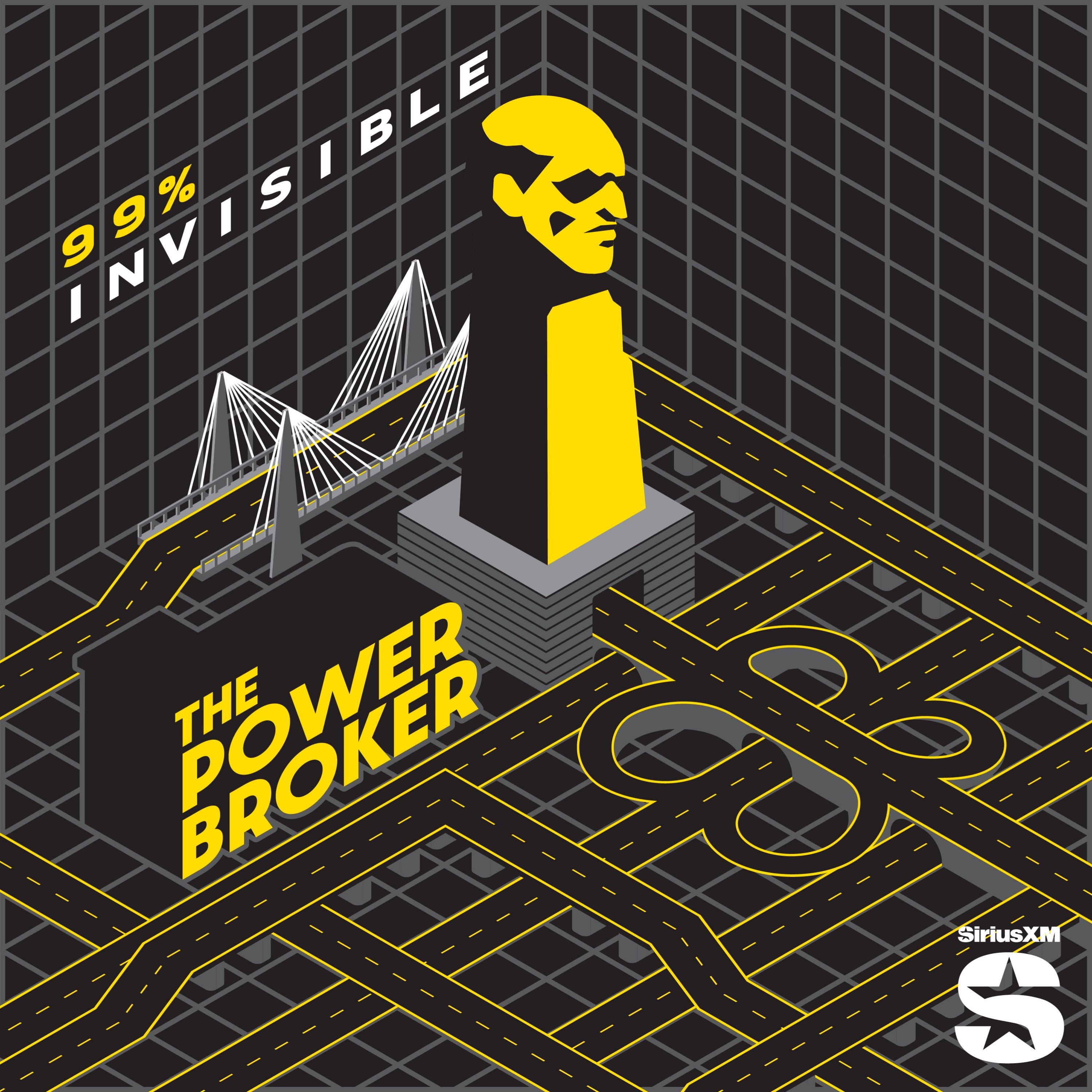
Moses pioneered using independent authorities to issue bonds for infrastructure, sequestering revenue streams like tolls away from the city's general fund. This model starved public transit and other services, creating a structural vulnerability that contributed significantly to the 1970s fiscal crisis long after he was gone.
A government shutdown has a hidden economic impact: it halts the National Flood Insurance Program. Because private insurers avoid this high-risk market, homeowners in flood zones cannot get new or renewed policies, freezing an estimated 1,400 mortgage-dependent home sales every day the shutdown continues.

Treat government programs as experiments. Define success metrics upfront and set a firm deadline. If the program fails to achieve its stated goals by that date, it should be automatically disbanded rather than being given more funding. This enforces accountability.

Unlike most countries that fund legislation upon passing it, the U.S. Congress passes laws first and separately debates funding later. This fundamental disconnect between approving work and approving payment is a structural flaw that repeatedly manufactures fiscal crises and government shutdowns.
The city wasn't simply bad at accounting; it effectively had no centralized system. Finances were tracked on scraps of paper and in drawers, making it impossible to know the true state of its debt. This systemic failure, not just policy choices, made the collapse inevitable.
A critical flaw in philanthropy is the donor's need for control, which manifests as funding specific, personal projects instead of providing unrestricted capital to build lasting institutions. Lasting impact comes from empowering capable organizations, not from micromanaging project-based grants.
Jada McKenna debunks the myth that billionaires or foundations can replace large-scale government funding. She explains that while helpful, private donors rightfully see systemic support as a government responsibility and are unwilling to fill massive, structural funding gaps themselves, sticking instead to their own strategies.
Unlike traditional UN agencies, Gavi operates as a public-private alliance. Its key innovation is not just fundraising but acting as a market-shaper. By guaranteeing consistent, large-scale purchases, Gavi gives private manufacturers the predictability needed to invest in capacity, ultimately lowering costs and ensuring supply security.
