Get your free personalized podcast brief
We scan new podcasts and send you the top 5 insights daily.
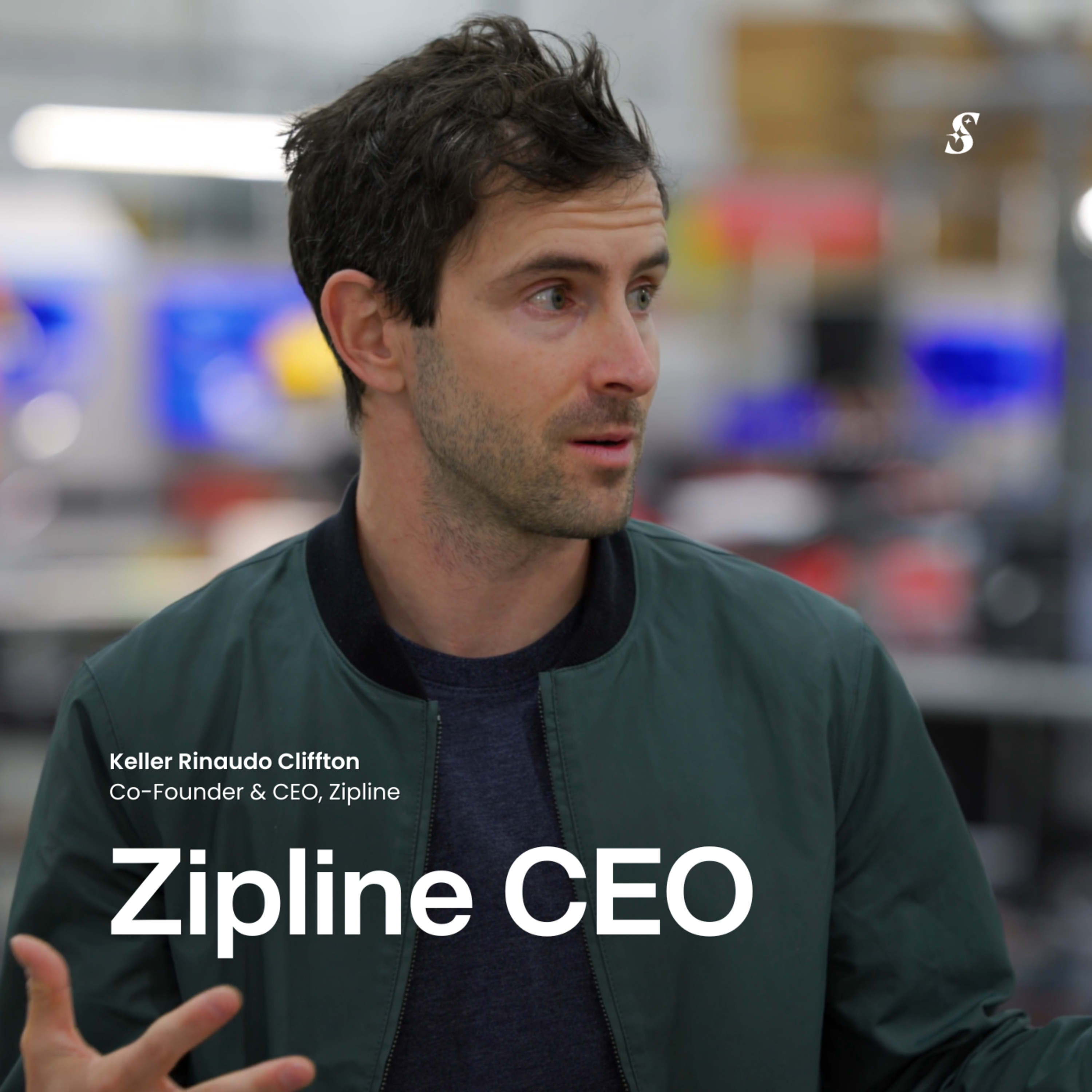
The traditional foreign aid model creates dependency. Zipline's success in Africa shows that developing countries are eager to be commercial partners, investing their own capital to purchase advanced technology like AI and robotics. This "trade, not aid" approach builds their economies and creates stronger alliances.
Related Insights
The pro-export argument for selling NVIDIA chips to China is strategic: flooding their market with good-enough, affordable chips makes it uneconomical for their domestic industry to compete. This fosters dependency on the U.S. ecosystem and can slow their independent technological progress.

The strategy of selling advanced tech to rivals like China to create dependency is flawed. The example of Tesla in China, which arguably gave BYD a 'paid education' in EV manufacturing, shows this approach can backfire. Instead of addiction, it can accelerate a competitor's ability to learn, iterate, and ultimately leapfrog the original innovator.

CEO Keller Rinaudo Cliffton explains that developing nations can be superior markets for launching disruptive tech. Rwanda's regulatory agility and hunger to adopt new paradigms allowed Zipline to deploy and prove its technology faster than would have been possible in the U.S.

The U.S. industrial strategy isn't pure "reshoring" but "friend-shoring." The goal is to build a global supply chain that excludes China, not to bring all production home. This creates massive investment opportunities in allied countries like Mexico, Vietnam, Korea, and Japan, which are beneficiaries of this geopolitical realignment.

For founders in emerging markets like Africa, the most valuable asset from a community is not capital but access to good product judgment, taste, and peers. This cultivates the ability to create globally meaningful products where established tech ecosystems don't exist.

UAE Minister Omar Al Olama argues that AI can level the playing field for smaller countries. By dramatically boosting productivity and intelligence, nations with smaller populations can achieve an impact and economic output disproportionate to their size, earning them a seat at the global table.

Government-administered aid programs are often highly inefficient, with significant overhead costs meaning only "cents on the dollar" reach the intended recipients. A more effective solution is to provide direct cash transfers or vouchers, empowering individuals to spend the money within the existing private market.

According to Terra Industries' founder, defense contracting in Africa is network-based and solution-first, not bureaucratic. This gives startups an edge over incumbents. Success comes from building a working product and conducting live field demos, bypassing the lengthy proposal processes common in the West.

For Chinese policymakers, AI is more than a productivity tool; it represents a crucial opportunity to escape the middle-income trap. They are betting that leadership in AI can fuel the innovation needed to transition from a labor-intensive economy to a developed one, avoiding the stagnation that has plagued other emerging markets.

An aid agency's budget is dwarfed by a host country's ministry spending. Therefore, instead of running parallel programs, the most impactful approach is "system strengthening": working directly with local government to integrate evidence and optimize how they allocate their own, much larger, budgets.
